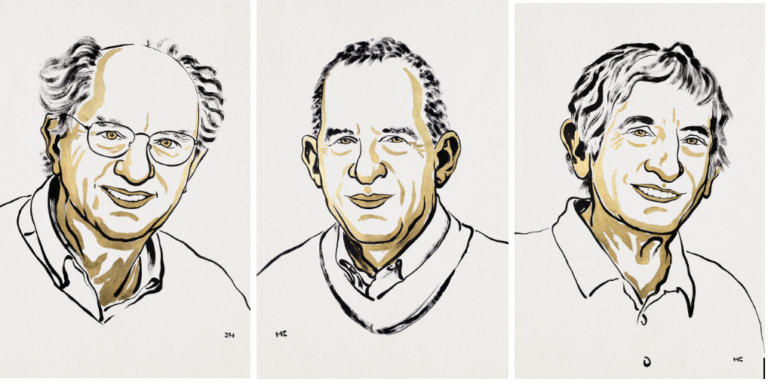
THE CRISPR patent fight appears to be over, at least for the moment. A ruling by the U.S. Patent Trial and Appeal Board found no “interference” in patents awarded to Feng Zhang at the Broad Institute of MIT and Harvard.
The Washington Post on Feb 15 reported that the loser, pending appeals, is the University of California, and the much-heralded biochemist Jennifer Doudna, who, along with Emmanuelle Charpentier, in 2012 published a groundbreaking paper showing how to exploit a natural bacterial gene-editing system known as CRISPR.[ihc-hide-content ihc_mb_type=”show” ihc_mb_who=”2,3,5″ ihc_mb_template=”1″ ]
According to the news report, the patent office determined that Zhang’s later innovations, which used CRISPR to edit mammalian cells, were not simply elaborations of what Doudna and Charpentier had already discovered.
In a teleconference with reporters, Doudna did not sound deterred by the ruling, saying she will press forward with her own patent application based on the earlier work, the newspaper reported.
“Our patent will likely be issued,” The Washington Post quoted her as saying.
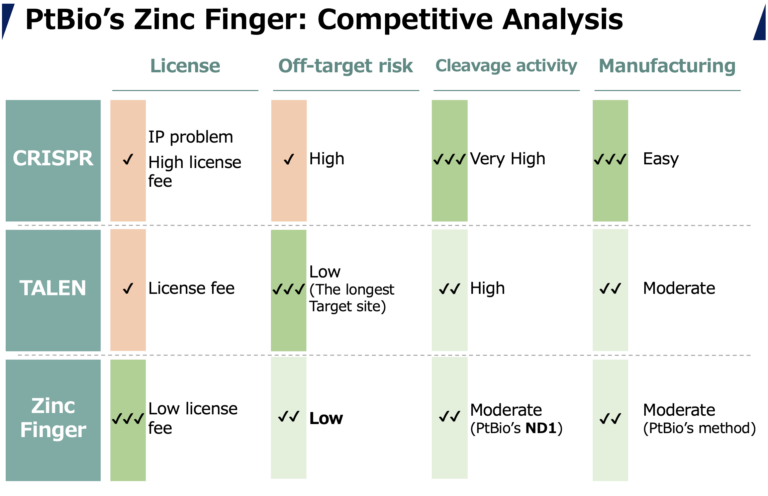
She told The Washington Post, she explained that her patent would cover the use of CRISPR in all cells, while the Zhang patent would more narrowly cover applications of CRISPR in plant and animal (“eukaryotic”) cells.
In an unusual analogy she told The Washington Post: “They will have a patent on green tennis balls. We will get a patent on all tennis balls.”
According to the newspaper, such a situation could potentially make attractive some kind of settlement between the institutions and the inventors to distribute the money from CRISPR licenses.
Meanwhile, The University of California at Berkeley issued a statement saying that it is considering an appeal, according to The Washington Post report.
“We continue to maintain that the evidence overwhelmingly supports our position that the Doudna/Charpentier team was the first group to invent this technology for use in all settings and all cell types, and was the first to publish and file patent applications directed toward that invention, and that the Broad Institute’s patents directed toward use of the CRISPR-Cas9 system in particular cell types are not patentably distinct from the Doudna/Charpentier invention,” the statement read.
“For that reason, UC will carefully consider all options for possible next steps in this legal process, including the possibility of an appeal of the PTAB’s decision,” the statement added.two collaborative partners.
[/ihc-hide-content]