A Dying Symphony: Insects Vanishing Even in Protected Forests
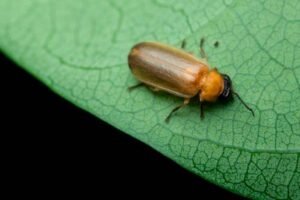
Ecologists are raising alarm bells as nearly half the tree of life could vanish within a few decades due to accelerating planetary warming, The Guardian reported. One of those voices is Daniel Janzen, a veteran ecologist who has spent decades studying Costa Rica’s lush rainforests. In the 1970s, he recalls, the night forest at Guanacaste would erupt with life. Moths swarmed in their tens of thousands. When he set up a light trap—a tool used to study nocturnal insects—some 3,000 species turned up in a single night, it was that moment, he says, that sealed his life’s work: to study the often unseen world of insects. Today, those same forests have fallen eerily silent. Janzen now sets up his light traps only to find a few scattered moths—if any at all. And this isn’t due to pesticides. Even within pristine conservation areas, insect populations are collapsing. The Guardian described the scene with chilling accuracy: “Not a forest, but a museum.”
If insects are the orchestra of the natural world, then the music is fading—and soon, the stage may be empty.