
Why do crab walk sideways?

Reading Time: < 1 minuteSTRANGELY enough, there is absolutely nothing wrong with crabs moving sideways. In fact, crabs walk sideways for the same reason humans walk forward! Crabs have their legs situated underneath their bodies, with their knees bending outward. Intrinsically, crabs walk sideways because their legs are positioned in such a way. If crabs were to walk forward […]
Why do snakes shed their skin?
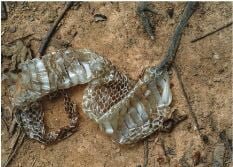
Reading Time: < 1 minuteALL animals shed their skin. It isn’t obvious in mammals such as humans as it is an on-going process that occurs throughout one’s lifetime in which dead cells are constantly discarded. Skin shedding is unique among reptiles as it occurs periodically. In the case of snakes, they shed a layer of skin in one continuous […]
UPM don gets special recognition from Mauritius PM
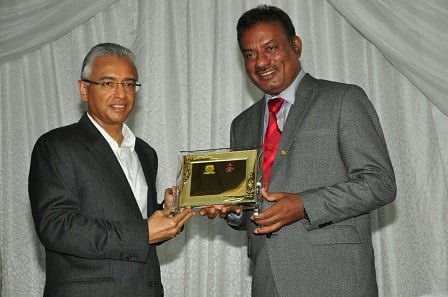
Reading Time: < 1 minutePORT LOUIS (Mauritius): Universiti Putra Malaysia Lecturer, Associate Professor Dr Paramasivam Muthusamy, received a Special Certificate of Recognition from Mauritius Prime Minister, Pravind Kumar Jugnauth during Mauritius Tamil League’ 80th Anniversary recently. The event saw the presence of some 800 guests, including Mauritius Deputy President, Ministers, VIPs, Mauritius non-governmental Organisations (NGOs), lecturers, donors and members of […]
UKM, first public university to collaborate with Blackmores
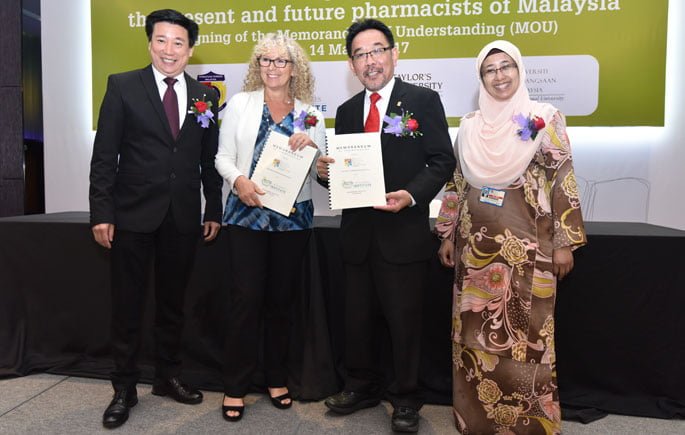
Reading Time: 2 minutesBANGI:Universiti Kebangsaan Malaysia (UKM) is the first Malaysian public university to establish a collaboration with Blackmores Institute in an initiative to create public awareness about the benefits of complementary medicine. Blackmores Institute Director, Assoc Prof Dr Lesly Braun said the collaboration aims to equip Malaysian pharmacist with the knowledge and understanding surrounding complimentary medicine and […]
UPM turns cooking oil into biodiesel

Reading Time: 2 minutesSERDANG: Don’t discard used cooking oil because it can still be utilised. A research by Universiti Putra Malaysia (UPM) has succeeded in turning cooking oil into biodiesel for use for heavy machinery and vehicles. Those who give used cooking oil to UPM will be paid RM1 for every 1kg of such oil. The processing of […]
Turning food waste into tires
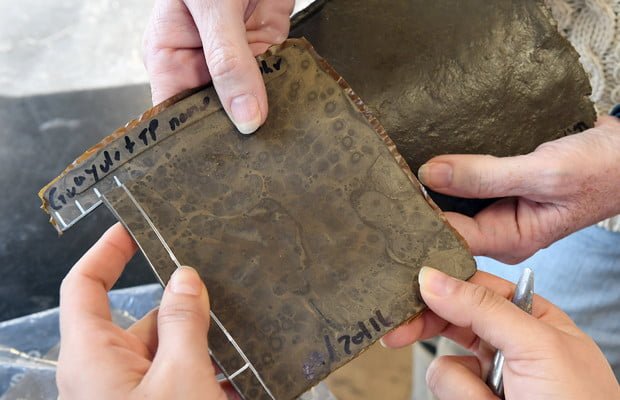
Reading Time: 2 minutesResearchers at The Ohio State University have discovered that food waste can partially replace the petroleum-based filler that has been used in manufacturing tires for more than a century. In tests, rubber made with the new fillers exceeds industrial standards for performance, which may ultimately open up new applications for rubber. As Katrina Cornish explains […]
Scientists rewarm large-scale tissues preserved at freezing temperatures
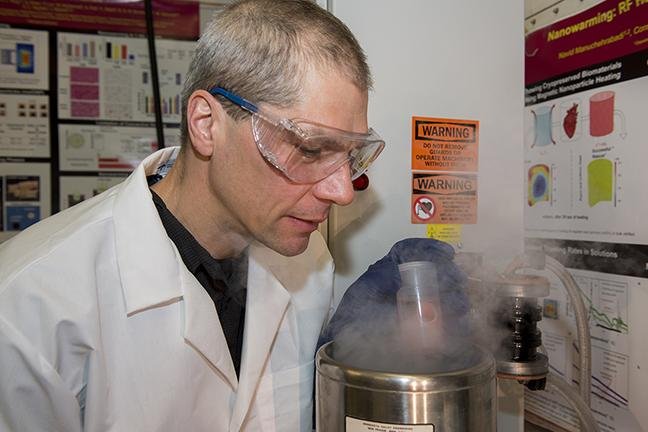
Reading Time: 2 minutesA research team led by the University of Minnesota, has discovered a groundbreaking process to successfully rewarm large-scale animal heart valves and blood vessels preserved at very low temperatures. The discovery is a major step forward in saving millions of human lives by increasing the availability of organs and tissues for transplantation through the establishment of […]
Food security looks very different depending on where you are sitting
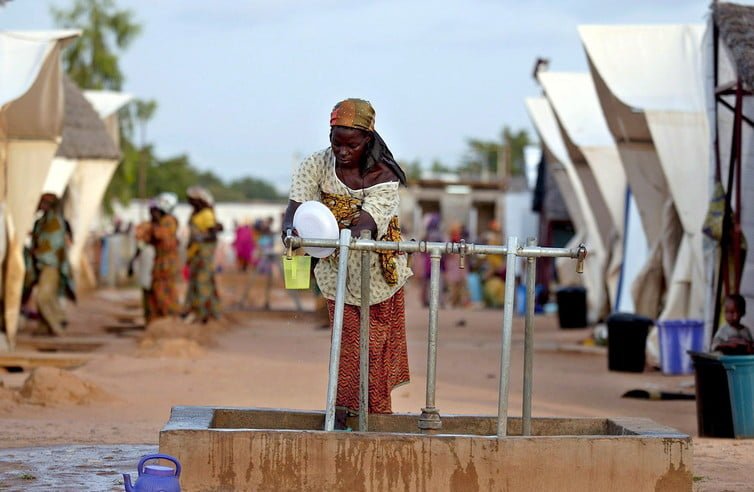
Reading Time: 5 minutesIn 1974, the World Food Conference declared that: “Every man, woman and child has the inalienable right to be free from hunger and malnutrition in order to develop their physical and mental faculties.” The conference set as its goal the eradication of hunger, food insecurity and malnutrition within a decade. Two decades later, in 1996, the […]
Gene editing for PRRSV resistance in pigs

Reading Time: 2 minutesPorcine reproductive and respiratory syndrome virus (PRRSV), a disease that reared its head in the 1980s and has been the bane of both pigs and their farmers on a global scale ever since. Most vaccines have failed to cease the spread of the virus in which it continues to evolve rapidly. In addition to causing respiratory […]
Genome sequence of polar alga explains adaptation to extreme climates
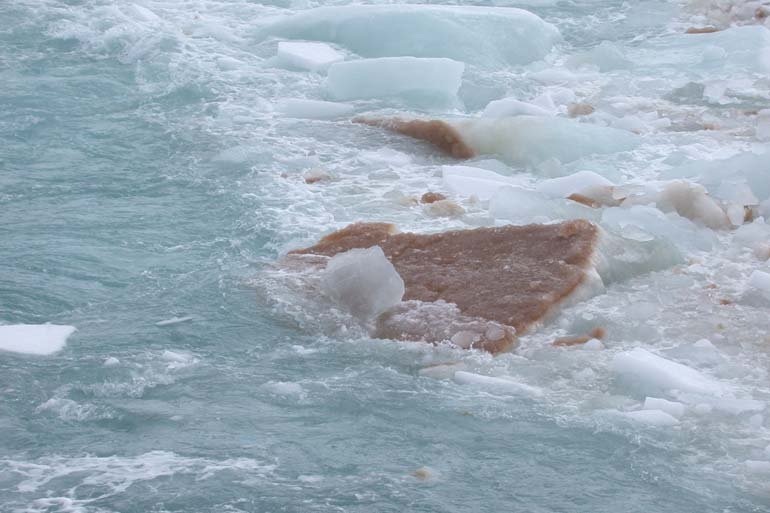
Reading Time: 2 minutesAn international team of researchers has identified the genetic mutations which allowed microalgae (phytoplankton) from the Southern Ocean to adapt to extreme and highly variable climates – a step towards understanding how polar organisms are impacted by climate change. The team led by Prof Thomas Mock from the University of East Anglia (UEA) School of […]