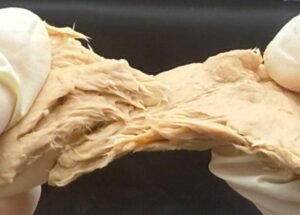
ALL animals shed their skin. It isn’t obvious in mammals such as humans as it is an on-going process that occurs throughout one’s lifetime in which dead cells are constantly discarded. Skin shedding is unique among reptiles as it occurs periodically. In the case of snakes, they shed a layer of skin in one continuous piece that resembles the act of removing a sock.
Snakes shed their skin to facilitate their continuous growth. While a snake’s body continues to grow, its skin becomes stretched and worn out similar to humans that grow out of their clothes as they get older. As the skin reaches a point where it fails to accommodate further growth, a new skin grows underneath the old one.
When this is complete, the old skin shall be discarded. Furthermore, snakes shed their skin to eliminate parasites that are potent agents of diseases.
The frequency of snakes shedding their skin greatly depends on the stages of life cycle. As younger snakes’ growth is faster in comparison to mature snakes, the younger snakes will shed more frequently than their older counterparts.