BY DATUK SERI PANGLIMA WILFRED MADIUS TANGAU
Land Below the Wind records RM165b in cumulative investment since 2008
THE Sabah Development Corridor (SDC) has just celebrated its 10th anniversary. Launched in 2008, Chief Minister Tan Sri Musa Aman announced that this project has recorded RM165 billion in cumulative investment as of January this year.
He also said that Sabah has already achieved its target for GDP and GDP per capita back in 2016 under the SDC, at RM 63.2 billion and RM 14,784 respectively.
Sabah’s GDP growth was at 4.7 per cent in 2016 compared to the national average of 4.2 per cent, in contrast with only 2.1 per cent growth in 2011 as compared to a 5.3 per cent national GDP growth.
[ihc-hide-content ihc_mb_type=”show” ihc_mb_who=”2,3″ ihc_mb_template=”1″ ]Poverty incidences have declined from a whopping 19.7 per cent in 2009 to just 2.9 per cent in 2016. SDC’s 2008 – 2025 blueprint has also actualised almost 600,000 jobs out of the targeted 900,000 by the end of its 18-year implementation.
Some of the priority investment areas for the SDC are in tourism, creativity, agro-industry, palm oil downstream activities, oil and gas, education and marine products.
Perhaps in the remaining eight years, Sabah and the country could explore great investment opportunities in the bioeconomy.
Bioeconomy
Bioeconomy refers to all economic activities that result from the commercial application of biotechnology. To evaluate this industry in the country, BioEconomy Corporation, an agency tasked to drive this field through the National Biotechnology Policy, has devised the
Bioeconomy Contribution Index, which considers five components – bioeconomy value-added, bio-based exports, invesments, employment and productivity in the industry.
A very encouraging achievement is its value-added, and has contributed RM141.8 billion to our economy or 11.5 per cent of GDP. RM18.8 billion of investments in the bioeconomy was recorded, reflecting a 11.8 per cent growth from the previous year.
Bioplastics
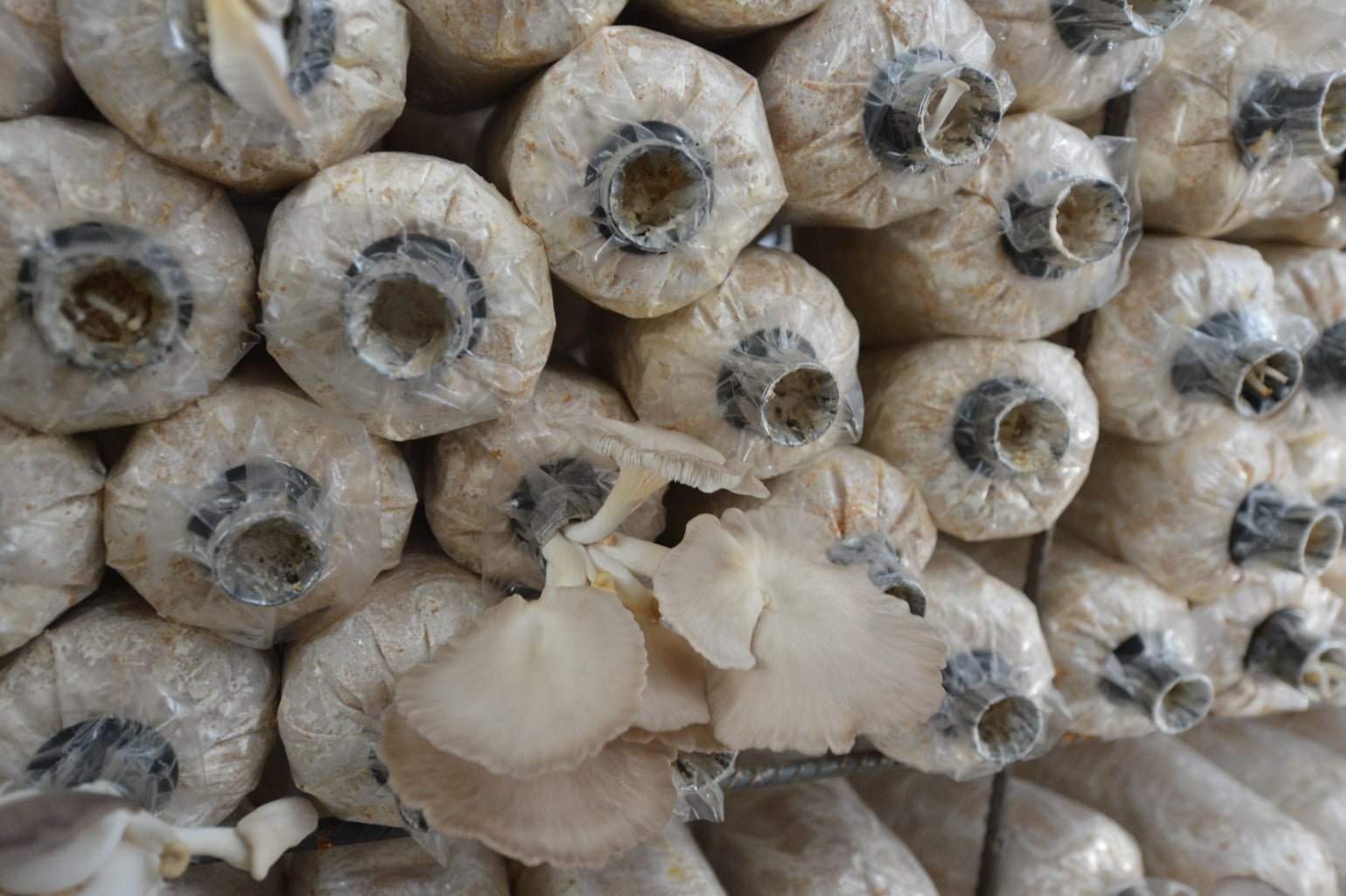
I have observed several areas of high potential bioeconomy investment areas. One promising area is the production of bioplastics. Bioplastics are bio-based materials,
meant to be environmentally sustainable by being derived from renewable biomass sources such as vegetable oil or starch, instead of fossil fuels.
Plastics usage has been increasingly setting off alarm bells due to the harm plastic wastes pose to the environment, marine lives and eventually to ourselves. At the landfill, fossil fuel plastics would release toxic chemicals to the soil as it breaks down. Bioplastics is supposed to decompose naturally and cause less harm to the environment.
Due to this concern, I have initiated an Innovators Dynamic roundtable late last year to identify how technology can help expedite the application of bioplastics.
Biomass
BioEconomy Corp is facilitating industry players to adopt bioplastics technologies to produce bio-based and biodegradable materials.
SIRIM also offers certification for environmentally-friendly products to businesses.
Under the SIRIM Eco-Labeling Certification Scheme (SIRIM ECO 001:2016 for Degradable and Compostable plastic packaging materials, and SIRIM ECO 009:2016 for Biomass based products for food-contact applications as the standard for the implementation of bioplastic and biodegradable initiatives), a number of conventional plastic companies had successfully
adopted bioplastics technologies and have their products certified.
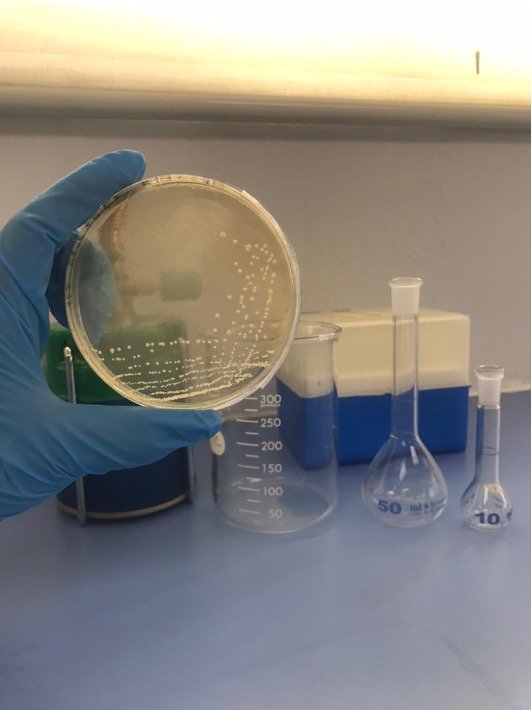
An interesting proposal I have heard of is using crude palm oil to produce polyhydroxyalkanoates (PHA). PHA is a type of polymer that would be produced when microorganisms ferment sugar or vegetable oils, in this case, palm oil. Current economic focus of the palm oil industry is in its downstream valueadd, such as oleochemicals, biofuel and transfree food products. Could its potential of producing biodegradable
plastics be even higher value-add?
Biopharmaceuticals
Another promising industry in bioeconomy is in biopharmaceuticals. One form of biopharmaceuticals is biologics, of which production active substances are from a biological
source, for example proteins. Biosimilars, on the other hand, are highly similar to their reference biologics thus avoid having to repeat clinical trials unnecessarily and used only after the biologic’s patent has expired.
The value of the global biopharmaceutical market reached approximately USD 230 billion in
2014 and is expected to grow to nearly USD 390 billion by the end of 2019. Of this biosimilars accounted for nearly USD 2 billion in 2014, and that number is predicted to
double by the end of 2019, growing at a compound annual growth rate (the mean annual growth rate of an investment over a period) of 15%. By 2020, the patents for biologic
medicines with an estimated worth of USD 81 billion are expected to expire, paving the way for the next generation of biosimilars.
Malaysia was one of the earliest countries to develop the biosimilars guideline and supports the development of the biosimilars ecosystem. However, it is still at the very nascent phase of developing its own biosimilars industry. We need to attract more global biotech companies to strengthen Malaysia’s position as a biomedical hub in the region. From the regulatory perspective, Malaysia has amended its regulatory guidelines mainly in accordance with the European Medicines Agency.
Bio-resources
Malaysia can certainly leverage and tap into the abundance of biological resources and to have a more significant share of the regional and global wellness market. With over
15,000 estimated known plant species and over 2,000 species with medicinal values, plant or herbal produce provided the starting raw materials for many perfumery, cosmeceuticals, nutraceuticals and health supplement products. With the cultivation of high value crops, for instance high value herbs and bio-aromatic plants such as lavender, rosemary, Japanese
horseradish, Goji berry, and Tongkat Ali etc, the wellness industry in Malaysia will demonstrate further growth in the coming years.
One novel discovery is our wellknown local herb Tongkat Ali or scientifically known as Eurycoma longifolia. Apart from being traditional remedy for the treatment of malaria, high blood pressure, fevers, fatigue, loss of sexual desire, and impotence, Tongkat Ali is also useful in managing stress by reducing the level of the hormone Cortisol leading to greater energy, improved mood and psychological well-being.
The global wellness industry is now a market totaling USD3.4 trillion, according to the latest figure obtained from the Global Wellness Summit Industry Statistics and Facts 2014. This is approximately 3.4 times larger than the worldwide pharmaceutical industry! The
beauty and anti-aging segment of the wellness industry was by far the largest with a market size of more than one trillion US dollars.
I believe that relevant government agencies, the industry and research institutions can do a lot more to identify the ginormous potential in the domestic bioeconomy. MOSTI through BioEconomy Corp will provide the policy direction, infrastructure development and
industry support through fiscal and non-fiscal incentives to entice more investments in the bioeconomy. We highly welcome collaboration with state governments such as through
the Sabah Development Corridor.
MOSTI through BioEconomy Corp will provide the policy direction, infrastructure development and industry support through fiscal and nonfiscal incentives to entice more
investments in the bioeconomy.