WILL oil palm plantations be a thing of the past? Will the global demand for palm oil be met by oil and its derivatives grown in laboratory bioreactors?
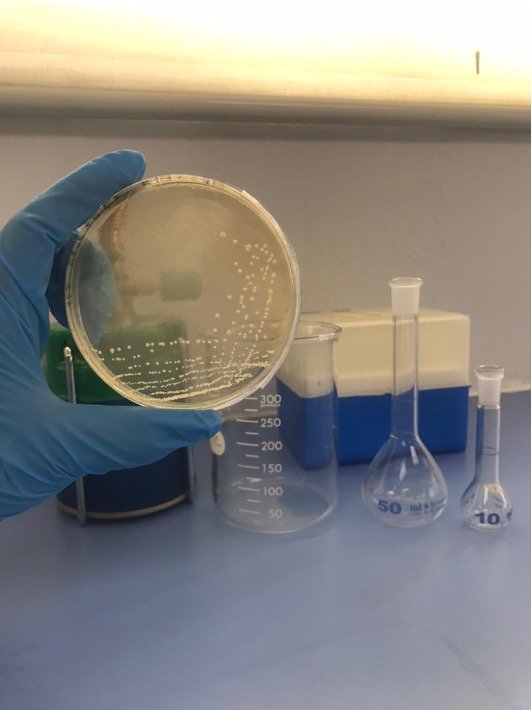
This looks like what the future will take us to. There are already start-ups embracing synthetic biology where microbes will convert food waste and industrial by-products into synthetic palm oil.
As the global palm oil market reaches almost USD93 billion in 2021, this sounds like a sustainable alternative.
With USD20 million from Bill Gates, Jeff Bezos, Michael Bloomberg and Richard Branson, Breakthrough Energy Ventures is supporting the initiatives of C16 Biosciences, a three-year old start-up that uses yeast to produce 10kg of synthetic palm oil each week.
They are expecting to increase this to 10,000kg with the new funding.
I feel this raises a lot of questions to Malaysian oil palm players and if we are not waking up to this call, it might cost us a hefty price. Who knows palm oil better than us? Why aren’t we exploring alternative technologies, especially when the entire world is moving towards future foods and sustainable and gene technologies?
[ihc-hide-content ihc_mb_type=”block” ihc_mb_who=”unreg” ihc_mb_template=”3″ ]However, Malaysia has not been very friendly towards gene technologies. Many of our scientists working on genetic modification research have turned to other research given the non-scientific enforcement practices.
I am not sure if precision gene technologies like gene editing, synthetic biology or gene drive will be regulated and enforced through a scientific approach in Malaysia.
The recent National Conference on Precision Biotechnology in Agriculture 2020 saw Malaysian scientists’ world-class research on gene editing but the presentations from the regulators did not give any indication that Malaysia is ready to embrace this promising technology.
Till today there are no consultations with stakeholders on our position in regulating gene editing. Many other countries like Argentina, USA, Taiwan, Japan, Singapore and Thailand among others are looking at this technology very positively.
Back to lab-made palm oil, the C16 Biosciences is not the only player in this field. There are others such as Kiverdi Inc based in California and Scottish Revive Eco.
While this might not be an immediate success as cost might be the limiting factor, lab-made palm oil might become a niche product for certain sectors. However, with science advancing rapidly nothing seems impossible.
With or without lab-made palm oil, we cannot afford to be left behind precision gene technologies.
I leave you with these thoughts and wish all our subscribers a Merry Christmas and Happy New Year.
[/ihc-hide-content]