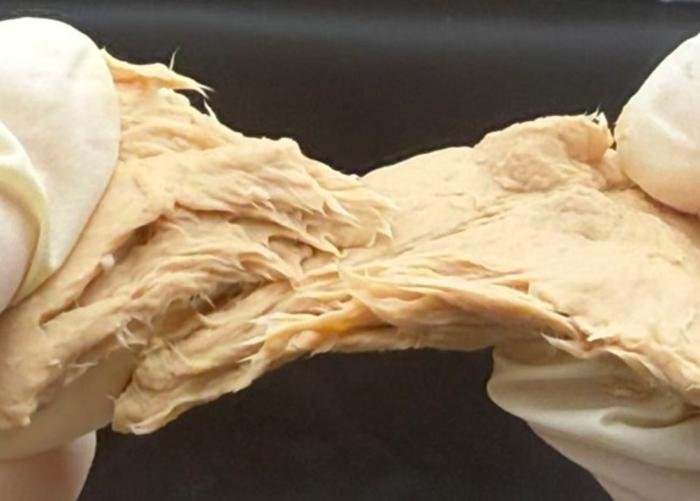
SILK threads from spiders have amazing mechanical properties such as superior toughness and elasticity. These make them a good candidate for applications in various fields – ranging from developing protective armour, like bullet proof vests to bandages for wound dressing to coatings for medical implants.
Humans have been making use of spider silk [ihc-hide-content ihc_mb_type=”show” ihc_mb_who=”2,3,5″ ihc_mb_template=”1″ ] for thousands of years. The ancient Greeks used cobwebs to stop wounds from bleeding and the Aborigines used silk as fishing lines for small fish. More recently, silk was used as the crosshairs in optical targeting devices such as guns and telescopes until World War II, and people of the Solomon Islands still use silk as fish nets.
But unlike silkworms, harvesting silk directly from spiders is not a commercially viable option. Spiders require vast amounts of space for their webs, individual spiders do not produce high quantities of silk, and spiders tend to eat each other.
The Japan based Riken Centre for Sustainable Resources (CSRS) is now raising hope for the mass production of spider silk and this may open a whole new vista in mass production of silk and the development of highly-sought silk-based products.
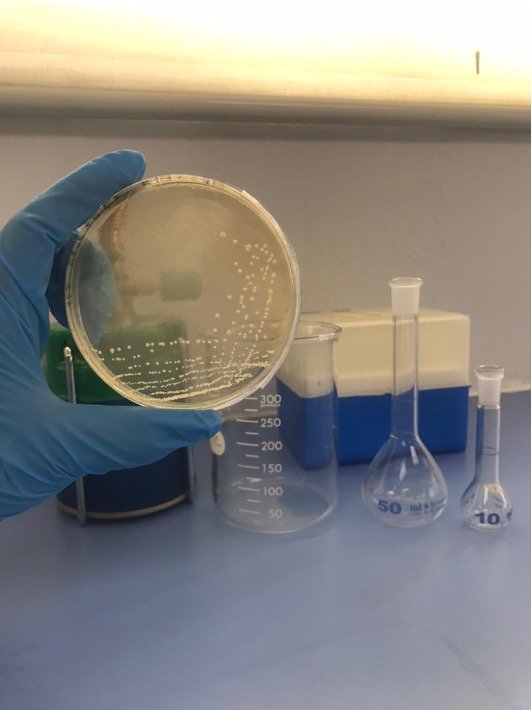
In a new study Riken’s research team has produced spider silk using the marine photosynthetic purple bacterium, Rhodovulum sulfidophilum.
The study is published in Communications Biology.
Choon Pin Foong, who conducted this study says: “The CSRS team focused on the marine photosynthetic bacterium Rhodovulum sulfidophilum. This bacterium is ideal for establishing a sustainable bio-factory because it grows in seawater, requires carbon dioxide and nitrogen in the atmosphere, and uses solar energy, all of which are abundant and inexhaustible.”
According to him the researchers genetically engineered the bacterium to produce MaSp1 protein, the main component of the Nephila spider dragline which is thought to play an important role in the strength of the spider silk.
He also explained optimization of the gene sequence that they inserted into the bacterium’s genome was able to maximize the amount of silk that could be produced.
They also found that a simple recipe of artificial seawater, bicarbonate salt, nitrogen gas, yeast extract, and irradiation with near-infrared light — allows R. sulfidophilum to grow well and produce the silk protein efficiently. Further observations confirmed that the surface and internal structures of the fibers produced in the bacteria were very similar to those produced naturally by spiders.
“Its biocompatibility makes it safe for use in biomedical applications such as drug delivery systems, implant devices, and scaffolds for tissue engineering,” adds Choo.
Because only a trace amount can be obtained from one spider, and because breeding large numbers of spiders is difficult, attempts have been made to produce artificial spider silk in a variety of species.
The CSRS team focused on the marine photosynthetic bacterium Rhodovulum sulfidophilum. This bacterium is ideal for establishing a sustainable bio-factory because it grows in seawater, requires carbon dioxide and nitrogen in the atmosphere, and uses solar energy, all of which are abundant and inexhaustible. [/ihc-hide-content]