A MALAYSIAN researcher attached to Cambridge’s Medical Genetics Department and Medical Research Council Cancer Unit was awarded the Dr Josef Steiner Cancer Research Prize 2019.
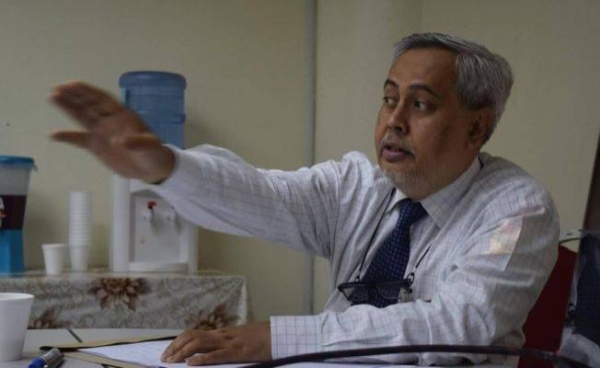
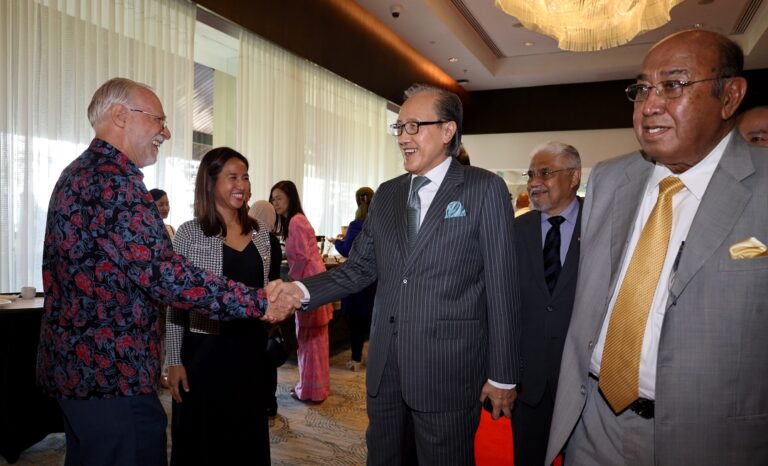
Prof Dr Serena Nik-Zainal (pix), the daughter of late cardiologist Datuk Dr Nik Zainal Abidin Nik Abdul Rahman renowned for setting up the first cardiology surgical unit in the country – was awarded the coveted prize for her research on cancer genome interpretation.
Formerly known as the “Nobel Prize for Cancer Research”, the Dr Josef Steiner Cancer Research Prize 2019 recognises the work put by Dr Serena into new bioinformatic methods to analyse mutations in cancer cells, which then enables new approaches to targeted therapies.
Serena, the principal investigator of the research worked with Dr Paul Calleja and Dr Ignacio Medina to find ways to [ihc-hide-content ihc_mb_type=”show” ihc_mb_who=”2,3″ ihc_mb_template=”1″ ] hasten the cancer genome interpretation process. She received her prize recently at the university after presenting her work: “Accelerating holistic cancer genome interpretation towards the clinic”.
According to Serena, the rate-limiting step in cancer genomics today is not the ability to perform sequencing, but the expertise in performing downstream analysis and making a clinically-useful interpretation, and that remains the hurdle between genomic technology and the clinical context. “Our research efforts began with showing that the totality of mutagenesis (a process in which the genetic information of an organism is changed) from large cohorts of whole-genome sequenced tumours could reveal mutational signatures – imprints left by mutagenic DNA damage and repair processes that have occurred through cancer development.
“Subsequently, our team focused on experimentally validating these analytical concepts in cellular model systems,” she said. “The powerful combination of computational analytics and experimental insights helped to drive the development of clinical computational tools to interpret whole cancer genomes more effectively,” she added.
She said the award will help the university enhance the translation of its expertise and develop clinically meaningful algorithmic tools.
“We seek to consolidate our current knowledge into infrastructure that is appropriate for the future. “We are building a more automated foundation, that can be referred back to at any point, and that will scale with more data coming.
“It needs to be more user-friendly for the next generation of clinicians and scientists to explore and be suitable for advanced data analytics,” she said.
Deputy Prime Minister Datuk Seri Dr Wan Azizah Wan Ismail congratulated her achievement on Facebook.[/ihc-hide-content]