A RECENT META-ANALYSIS study suggested that losing the sense of smell turned to be an overlooked symptom among COVID-19 patients although it has been manifested as a unique symptom of the infection during the early phase of the pandemic.
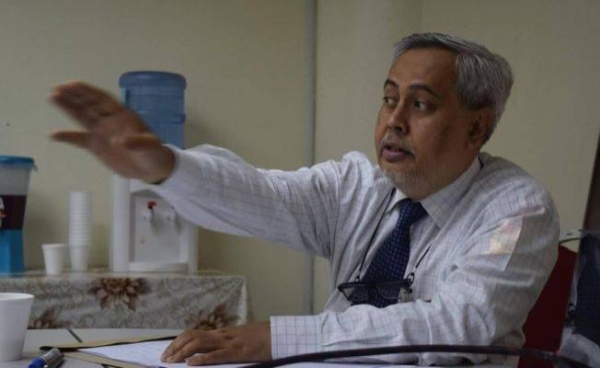
The meta-analysis study was authored by Dr Jeyasakthy Saniasiaya Consultant ENT Surgeon from University Malaya Medical Centre (UMMC) together with Dr Md Asiful Islam and Prof Dr Baharuddin Abdullah, both from University Science Malaysia.
The meta -analysis study examined data from 83 high quality studies from 27 countries across the globe and was published in The Layngoscope Journal, November 2020.
The Malaysian academicians decided to focus on this particular symptom because they realised that something as simple and petty as loss of smell could be actually an initial indication for an infection that caused pandemic.
[ihc-hide-content ihc_mb_type=”block” ihc_mb_who=”unreg” ihc_mb_template=”3″ ]“Loss of smell and taste could be the initial red flag of COVID- 19 without being accompanied by other popular symptoms such as fever cough and shortness of breath”, said Dr Jeyasakthy during her BFM interview.
According to Laryngoscope Journal, all 83 studies revealed a strong association between olfactory dysfunction and SARS-COV2 infection with evidence that 47.85 percent of COVID-19 patients expressed olfactory dysfunction.
This study led to many other noteworthy findings such as female predominance was reported among patients in losing sense of smell.
“There is a gender related variation in the inflammatory process since women tend to be more sensitive to any change in their chemosensory function compared to men or more women are willing to take part in the studies”, elaborated Dr Jeyasakthy during a recent BFM radio interview.
They also found that the highest reported loss of smell was observed in Europeans (54%) followed by North Americans (51%) and Asians (31%).
“The underlying socio-cultural background of Asian patients such as their reserved nature or lack of awareness of smell dysfunction as a symptom might justify for this”, authors stated in the Laryngoscope Journal.
Apparently, the pattern in losing the sense of smell differs among patients because of the virus host interactions. The virus reacts differently with every person. For instance some patients have anosmia which is partial or complete loss of smell, hyposmia is the decreased sense of smell while dysosmia is disordered smell perception.
Dr Jeyasakthy addressed that losing sense of smell could severely affect the quality of life of an individual. According to Dr Jeyasakthy, in most cases patients regain their sense of smell within a couple of weeks but there are few cases where they lose their sense of smell permanently which turned to be very depressing for the patients. In some cases they even loose both their smell and taste sense which can be very life threatening when they are not able to taste or smell rotten food. It has been found that SARS-COV-2 virus affects taste receptors in the oral cavity.
“Knocking two out of your five senses could end up in depression and social withdrawal”, added Dr Jeyasakthy during her interview in BFM Radio.
Thus, it is essential for those patients who lost their sense of smell to seek treatment by undergoing retraining therapy. This therapy is basically retraining or relearning how to smell. One of the methods to relearn smelling is patients has to sniff into intense essential oils such as eucalyptus rose or lemon which are commercially available for 20 seconds twice a day for a period of four to six months. Dr Jeyasakthy said this strategy has showed a promising results on post COVID-19 patients. Alternatively patients could use home products such as coffee lemon grass and even perfumes as long as they are familiar with the smell previously to relearn their smelling sense. Authors highlighted the awareness among public in not overlooking the symptoms of COVID-19.
“The public needs to realise that alteration in sense of smell and taste has to be given attention immediately by treating it as major COVID-19 symptoms”, emphasised Dr Jeyasakthy in the interview with BFM Radio. Coping strategies post COVID-19 plays vital role because it is linked to the mental health of patients.
[/ihc-hide-content]