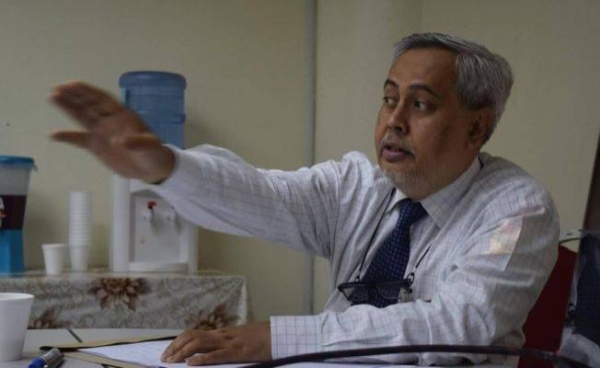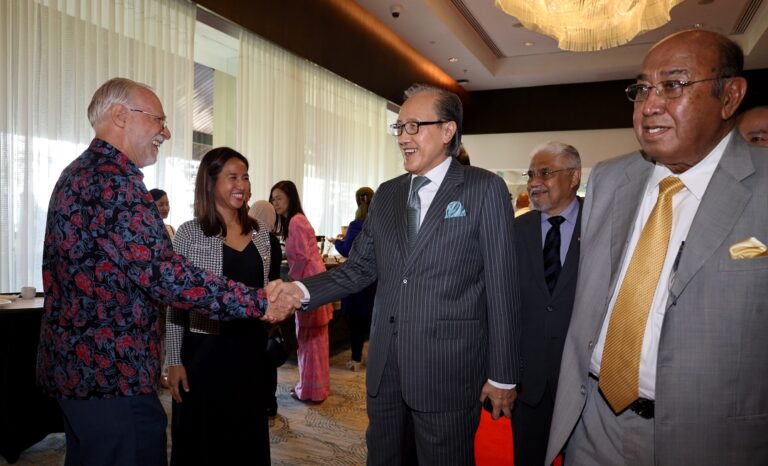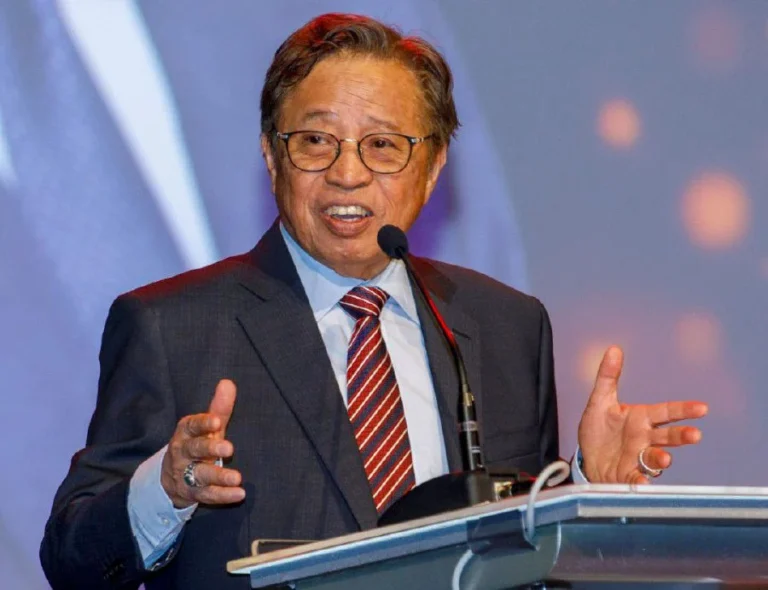
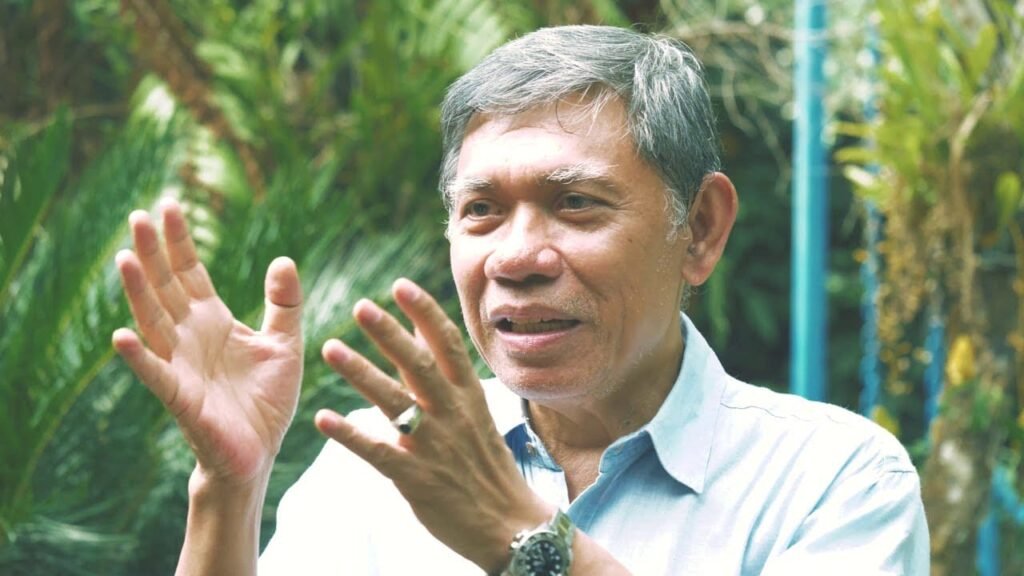
The Petri Dish editor-in-chief Dr Mahaletchumy Arujanan hosted an email Q&A with Prof Bambang Sugiharto (BS) and Dr Agus Pakpahan (AP) who were both involved in the development of the country’s first biotech crop. Bambang is from the Center for Development of Advanced Science and Technology (CDAST) and Department of Biology, Faculty of Mathematics and Natural Sciences, University of Jember, Indonesia while Agus was the chairman of the Indonesian Biosafety Commission.
Tell us the efforts necessary to develop a drought-tolerant sugarcane and how it all began in Indonesia?
AP: The sugarcane industry in the country is centred in the East Java Province and this region contributes about 45 per cent of national sugar production. The history of sugarcane production originated in the “wetlands” [ihc-hide-content ihc_mb_type=”show” ihc_mb_who=”2,3″ ihc_mb_template=”1″ ]or also known as “paddy land”. The growing population of Indonesia which is also concentrated in Java have a great sense of competition among themselves.
Rice which is a staple food for most Indonesians has always been a priority farming commodity. Hence, the need for a change of land use, from paddy to sugarcane. This was the initiative step. This shifting of land use allocation was by itself calling for a development of new sugarcane varieties. One of them is the plan to have a drought tolerant sugarcane which is adaptable to sugarcane drylands agriculture.

Why is this trait important to Indonesia?
AP: As mentioned earlier, the current development of sugarcane industries have been shifting from wetland to drylands areas, then the trait is of course important to Indonesia. As said earlier also East Java is a major sugarcane area which is also shifting from paddy field to drylands areas. Fortunately, PT Perkebunan Nusantara XI, (PTPN XI) a state-owned company whose major areas are located in East Java took initiatives in developing a drought tolerance sugarcane trait. It is expected by finding and applying that a drought tolerant sugarcane not only will give better opportunities to expand the areas of production cultivation but also will broaden employment opportunities and increase farmer income.
The collaboration between Ajinomoto and Jember University is a success story of a public-private collaboration. How was this initiated and what were the roles of the two partners?
BS: The collaboration started with the effort to address the low productivity in arid land. PTPN XI initiated the research collaboration to generate drought tolerant sugarcane using genetic engineering techniques. It was fortunate that Ajinomoto Co Inc as an owner of a drought tolerant gene was willing to join the research collaboration and donated the gene. In the research process, Jember University played a role as research consultant and PTPN XI played a role as a research unit, providing both in laboratory and field trials infrastructure and facilities. Research contracts was signed in late 1999, and the research commenced in 2000.
What is the source of the drought tolerant gene?
BS: The drought tolerant gene is betA gene encoding for choline dehydrogense enzyme that increase glycine-betaine contents. The betA gene was isolated from bacteria Rhizobium by Ajinomoto company.
Tell us briefly the timeline of this project?
BS: R&D in laboratory and greenhouse started in 2000. R&D for seedling multiplication was carried out between 2004-2006. The regulatory process on biosafety assessment started in 2006. Field trials took place between 2007-2010. Public participation where information about the sugarcane, its cultivation practices, environmental impact, risk management were shared with the society and obtaining public feedback were held from 2010-2012. Approval for biosafety assessment was received in 2012, food safety approval in 2013 and feed safety approval in 2018.
What were the main challenges?
AP: The main challenge was working in a situation where the biosafety law was not completely in place. This gave rise to a lot of uncertainties. The Biosafety Commission was established in 2010 but the development of drought tolerant sugarcane was initiated in 2000. The guideline for feed assessment, for example, was not in place at that time. A lot of adjustment and consultation was needed. But this gave us a very good learning experience. Indonesia is probably in a better position now to develop GM crops. It also thought us the need to have biosafety regulations in place, but more importantly one that will enable R&D and commercialisation.
How is ‘public approval’ of GM crops in Indonesia?
BS: There is no evidence-based survey on this yet in Indonesia.
What is in the pipeline after the successful commercial approval of GM sugarcane?
BS: We hope that farmers income would be raised and more farmers will be participating in sugarcane cultivation. The development of biotech sugarcane will be continued for other important traits.
What was your role in this project?
BS: As a researcher, both in laboratory and field trials.
AP: I was the Chairman of the Biosafety Comission for Genetically Modified Products of Republic of Indonesia, when GMO of sugarcane drought tolerance was developed. My role as a chairman was to coordinate the technical team of food safety, feed safety and environmental safety assessments.
I was also involved in plenary meetings of the Biosafety Commission to decide whether or not to accept the assessment conducted by the technical teams. We usually consider a few options – to accept, reject or request for additional assessments. We also looked at input from biosafety clearing house and other relevant agencies. Based on the outcome of the plenary meetings, the recommendations for food, feed, or environmental safety were developed and sent to the ministers and head of regulatory office.
[/ihc-hide-content]