HUMAN intrusion into natural habitats of plants and animals is usually frowned upon by society, especially environmentalists. But this is not true when it comes to cave exploration, a leisure activity known as spelunking.
According to a local scientist, intrusion of caves by tourists, [ihc-hide-content ihc_mb_type=”show” ihc_mb_who=”2,3,5″ ihc_mb_template=”1″ ] hobbyists and other enthusiasts is actually beneficial to the caves’ ecosystem, especially for the caves’ fungi population.
Dr Jaya Seelan Sathiya Seelan is a trained mycologist – an expert on fungi. Speaking to The Petri Dish recently he says “spelunking” is a popular recreational activity and it involves walking, climbing, crawling and even squeezing through tight pathways inside the corridors of caves.
“While most people enjoy exploring caves, least do they realize that their activities inside the caves actually have a positive impact on the caves’ ecosystem,” says Jaya Seelan.
Recent cave expeditions on the Borneo island by a group of researchers from University Malaysia Sabah discovered a significant increase in the fungi biodiversity in the caves which had had regular high levels of human interactions.
The expeditions led by Jaya Seelan was the first of its kind in the country.
The research team studied cave ecosystem and fungal biodiversity in four Sabah caves to better understand the impact of human visitations on the fungal biodiversity within the caves.
Out of the four caves – two caves, the Gomantong and Madai were very popular and often visited by explorers – wheras the other two caves, Balambangan and Keruak were not so popular and attracted less visitors.
“Logically, the rarely visited caves should have a higher fungal biodiversity due to the conservation of fungi within the caves because of lesser human intrusion and disturbance.
“However, interestingly our findings reported that the highly visited caves hosted a higher fungal biodiversity,” says Jaya Seelan.
Sample collection
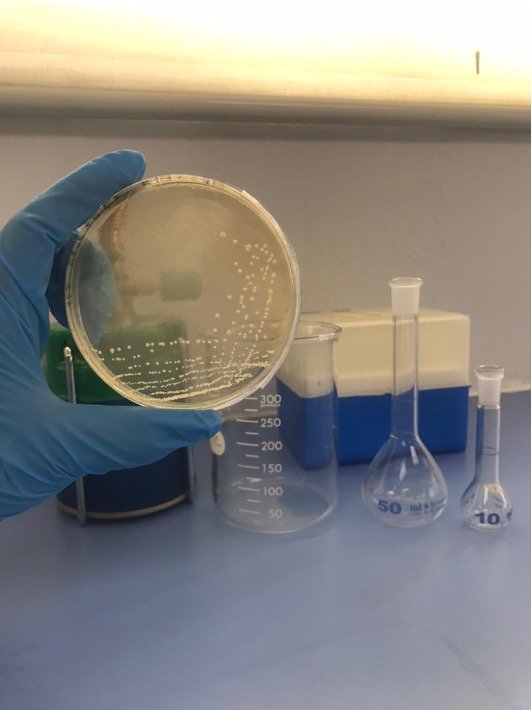
The researchers collected samples from speleothem (cave mineral deposits), cavern water, and bat guano as well as bat and insect cadavers from these caves for laboratory analysis.
They identified 77 species of fungi consisting of the saprophytic species – fungi that feed on dead and decaying organic matter, plant-parasitic fungi and insect-parasitic fungi. Potential human fungal pathogens as well as new fungi species in the cave environment were also identified, said Jaya Seelan.
“The Gomatang and Madai have high human interactions due to bird nest harvesting activity and existence of oil palm plantations in close proximity with the caves.
“Visitors have to track across forests which may result in fungal spores from the forests sticking to their clothes and shoes. Some cave explorers also camp in the caves for days. These activities may have caused fungal spores to be transferred from their bodies, shoes and clothes into the caves, hence contributing to the increase in fungal biodiversity,” says Jaya Seelan.
Studying cave ecosystem contributes to the identification of parasitic cave fungi and the diseases caused by them,” says Jaya Seelan.
White-nose Syndrome
For instance, about a decade ago, a disease commonly known as White-nose Syndrome ravaged hibernating bats during the winter months across North America. This infection was not caused by the usual disease- causing agents like virus and bacteria but by a pathogenic fungus known as Pseudogymnoascus destructans, Jaya Seelan points out.
He says, it is very likely that in this case, human beings are responsible for introducing the P. destructans fungi to American bats from Europe.
He also said bats are not the only mammals that have been affected by fungal pathogens in caves.
Histoplasma capsulatum, the fungus responsible for a type of lung infection (histoplasmosis) in humans, is prevalent in the nitrogen rich soil in the caves’ and contaminated by bat droppings.
He said during the expedition into the Sabah caves P. destructans was not isolated – but neither was this pathogenic fungi expected to be present as tropical bats generally do not hibernate.
Likewise, although no H. capsulatum were isolated, a number of other opportunistic human fungal pathogens were present including Aspergillus spp, Emmia lacerata, and Cladosporium cladosporioides.
Overall, the data acquired from this study showed that human visitation has a significant measurable impact on the fungal ecology of cave ecosystems.
Jaya Seelan emphasised that the potential industrial application of fungi is vast but it is estimated only around 3-8 per cent of the world’s fungal species have been discovered – and many of these reside in the less explored ecosystems of biodiversity hotspots such in the tropics.
“Our next step in this research is to further study the chemical composition and biological activities of the fungal samples collected. Our main interest is to look into the pigment production from fungi which can be used in various biotechnology applications,” says Jaya Seelan. [/ihc-hide-content]