VIROLOGISTS around the world are not surprised about the Covid-19 catching up on us.
We had it coming, says a Malaysian virologist Prof Sunil Kumar Lal from Monash University Malaysia.
In a skype interview with The Petri Dish recently he says there are about 320 000 different known virus isolates that are yet to be studied.[ihc-hide-content ihc_mb_type=”show” ihc_mb_who=”2,3,5″ ihc_mb_template=”1″ ]
According to him, most of these virus isolates are zoonotic – which means they do not jump the animal-human species barrier unless they are pushed against their boundaries.
“With the increase in the illegal trafficking of wildlife animals for their exotic meat, it is not surprising that we are now facing a pandemic crisis,” Lal points out.
A molecular biologist by training, Lal had worked at the prestigious International Centre for Genetic Engineering and Biotechnology (ICGEB) in New Delhi for 20 years as a senior research scientist.
It was there that he started his research on tropical infectious viral diseases.
He first studied the hepatitis E virus (HEV) which causes Hepatitis E, a third world disease before being roped into a pioneer research group involved with the cloning of SARS coronavirus genes.
Like a blind man feeling an elephant
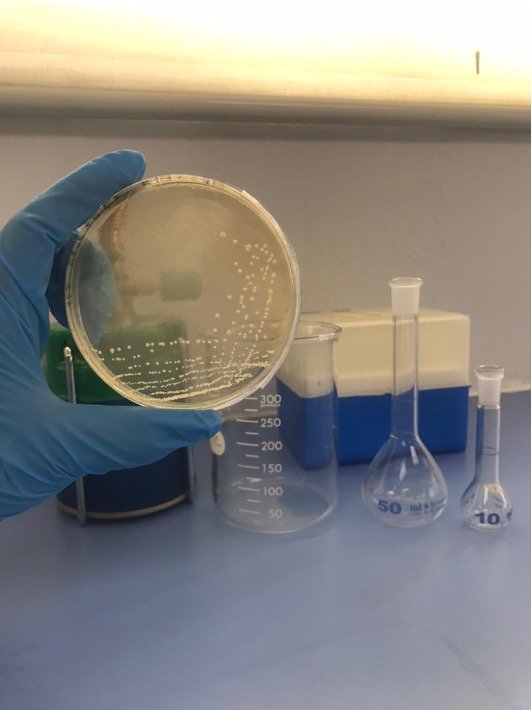
“It is not an easy task to study a virus because a virus cannot be grown in the Petri dish. You cannot see them unlike bacteria that grows into a colony. Examining a virus is like asking a few blind people to touch an elephant and then make them describe what it looks like. Everyone would come out with their hypothesis. All put together, you get to visualise what an elephant looks like,” explains Lal.
“That’s exactly what we did. We started working on the SARS virus project to understand each gene, how the virus replicates and how it manipulates its host,” says Lal.
A virus carries only a small number of genes yet it infects a host cell and turns it into a small factory. It controls a host cell that has such complicated machinery, uses all resources present within the cell to its advantage, yet it does not kill the cell.
Lal and his team were successful at conducting basic molecular studies to learn the mechanism and strategy of the particular virus.
However, when the SARS epidemic was contained, the government of India stopped all sources of funding allocated for the project. Lal then shifted his research interest to influenza viruses.
The lemon sniff test
Coronavirus and influenza viruses are from two different families of viruses. They are not at all related. Coronavirus is something very new to humans as compared to influenza virus.
However, infected patients will experience common symptoms like fever, cough, sore throat, muscle aches, headaches, running nose, fatigue, vomiting and diarrhea.
One major symptom of Covid-19 infection that is significantly different from influenza infection is the profound loss of the ‘sense of smell’ among infected patients.
Lal says, if you have a flu or cough and become nervous about having contracted Covid-19, there is one check you can do – sniff a lemon or orange first thing when you get up in the morning.
If you cannot get the strong citric odour of the lemon than it would be good to be tested for the Covid-19 infection.
Fast-track Vaccines or Repositioning of Antiviral drugs?
According to Lal, developing a vaccine involves efficacy tests, safety issues, animal trials, phase one trials in human and many other tests before the vaccine is ready for use. Over and above that, even if you have found a vaccine candidate, upscaling it is another hurdle.
Whether the use of antiviral drugs to combat Covid-19 is a better alternative, Lal says drug repositioning using antiviral drugs is what virologists around the world are working on. However, that may not be the best choice.
“The severity of a disease depends on how our immune system reacts towards that particular virus. We cannot simply give an antiviral drug – hydroxychloroquine, for instance to a patient who might already be recovering from Covid-19 with the help of his immune system. That could be disastrous as this particular drug is an immune suppressor and may not be good for coronavirus infection. It suppressors the immune system and reduces survival chances.pd
[/ihc-hide-content]