“THE VIRUS is so invisible and could be anywhere. You may be wearing a mask to prevent it from entering your upper respiratory tract. You may practice social distancing, perhaps you are locked down at home. But what about the coins and bank notes that you just cannot avoid touching?
How about the jet air dryers and the toilet papers that you use in public toilets? Do they transmit virus to your hands”? Are these concerns bothering you? Scientists are not missing these points.[ihc-hide-content ihc_mb_type=”show” ihc_mb_who=”2,3,5″ ihc_mb_template=”1″ ]
These were discussed recently at the European Congress on Clinical Microbiology and Infectious Diseases (ECCMID) conference, although for now only sketchy details are being released.
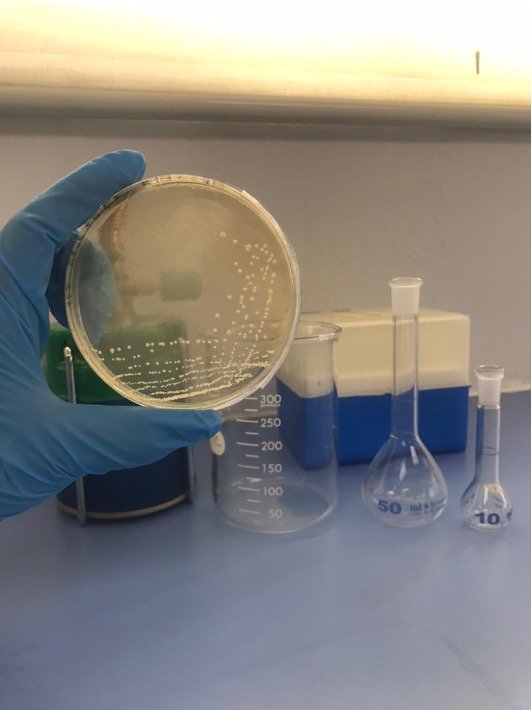
Studies were done on survival of bacteria on different Euro coins and banknotes. Dr Graham Wheeler, Medical Statistician, UCL says this might not apply to virus and there are limitations to the study as other surfaces were not compared, the change in viable bacteria after 24 hours was also not reported.
But if bacteria give us any indication, the authors cautiously mentioned that they are still present after 24 hours on all surfaces, so handling of coins and banknotes could still present opportunities for bacteria to be transmitted from one person to another.
Metal surfaces are known to kill bacteria, but again viruses are different animals, says Dr Simon Clarke, Associate Professor in Cellular Microbiology, University of Reading.
Let us move on. We are all told to wash our hands. What is next – paper towels or jet air dryers? A small study by experts from Britain’s University of Leeds and Leeds Teaching Hospitals NHS Trust found that if hands had not been properly washed, drying with a paper towel was more effective at removing microbes.
Prof Paul Hunter, Professor in Medicine, UEA, says concerns about jet air driers spreading infection are not new.
In 2015 Kimmitt Redway from the University of Westminster reported a study showing that such driers were associated with “significantly greater and further dispersal of MS2 bacteriophage from artificially contaminated hands” when compared to warm air driers or paper towels. What both studies have shown is that jet air dryers may lead to greater dispersion of virus onto surrounding surfaces and the persons body compared to paper towels.
“Clearly how much virus remains on peoples’ hands after washing depends to a large extent on how efficiently people are at washing their own hands. If people do not wash their hands properly then other people may be at risk if standing close to someone using such a jet dryer. This study reinforces the need to wash hands properly so as much virus is removed as possible before drying, and the importance of maintaining a two meter distance from other people during the current COVID-19 pandemic even when visiting toilets and washrooms,” says Hunter.
Many are violating Movement Control Order but there are still many who are gripped by fears, anxiety, paranoia and worry over Covid-19. Simple things in life that we used to do are taking an emotional toll and for a few this might even lead to disturbed mental health. There are intellectual discourses on these aspects, although all are unpublished and not peer reviewed. Yet, they give us some indication, maybe even some consolation. pd
[/ihc-hide-content]