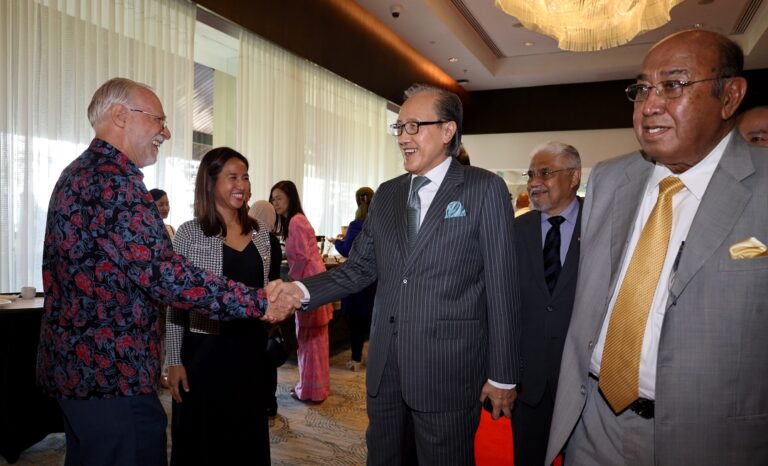
KARACHI: The 5th Science and Technology Exchange Programme (STEP5) in Islamic countries, a flagship programme of Mustafa Science & Technology Foundation (MSTF) was held at the University of Karachi from Feb 28 – March 2.
This year’s theme was “Cutting Edge Pharmaceutical Approaches to Meet Health Challenges of Communicable and Non-communicable Diseases; with an emphasis on the contribution of female scientists.
The forum was attended by 64 delegates from 19 countries (Canada, Egypt, Pakistan, Germany, Iran, Iraq, Jordan, Kazakhstan, Finland, Lebanon, Malaysia, Oman, Turkey, USA, Yemen, France, Sweden, UAE, Singapore),[ihc-hide-content ihc_mb_type=”show” ihc_mb_who=”2,3″ ihc_mb_template=”1″ ] and undergraduate and graduate researchers. Representatives from COMSTECH, TWAS, IAS, ISESCO, WHO, OWSD, MABIC also participated at STEP5.
MSTF, through STEP provides opportunities to identify individuals with potential and common interests in the field of science in a targeted way. In addition to scientists networking among themselves, investors from the Islamic world are able to connect with a network of prominent scholars creating financial support mechanisms in the field of applied research.
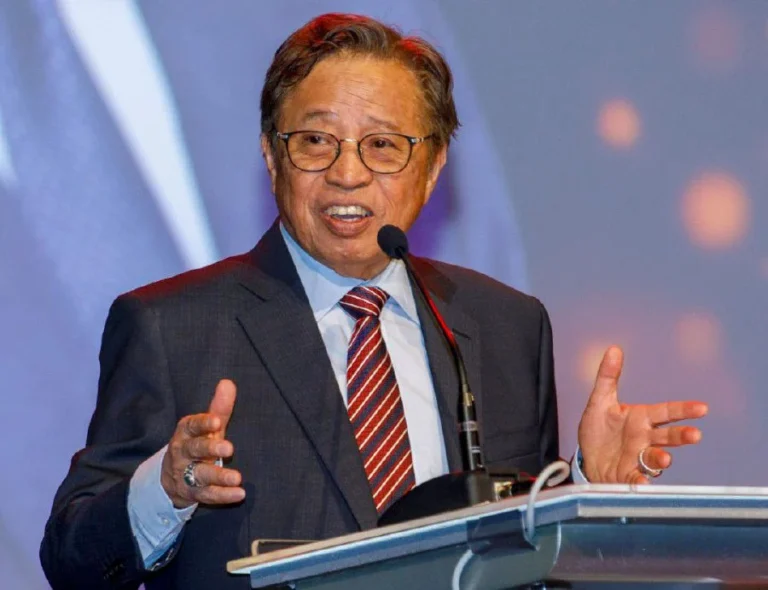
Speaking at the opening ceremony, Prof Atta-ur-Rahman, the Chairman, Task Force on Technology Driven Knowledge Economy for Pakistan highlighted the alarming decline in the education, as well as science and technology sectors in the Muslim world.
“We must drastically change the strategy for socioeconomic development as natural resources have lost their importance. It is the ability of nations to manufacture and export value added goods, that will determine their state of development”, said Rahman. He pointed out the low budget allocated for R&D and the lack of Nobel laureates in the field of S&T in the Muslim world.
Pointing out to the focus on women this year, Shaghayegh Haghjoo, the Secretary of STEP5 said, “Women make up half of the human resources available in every country for development. Creating equal gender opportunities is a prelude to future competitions that require the use of all their human resources (both male and female).
“Research shows that there is a significant difference between the number of women and men in terms of continuing education in postgraduate and doctoral degrees, and more importantly, attracting them to scientific and research centres as faculty members or accessing them to management positions.”
Haghjoo further said that although women have historically succeeded in achieving significant success in science and technology, examples of which can be found in “Women in Science”, published by MSTF, more efforts are needed to create an inclusive environment to empower women scientists.
She added: “In addition, the results of a WHO survey showed that women play an important role in creating healthy lifestyle to reduce non-communicable diseases, the most important cause of death in today’s world.”
The wide range of topics that were spread across three days included discussing distinctive actions to overcome health-related challenges in the Islamic world; addressing scarcity of equipment and solutions for mutual collaborations; Pakistan’s response to global health challenges; latest drug development and diagnosis strategies to overcome both communicable and non-communicable diseases; and future diseases in the Islamic world.
Some of the highlights of the programme besides the scientific presentations were business networking, roundtable meetings, meetings of scientific and technological panels and academia to academia (A2A) meetings. Young scientists got their limelight as well to inspire them further.
The International Center for Chemical and Biological Sciences (ICCBS) at the University of Karachi hosted the meeting and Haghjoo has this to say, “This is one of the best centres in the world in the field of molecular medicine, herbs and natural products, as well as chemistry, and has been host to important international meetings in the world of science.
“The readiness of this centre and its high potential in creating international scientific communication has been one of the main reasons for choosing it.”
Prof Iqbal Choudhary, the Director of ICCBS played a significant role ensuring the success of STEP5.
Malaysia was represented by ten scientists from UPM, UKM, UiTM, USM and USCI and MABIC.
[/ihc-hide-content]