BY NARVIINYA MURUGAPPAN
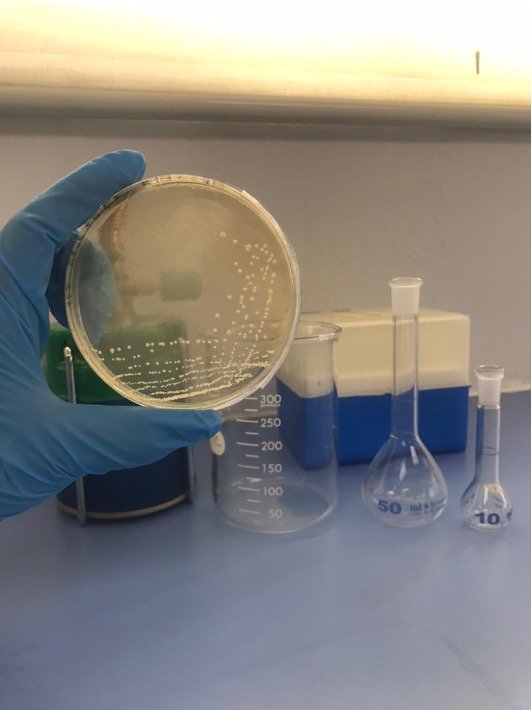
DID YOU KNOW that we carry an average of 3200 bacteria on our hands? There are two types of microbes found on our skin – resident and transient. Resident microorganisms are always present in our skin and are mostly harmless, and are
[ihc-hide-content ihc_mb_type=”show” ihc_mb_who=”2,3,5″ ihc_mb_template=”1″ ]less likely to cause an infection compared to transient microbes. Some of the most common resident bacteria found on our skin include S. epidermidis, S.hominis and corynebacteria. Transient microbes temporarily reside on skin, and can be acquired through direct skin contact or touching contaminated objects. An example of transient microbe is SARS-CoV-2, the virus behind COVID-19. With just proper hand-washing, transient microbes that cause diseases like COVID-19 can be removed and prevented from spreading. No matter your preferred greeting, it’s crucial to practise thorough hand hygiene for the health and safety of everyone around you.
HANDSHAKE
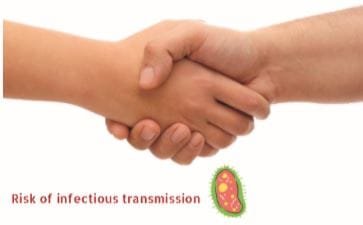
Handshakes provide germs with a direct route of transmission, owing to an average contact area of 24.4 square inches, a longer contact duration, and higher amount of pressure used between hands during a greeting.
Handshakes not only serve as a form of greeting and signifying partnerships, but can also convey a person’s character and mood. Research has shown that we will shake hands an average of 15, 000 times in our lifetimes!
HIGH FIVE
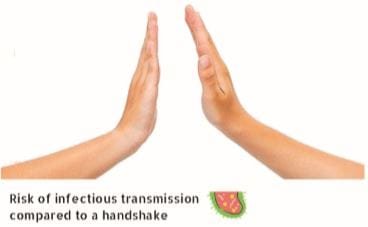
High fives transmit only 50% as much germs compared to a regular handshake, but transfers more germs than fist bumps as the contact areas are wider and involve open palms.
Studies have shown that high fives can enhance team bonding and may improve performance in sports and in the office, most likely due to its interpretation as a supportive gesture. High fives can also help to improve a child’s positive self-evaluation and motivation.
FIST BUMP
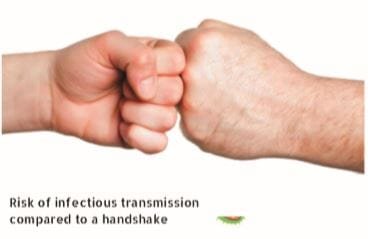
Fist bumps reduce bacterial transmission by 90% compared to a regular handshake, due to its significantly decreased contact area and shorter duration of contact.
The fist bump as a formal greeting has garnered considerable popularity since world leaders like former US President Barack Obama and Tibetan spiritual leader the Dalai Lama have used it publicly. It’s increasingly used in hospital settings in “no-handshake zones”, to lower the risk of germ transmission.
Greetings from around the world
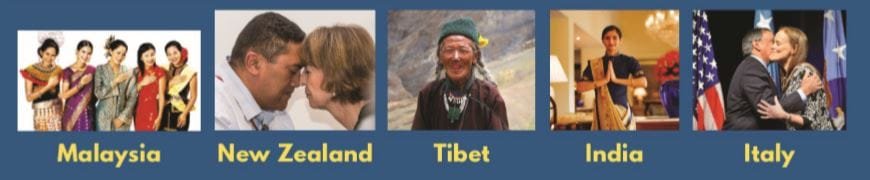
MALAYSIA : Termed ‘salam’, this gesture involves both hands outstretched to their partner, lightly touching the other’s fingertips before placing their hand on their hearts.
NEW ZEALAND : A traditional Maori greeting, a ‘hongi’ involves both partners pressing their foreheads and noses together.
TIBET : The Tibetan greeting of sticking one’s tongue out can be attributed to a cruel Tibetan king who was known for having a black tongue.
INDIA : ‘Namaste’ translates to “I bow to you”, and involves hands pressed in a praying motion accompanied with a slight bow.
ITALY : Cheek-kissing is a common greeting in Europe. In Italy, partners lightly press their right cheeks together followed by their left cheeks.
Sources:
https://theconversation.com/shaking-hands-is-disgusting-heres-what-else-you-can-do-98097
https://www.vox.com/2014/7/29/5947703/handshakes-filthy-disease-spreading-tradition-fist-bump-instead-hygiene
https://www.latimes.com/science/sciencenow/la-sci-sn-fist-bump-handshake-germs-20140728-story.html
https://www.afar.com/magazine/beyond-the-handshake-how-people-greet-each-other-around-the-world
[/ihc-hide-content]