
Vanilla, cinnamon, essential oils from herbs, fruity flavourings… We use such flavours and spices to alter the taste or add depth to our foods and beverages everyday. However, did you know that only 0.001% by weight of the whole plant contains the compounds needed for flavouring? [ihc-hide-content ihc_mb_type=”show” ihc_mb_who=”2,3,5″ ihc_mb_template=”1″ ]
A lot of land and resources are used to cultivate plants to produce that tiny amount of flavouring.
Vanilla — it’s the most popular flavour worldwide, but it’s also a notoriously hard plant to grow. It can only be obtained from hand-pollinated or wild flowering orchids in a handful of tropical countries, followed by months of drying and developing the flavour. Its demand vastly outweighs the supply, making it an even more expensive flavour to procure.
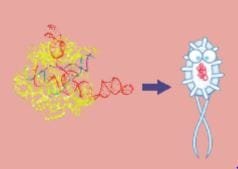
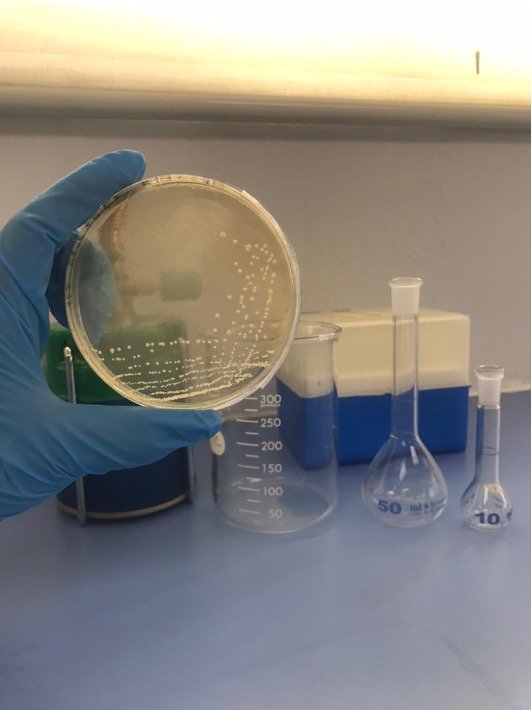
The good news is, synthetic biology may provide a solution to this. Through synthetic biology, novel microorganisms are developed where their genetic makeup is completely redesigned to make them to produce the desired compounds. Yeast and bacteria are commonly used for this purpose where they are grown in a nutrient-rich bioreactor, and the flavour compound is extracted from there. This would greatly reduce the environmental footprint caused by agriculture. In essence, synthetic biology is combination of biology, programming, engineering, and maths.
Benefits
- Various new “fantasy blends” can be formulated.
- Unaffected by unpredictable weather, seasonality, political instability, supply chain interruptions, heavy metals, and unexpected pesticide residues being sucked up by plants.
- Use of fertiliser, pesticides, and water could be reduced.
- The flavour profile of each naturally-occurring flavour compound can be modified.
- Preserves the flavour compounds that would otherwise be damaged in the extraction process.
Fun Fact
- A person who formulates flavours is called a “flavourist” or “flavour chemist”.
- They are highly trained professionals who prepare flavours to the customer’s liking, and there are only about 500 certified flavourists worldwide!