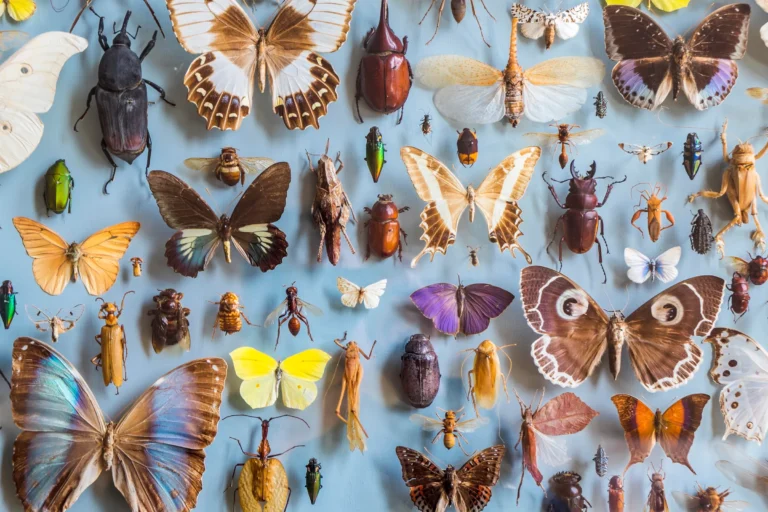
PUTRAJAYA: With dengue menace unabated in the country, the Health Ministry will soon unleash Wolbachia-infected mosquitoes in two selected areas in Selangor.
Its minister, Datuk Seri Dr S Subramaniam, said: “The mosquitoes will be released soon and we will study their impact on reducing the number of dengue cases.
“Based on the study, we will decide whether it would be worthwhile to release the mosquitoes in other areas of the country,” he told reporters at a press conference recently.
The study is part of a collaborative project between the Institute of Medical Research, Malaysia (IMR), Lancaster University, Britain, and Melbourne University, Australia, to effectively dengue-proofing the Aedes aegypti mosquitoes so they are unable to transmit the virus onto humans.[ihc-hide-content ihc_mb_type=”show” ihc_mb_who=”2,3,5″ ihc_mb_template=”1″ ]
Past research has shown that Wolbachia disrupts the dengue virus’ ability to grow in a mosquito such as the Aedes aegypti.
IMR director Datuk Dr Fadzilah Kamaluddin said the technique was recommended by the World Health Organisation and it has proved successful in a few countries.
“There have been no more Aedes mosquitoes in Yorkeys Knob and Gordonvale, Australia after the first five weeks of the Wolbachia-infected mosquitoes being released,” she told Malay Mail recently.
According to the news report, the Health Ministry will be releasing the Wolbachia-infected mosquitoes in Section 7, Shah Alam and AU2 Keramat end of March.
The study used the “Replacement Method” to discern how Wolbachia-infected mosquitoes could serve in the reduction of dengue mosquitoes in hotspot areas.
“The presence of Wolbachia-infected mosquitoes in the open space will allow them to mate with wild Aedes mosquitoes and they will eventually be incapable of transmitting dengue to humans. In time, elimination of the disease will become a reality.”
She pointed out that the infected mosquitoes are not genetically modified as the Wolbachia is a naturally occurring bacterium already found in the environment in many insect species, but not usually found in the Aedes aegypti mosquito.
“Wolbachia infections in a new host species are created by injecting the eggs using a technique called microinjection,” she said, adding Wolbachia could only live inside host cells and not able to transmit between insects.
The Wolbachia-infected mosquitoes project will be evaluated in December 2020, before the Health Ministry decides whether to extend the programme to other states.
Meanwhile, the Selangor State Government welcomes the Institute of Medical Research’s (IMR) effort to implement the ‘Wolbachia’ programme as an initiative to reduce dengue cases in Selangor.
Writing in the state’s news portal Selangorkini, Dr Daroyah Alwi, Selangor State Health Exco, said as a state that promotes its citizens’ welfare, we have no issue in allowing IMR to carry out the Wolbachia programme in Selangor.
“Nevertheless, it must be coordinated well at all level, whether at State level or Local Authority level.
“For example, will the Wolbachia programme be affected by the existing control and prevention methods that the local authorities and District Health offices are implementing such as fogging, larviciding and aerosol spray for homes programme?, she said.
She said further discussions need to take place between IMR and local authorities to ensure all these methods are in line with the ongoing effort.
[/ihc-hide-content]