TAPPING into the unique nature of DNA, Cornell engineers have created simple machines constructed of biomaterials with properties of living things.
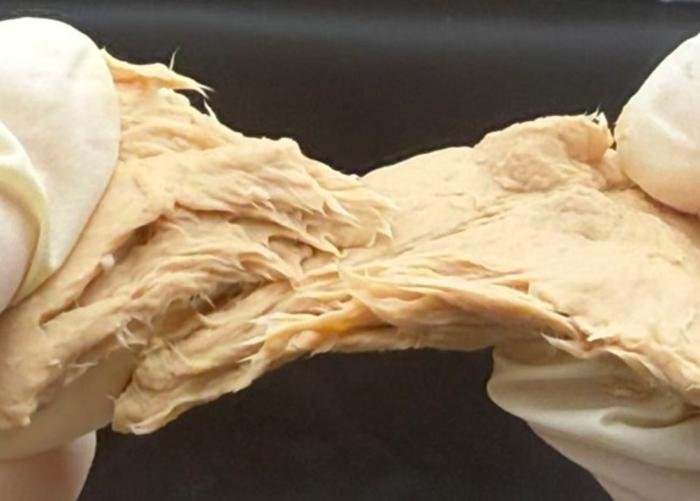
Using DASH (DNA-based Assembly and Synthesis of Hierarchical) materials, engineers constructed a DNA material with capabilities of metabolism, in addition to self-assembly and organisation — three key traits of life. [ihc-hide-content ihc_mb_type=”show” ihc_mb_who=”2,3″ ihc_mb_template=”1″ ]
“We are introducing a brand-new, lifelike material concept powered by its very own artificial metabolism. We are not making something that’s alive, but we are creating materials that are much more lifelike than have ever been seen before,” said Dan Luo, professor of biological and environmental engineering.
The paper published in Science Robotics.
For any living organism to maintain itself, there must be a system to manage change. New cells must be generated; old cells and waste must be swept away. Biosynthesis and biodegradation are key elements of self-sustainability and require metabolism to maintain its form and functions.
Through this system, DNA molecules are synthesised and assembled into patterns in a hierarchical way, resulting in something that can perpetuate a dynamic, autonomous process of growth and decay.
Using DASH, the Cornell engineers created a biomaterial that can autonomously emerge from its nanoscale building blocks and arrange itself—first into polymers and eventually mesoscale shapes. The DNA molecules were multiplied hundreds of thousands times, creating chains of repeating DNA a few millimeters in size. The reaction solution was then injected in a microfluidic device that provided a liquid flow of energy and the necessary building blocks for biosynthesis. – Cornell University [/ihc-hide-content]