KUALA LUMPUR: Being the most widely used and traded cash crop in the world and yet the most controversial, palm oil is here to stay.
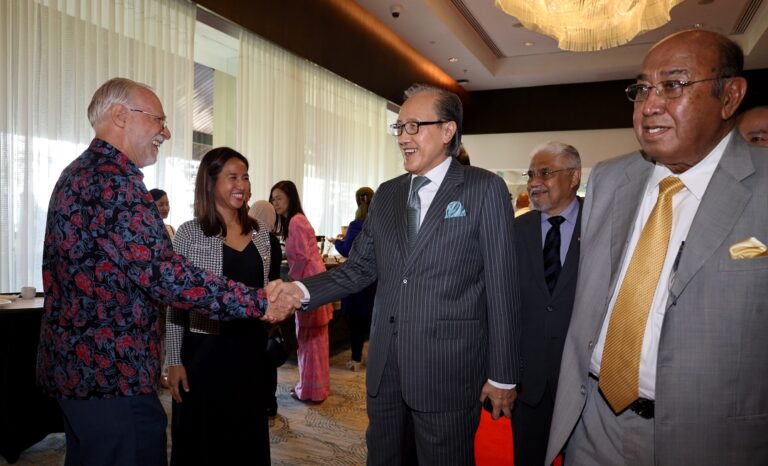
Malaysian Palm Oil Board (MPOB) Director General Datuk Ahmad Kushairi Din said this at the recently concluded 14th International Symposium on Biocatalysis and Agricultural Biotechnology (ISBAB 2018) in Kuala Lumpur in his keynote address delivered by his deputy, Dr Ahmad Parveez Ghulam Kadir.
According to Ahmad Kushairi, replacing palm oil with other oil crops such as soy, rapeseed or corn[ihc-hide-content ihc_mb_type=”show” ihc_mb_who=”2,3″ ihc_mb_template=”1″ ] would require up to nine times as much land to reap their full benefits unlike oil palm.
“Because of the higher oil output from oil palm compared with other oil seed crops like soya bean, rapeseed and sunflower – oil palm cultivation spares further destruction of forests and reduces conversion of forest acreages for oil palm cultivation dramatically.
“Oil palm cultivation therefore has a definite positive effect in terms of loss of biodiversity when compared with destruction of large land areas for cultivation of lower yielding oilseed crops,” said Ahmad Kushairi.
He also said the industry has put in place mechanisms to ensure sustainable practices are adhered to at every level of supply chain.
“The oil palm industry implements good agricultural practice like nutrient recycling by returning mill residues like palm oil mill effluent, empty fruit bunches and frond spreading back to the land to enhance soil nutrient content unlike other cash crops.
He said: “The industry is now moving towards automation and precision farming. It is a solution to reduce reliance on manual labour and increasing production efficiency, yield and quality while at the same time providing the avenue for workers to develop new skills for better livelihood.”
He further said MPOB is continuously placing importance on R&D and services along the whole value spectrum and embraces multi-disciplinary strategies to maximise synergies between economic development and environmental stewardship, as well as to ensure future growth is carried out within a sustainable framework.
As a further enhancement, he said traceability systems are being developed as an assurance and verification tool to accelerate the industry towards adopting greater transparency and accountability with concerns for the environment and land use.
“This will provide growers, producers, consumers the opportunity to verify that the products are from sustainable sources.”
ISBAB 2018 provided an inspiring environment for discourse and information on the latest research on biocatalysis and agriculture biotechnology.
Dr Jei Fu Shaw, President of ISBAB said the symposium emphasised on the importance and emerging scientific and technological developments in the areas of agriculture, biofuels and bioprocesses as well as functional food and nutraceuticals.
Jointly organised by MPOB and ISBAB, the symposium featured renowned local and international scientists from 16 countries, with more than 200 participants attending.
[/ihc-hide-content]