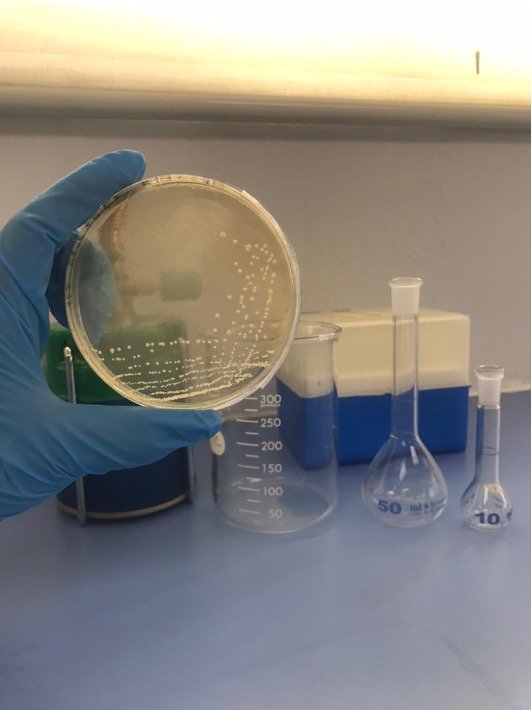
CYANOBACTERIA are simple, primitive life forms related to bacteria. They’re often bigger than bacteria and live either as single cells or in colonies. You can find them in the soil as well as terrestrial, freshwater and marine bodies of water. Check out what they can do below:
Biodegradable bioplastic
Scientists from Michigan State University altered a cyanobacteria strain [ihc-hide-content ihc_mb_type=”show” ihc_mb_who=”2,3,5″ ihc_mb_template=”1″ ] that naturally produces sugar to leak it into the water it lives in. Also present in the water are natural bacteria that consume the sugar to churn out bioplastic. The dynamic duo makes the production of bioplastic much quicker, more economical and more efficient. Production rates were reportedly 20 times faster and the yield quadrupled compared to cyano working alone.
Food Security
Current methods to produce bioplastics involve feeding bacteria with a lot of sugar from crops like corn or sugarcane. The problem is, these crops are a source of food too. So, using them for bioplastics can risk competition for agricultural resources and cause food prices to skyrocket in the long run. Since the bacterial duo doesn’t need crop-sourced sugar, food security wouldn’t be much of a problem.
Surfboard parts & Shoes
A California-based company known as Bloom harvests these algae and makes foam out of them. The foam was then used to make traction pads on surfboards. In addition, the company aspires to produce enough foam for two million pairs of shoes by early 2018.
Sunscreen & Moisturisers
Cyanobacteria can live in very dry conditions and fare well in the presence of intense ultraviolet (UV) radiation. They’re able to survive such conditions by forming amino acids that protect themselves from UV radiation. These amino acids are promising ingredients to be used in sunscreen and moisturisers.
Biofuels
Making use of the production of sugar from photosynthesis, a California-based company patented three types of cyanobacteria that, when grown together, produce a large amount of sugar to make biofuels. Biofuels are a greener alternative to fossil fuels.
Ethylene
A project supported by the United States Department of Energy in September this year uses cyanobacteria to make ethylene used in transportation fuels. By using cyanobacteria, the steam cracking of petroleum – a process releasing the biggest amount of carbon dioxide in the chemical industry, is avoided altogether.
Animal Feed, Raw Material & Fertiliser
Two other products are made while engaging cyanobacteria to make ethylene. The first is protein-rich biomass used as a promising source of animal feed and raw material for a chemical process that converts biomass to oil, called hydrothermal liquefaction. The oil is then further processed to fuel used for heavy engines like jets. Guanidine, a possible nitrogen fertiliser, is also produced when cyanobacteria make ethylene.
[/ihc-hide-content]