The High Level Policy Dialogue on Agricultural Biotechnology (HLPDAB) hosted in Vietnam recently set the pace for a ‘refreshing rethink’ in agribiotech
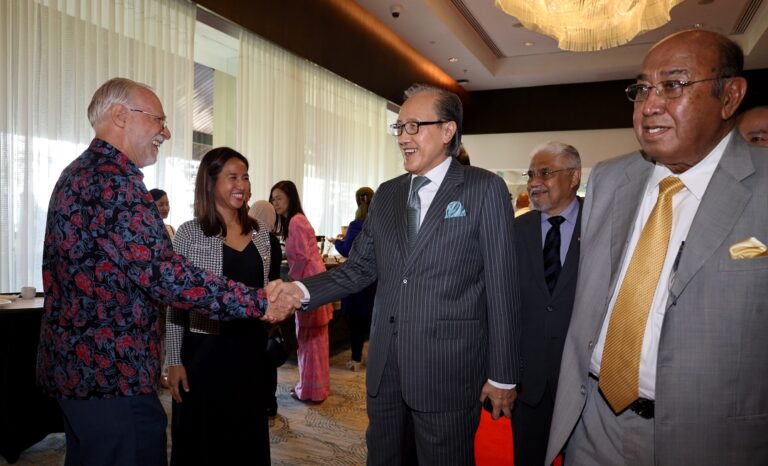
CAN THO, VIETNAM: This year the High Level Policy Dialogue on Agricultural Biotechnology (HLPDAB) took place, here, in Can Tho, Vietnam.
This city which is the economic centre of the Mekong Delta was also the venue for the APEC High Level Policy Dialogue on Food Security and Sustainable Agriculture in Response to Climate Change.
A one and a half-day workshop was held on the margins of the APEC HLPDAB from Aug 18-19. The goal of this workshop is for APEC regulatory and policy officials to exchange the most current information on the most pressing issues affecting innovative technologies while building relationships among APEC member economies. [ihc-hide-content ihc_mb_type=”show” ihc_mb_who=”2,3,5″ ihc_mb_template=”1″ ]
Entitled “Agricultural Biotechnology: Driving from 1G to 5G”, the workshop was clearly addressing the need to create new narratives for modern agribiotechnologies where the regulations, policies and political will is lagging behind the rapid evolution of the technologies.
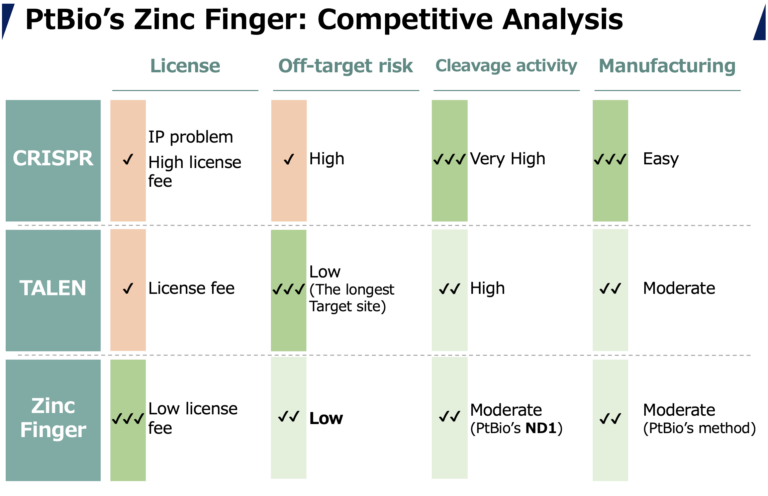
Since the introduction of Flavr Savr tomato in 1992, till the release of crops developed through new breeding technologies, crop improvement has advanced by leaps and bounds, such as Site-Directed Nucleases like Zinc Finger Nuclease and TALENs, Meganucleases, CRISPR and other systems are providing more precise and speedier options without the need to introduce new genes.
Renowned speakers and practitioners in the field of agribiotechnology presented the current environment of agricultural biotechnology including issues and concerns along with the successes.
In moving from 1G to 5G technologies, the experts put forward the uses of agricultural biotechnology in response to climate change, scarce resources and food security; why farmers adopt agricultural biotechnology; how public, state, and the private sectors can increase technology development and technology deployment.
The presentations led to discussions on what is slowing down biotech crops from reaching commercialisation; new legal instruments to regulate low level presence (LLP); data transportability where data from one country could be accepted in another for approval purposes; regional coordination and public-private partnerships; trade impediments; and the way forward with more advanced breeding technologies.
The Senior Officials’ Meeting (SOM) nailed down pertinent stumbling blocks in getting beneficial biotech crops to the farmers and consumers.
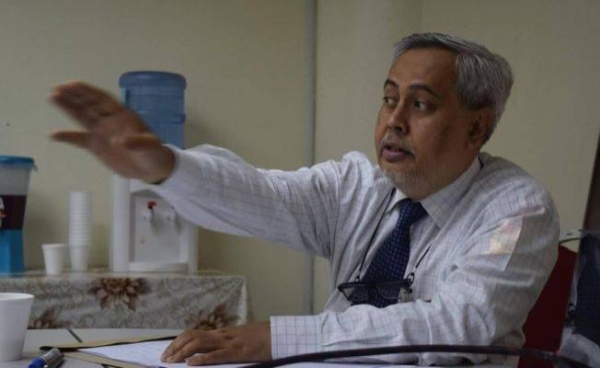
Dr Bruce Tolentino, Deputy Director General of the International Rice Research Institute said: “There is no doubt science will prevail but it takes political will to make the science reach the public where it matters the most”.
There was also a strong call for transparent regulations and science communication. The Can Tho Statement was also presented that calls the addressing of climate change; sustainable natural resource management; sustainable rural-urban development; facilitation of investment in agriculture; and harmonisation of food safety standards and food loss control.
The APEC meeting for 2018 will take place in Port Moresby, Papua New Guinea.
[/ihc-hide-content]