SERDANG: Biosafety, bioethics and biosecurity are big words even for scientists.
The policies, regulations and their implementation still remain elusive to scientists and other stakeholders.
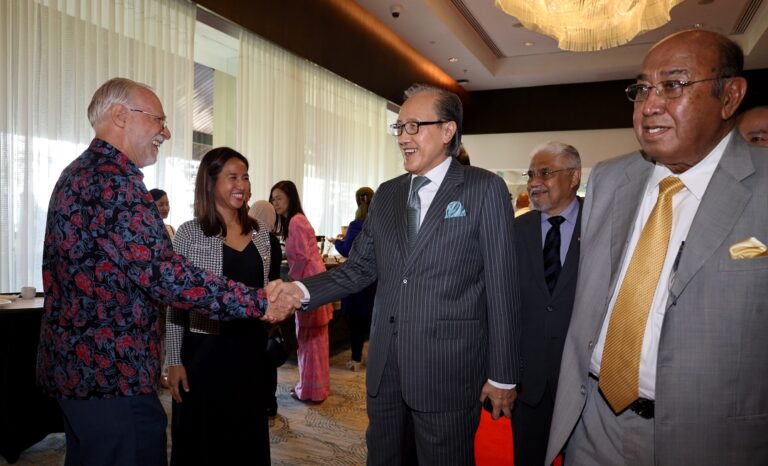
To create awareness on these areas, last month the Faculty of Biotechnology and Biomolecular Sciences of Universiti Putra Malaysia organised a seminar on these topics for scientists and post-graduate students.
The seminar was supported by the National Bioethics Council, Ministry of Science, Technology Innovation, Department of Biosafety, and the Medical Biotechnology Research Group.[ihc-hide-content ihc_mb_type=”show” ihc_mb_who=”2,3,5″ ihc_mb_template=”1″ ]
The seminar was spearheaded by Datin Paduka Prof Khatijah Yusoff in her capacity as a member of the National Bioethics Council.
Speakers from various institutes dissected the definition of each field, what they entail, how they are regulated, why some areas in life sciences require stringent regulations or monitoring, and the international laws and protocols that govern them.
What makes biosafety, bioethics and biosecurity more complicated is these areas are multidisciplinary and there is so much of legal aspects to it with a number of international protocols, treaty and conventions involved.
Because of its complexity and overarching nature, all three areas involve a wide range of ministries although each is placed under one dedicated ministry. Biosafety Act is under the purview of the Ministry of Natural Resources and Environment but has a long list of other related ministries at the National Biosafety Board; the National Bioethics Council is spearheaded by the Ministry of Science, Technology and Innovation with members from relevant ministries as well; the Malaysian Laboratory Biosafety and Biosecurity Policy and Guideline is placed under the Ministry of Health with even the Ministry of Defence as a stakeholder.
Biosafety, bioethics and biosecurity came to prominence due to the rapid advancement in life sciences and the possibility of dual uses of the technologies and unintended risks the technology may pose to human and animal health and to the environment.
Khatijah said that conducting responsible science is an obligation of every scientist.
“Scientists should get involved in the legal, ethical and safety issues of research and not just concentrate on their work at the laboratory bench,” she added.
A topic on “How Living Modified Organisms (LMOs) Are Regulated” was covered by Prof Rofina Yasmin from University of Malaya who is also a member of the National Biosafety Board and her presentation was complemented by the Chair of Genetic Modification Advisory Committee (GMAC), Dr Ahmad Parveez Ghulam. Parveez who touched on on the environmental risk management in agribiotechnology.
Datin Paduka Che Asma Ibrahim from Cenviro, one of the few companies with the capability to dispose hazardous waste from laboratories and hospitals gave an overview of how the waste is safely stored and disposed.
A number of speakers spoke about safety in the laboratories, reducing untoward accidents, and safe use and storage of chemicals and how all these triggers the Occupational Safety and Health Act (OSHA).
The talk on biosecurity by T.S Saraswathy , also a member of GMAC raised interesting concerns about dual use of microorganisms and the speaker listed a number of unintended health risks to scientists who work with highly contagious microorganisms.
Interesting questions were also raised during the panel discussion where research ethics, communication, public perception, and even career opportunities in these areas. Conducting responsible research came out as a consensus among all speakers, panellists and participants.
The seminar was attended by scientists in fields of life sciences and post-graduate students.
[/ihc-hide-content]