KITCHEN SPONGE is something that we use every day to clean our dishes, cutleries, and kitchen counters.
If you’re someone who repeatedly use the same sponge for more than a month or a year, a new study published in Scientific Reports may make you want to change your cleaning habits ASAP.
[ihc-hide-content ihc_mb_type=”show” ihc_mb_who=”2,3,5″ ihc_mb_template=”1″ ]Researchers say that a single cubic centimetre of a used kitchen sponge may contain up to 54 billion bacterial cells, which is 456 times more than a toilet seat!
WHAT KIND OF BACTERIA?
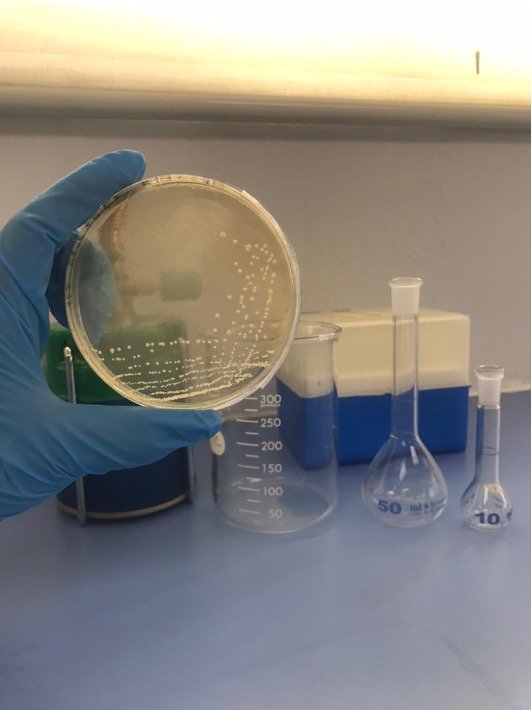
A group of researchers from Furtwangen University, Justus Liebig University and the Helmhotz Centre took 28 samples from 14 household kitchen sponges. And they found an astonishing 118 different kinds of bacteria including Salmonella, Yersinia pestis and Escherichia coli.
WHY SHOULD YOU CARE?
Five out of the ten most abundant bacterium species found in the sponge are pathogens; which mean they can cause diseases.
So, what kind of diseases?
Food borne, digestive diseases like diarrhoea and food poisoning and different kinds of infections that can easily affect people with weak immune system.
HOW TO CLEAN IT?
Most of us would throw our kitchen sponge into a microwave or in boiling water after cleaning all the dinner dishes and expect it to come out smoking fresh.
However, scientists say that these methods do not help at all because bacteria in the sponges have already become resistant to this. In fact, when we are happy thinking that our sponge is being cleaned, the bacteria inside are actually having a warm up party to grow even more colonies!
WHEN SHOULD YOU THROW IT?
Throw it out. Every week, try to get a new sponge to reduce the risk of bacterial infection and disease in your family and lead a healthier life.
[/ihc-hide-content]