THE global halal market is projected to reach USD7.7 trillion to USD30.6 trillion. The countries on forefront capturing the halal economy pie are China, Japan, Vietnam, Philippines, Singapore, Thailand, Brunei and Indonesia.
Japan is strengthening its halal certification ahead of its 2020 Tokyo Olympic and Paralympic Games.
For Malaysia halal economy contributes 7.5% to its GDP with RM43.4 billion worth of export in 2017. There are 1,257 companies involved in businesses related to halal and an investment of RM13.2 billion. The industry offers 248,507 employment.
Given this potential and the readily available support system, Selangor is poised to take the lead to be a global halal player.
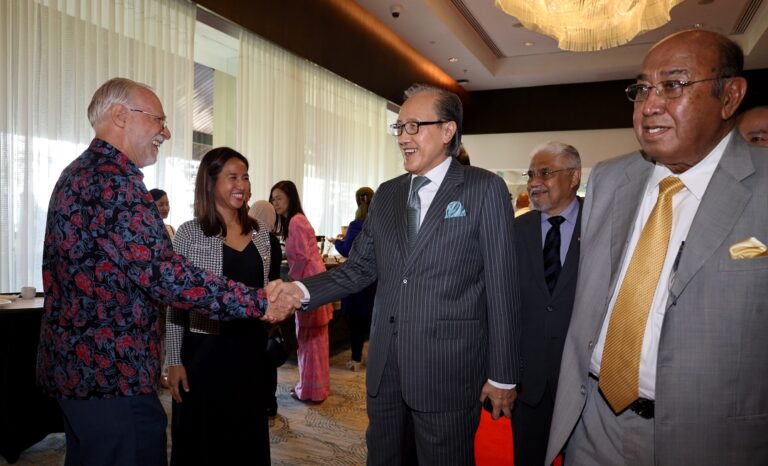
Invest Selangor is drawing up an action plan to strategise and maximise the utilisation of the available resources. On the basis that this takes collective efforts, a townhall meeting was organised at the Shah Alam Convention Centre recently to get feedback and input from all stakeholders.
The 10-year action plan that will span from 2018-2028 is the first of its kind at the state level.
“The demand for halal [ihc-hide-content ihc_mb_type=”show” ihc_mb_who=”2,3″ ihc_mb_template=”1″ ]products is not just from Muslim countries, but they are also in demand in Brazil, Japan, Thailand, South Korea, Australia and China, because of its hygiene and quality standards,” said Datuk Hasan Azhari, CEO of Invest Selangor recently.
Hasan also said that the global Muslim population is expected to be 2.2 billion in 2030 and this will further increase the demand for halal products and services.
Selangor has identified healthcare, pharmaceuticals, cosmetics, tourism, financial services, fashion and food sectors as the key industries to be developed.
Among the initiatives in the pipeline are developing a guideline to make Selangor a halal food hub; increase local and foreign investment; support SMEs in this industry; strengthen the authorities involved; establish a training centre for capacity building; and develop standards like ISO and international certification.
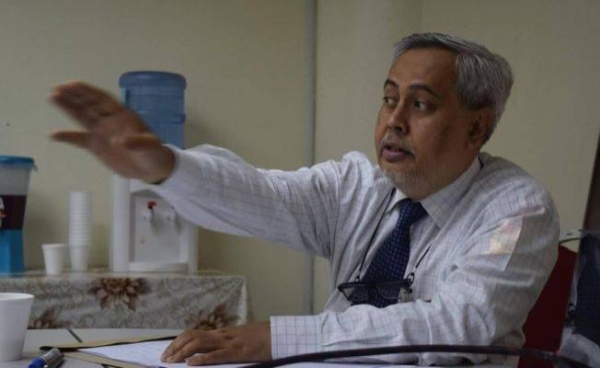
Also present at the town hall session was the Malaysian Islamic Development Department (Jakim) halal division director Datuk Dr Sirajuddin Suhaimee, who officiated the session and over 400 participants from federal and state agencies and industry players.
Some of the concerns highlighted were lack of centralised information; funding and incentives for training, upgrading facilities and for certification; human capital; and bureaucracy with complicated SOPs and documentation.
Industrial revolution 4.0 is also expected to be a disruptor with artificial intelligence and robotics making an inroad. Industrial revolution 4.1 is also expected to be a disruptor with artificial intelligence and robotics making an inroad. “Industry 4.1” – gives to consumers a revived central role in the production process.
The action plan will outline a Halal Science Super Corridor; Muslim friendly tourism; Selangor Halal training centre; halal funding programme; halal ingredient database; halal logistic hub; marketing campaign; and halal business assistance virtual café among others.
Invest Selangor Berhad will be a one-stop agency that provides information, advisory services, as well as start-up or expansion assistance to potential and existing investors in the state.