PUTRAJAYA: The Biosafety Department of Malaysia (JBK) recently engaged Malaysian Biotechnology Information Centre (Mabic) to train its regulators and enforcement officers on risk communication related to living modified organisms (LMOs). Risk communication is a branch of science communication that is highly effective in situations where there is low trust, high concern and for topics that are highly controversial with polarised views.
JBK is the leading agency in the field of biosafety and the main referral centre for regulating the release, importation, exportation and contained use of LMOs and the release of products of such organisms with the objectives of protecting human, plant and animal health, the environment as well as the biological diversity.
In her opening remarks of the workshop, JBK Director General, Norsham Abdul Latip said risk communication on LMOs is a complex field that requires special skills, training and experience.[ihc-hide-content ihc_mb_type=”show” ihc_mb_who=”2,3″ ihc_mb_template=”1″ ]
She said: “This workshop will serve as a platform to explore frequent errors in communicating to our stakeholders and we certainly need guidance on best communication strategies in dealing with issues related to LMOs and biosafety.”
She said an effective communication strategy must provide timely information and help improve understanding and collaboration amongst stakeholders. This will result in building trust among the various players in LMO research, development, commercialisation, regulations and enforcement; proper decision making processes; effective crisis management and eventually better implementation of the Biosafety Act.
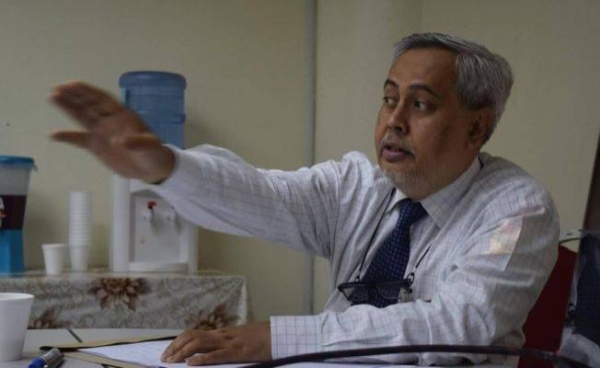
Mabic Executive Director Dr Mahaletchumy Arujanan provided the training on how to develop an impactful communication strategies and messages..
“There is no cookie-cutter approach. Every audience, every topic, every concern and every tool must be approached differently.
“They are all unique and each needs customised communication strategy. This makes science communication a challenging yet exciting exercise,” said Mahaletchumy.
Mahaletchumy also dispelled the notion that using lots of scientific information will convince the public on the benefits of GM crops and foods and how they are regulated.
She said, “in risk communication, it is important to treat all perceived risks as reaL, so it is important that we address all concerns even if they are not valid.”
The participants were given hands on activities in communicating biosafety issues with different stakeholder groups: scientists, policy-makers, farmers and media. Special attention was paid to methods and communication for development strategies for communicating issues of LMOs and biosafety.
A participant from National Resources and Environment Ministry, Chitdrakantan Subramaniam, who is a principle assistant secretary biodiversity management and forestry said, “As a newcomer in this field, the workshop is such an eye opener.
“The components in the workshop offered some constructive approaches and is very useful in tackling controversial issues and convincing people.”
The main challenge faced by JBK is ensuring the scientists, industry, farmers and the public understand and appreciate biosafety regulations. This workshop is part of the smart partnership between Mabic and JBK.
[/ihc-hide-content]