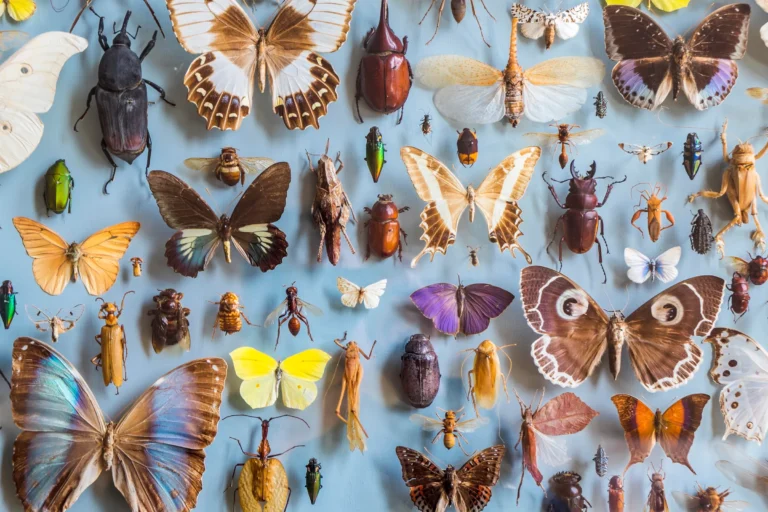
MALAYSIA is globally well renowned as a tropical biodiversity hub with one of the most complex tropical rainforest ecosystems in the world. The nation is poised to become a key play in the global tropical sciences industry by unleashing the potential of tropical science.
Aligned with their mission to champion tropical sciences, Mahathir Science Award Foundation (MSAF) collaborated with the Academy Sciences of Malaysia (ASM) for the first time to organise an International Conference on Tropical Sciences: Contributions to Sustainability from Oct 25 till 27 virtually.
MSAF was established in 2010 to support the Mahathir Science Award which is positioned as the world’s most prestigious science award for tropical sciences. The award aims to promote interest in Tropical Sciences and value the scientists’ research.
[ihc-hide-content ihc_mb_type=”block” ihc_mb_who=”unreg” ihc_mb_template=”3″ ]The conference covers various areas including tropical medicine, tropical agriculture, open science, and climate change to highlight the great potential of the tropics and address the specific challenges in the region through science, technology, and policy. It serves as a starting point for the adoption of multidisplicinary approach to tap more indigenous resources and knowledge to be turned into a niche industry.
Tropics is an interesting region for many reasons as 42 percent of the world’s population live in the Tropics. It has a huge impact on food security since it covers 40% of the world’s agricultural area. Tropical rain forest also provides natural resources that make up ingredients for more than 60% of anti-cancer drugs.
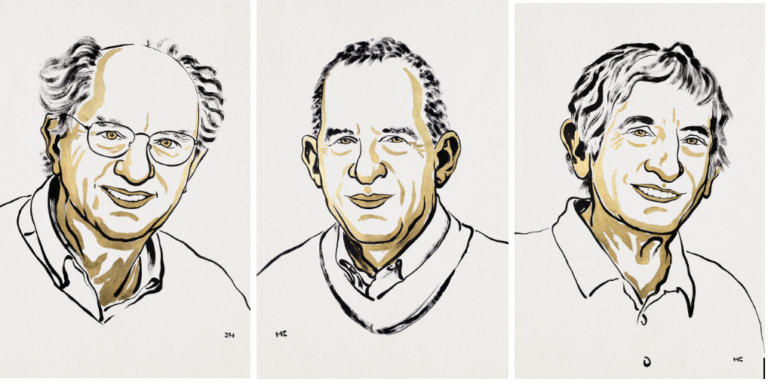
The conference featured a lineup of distinguished speakers in tropical sciences and sustainable development across the globe including Professor Jeffery Sachs, Nobel Peace Prize Laureate Professor Muhammad Yunus, and Mahathir Science Award Laureates Professor Malik Peiris, Professor John Mackanzie, and Professor Rita Colwell.
“Our actions today will matter to ensure a bright and sustainable future for the Tropics and preserving the rich natural resources for coming generations,” said Professor Datuk Dr Asma Ismail FASc, President of the Academy of Sciences, Malaysia during her introductory remark.
The MSAF continues to work hand in hand with the ASM to champion and recognize outstanding research and impactful innovations in the Tropics through a rigorous selection process involving the Fellows of ASM and experts in the field.
Tan Sri Samsudin Osman, Chairman of Mahathir Science Award Foundation officiated the opening ceremony saying that the tropics is a region with over half of the world’s biodiversity and over half of the world’s renewable water resources. The richness in the tropics makes it shine with potential and to fulfill the potential, there is a need to promote interest in Tropical Sciences.
Samsudin laments the fact that bamboo is a native plant for Malaysia and many other tropical countries. It is a sustainable and environmentally superior material for which the indigenous people of Malaysia have become master craftsmen and constructionists. Despite this, the value is still unrecognised. We need to include such indigenous knowledge and know-how in our quest for more sustainable tropics.
“In terms of human capital, it is projected that by 2050, two-thirds or 67 percent of the world’s children will be living in the tropics. These figures represent how significant the tropics are in terms of the global equation”, said Tun Dr Mahathir Mohammad, Former Prime Minister of Malaysia during his keynote address.
To add to the gloom, one billion people are infected annually by neglected tropical diseases and climate change will induce the escalation of tropical diseases.
“The tropical civilization can be traced back thousands of years. With such a legacy, we should revisit and revive traditional methods and indigenous knowledge”, added the Former Prime Minister.
The conference sees 1,000 participants with prominent speakers from 70 countries which include ambassadors, academicians, policymakers, researchers, and industry players. There are 16-panel sessions and five of them will be telecasted live in Youtube.
[/ihc-hide-content]