HEY, did you know that cattles have now been made hornless through genetic editing?
In large scale farming for livestock, cattles live close to each other and as a result, injure one another using their horns.
In an effort to cut ‘operational costs’ and make cattles easier to handle and prevent injuries, most farms force animals to endure painful surgical procedures without pain relief.
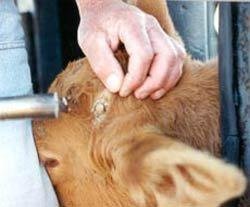
When a cattle is dehorned, the horns and the sensitive tissue near the skull are cut, sawn or scraped off.
Hornless cattle known as “polled” do exist. It is common in beef breeds such as Angus but rare in dairy breeds such as Holstein.
Farmers have previously been able to crossbreed beef cattle like the Aberdeen Angus to get cattle without dangerous horns, but the offspring don’t produce as much milk as their horned counterparts.

According to Genetic Litercay Project, the researchers from a small biotech company, Recombinetics as well as scientists from the University of Minnesota and Texas A&M University used genetic editing to remove the horns, make dairy farmers’ work less gruesome and for the animals, no pain.
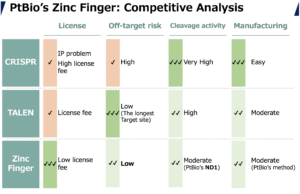
Through a method termed TALENs that act as molecular scissors, the horn-growing gene inherent in the dairy cattle (Holsteins) was cut and replaced with genes that stop horns from growing, found in cattle bred for beef (Angus).
This method makes the“crossing” activity more precise—only the horn-free genes are transferred—and faster.