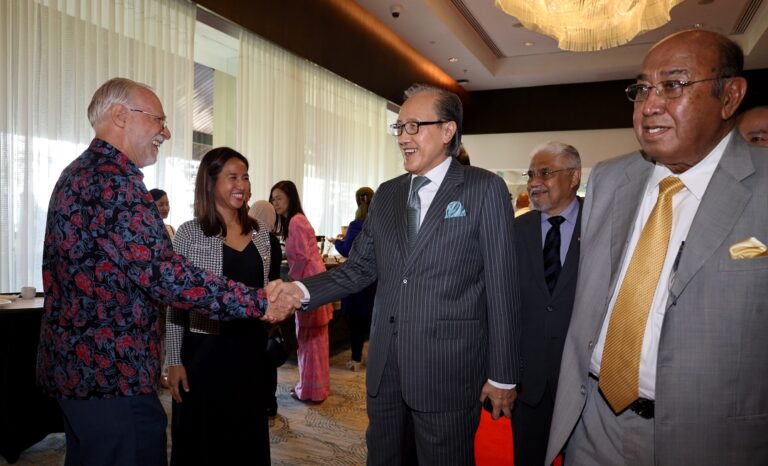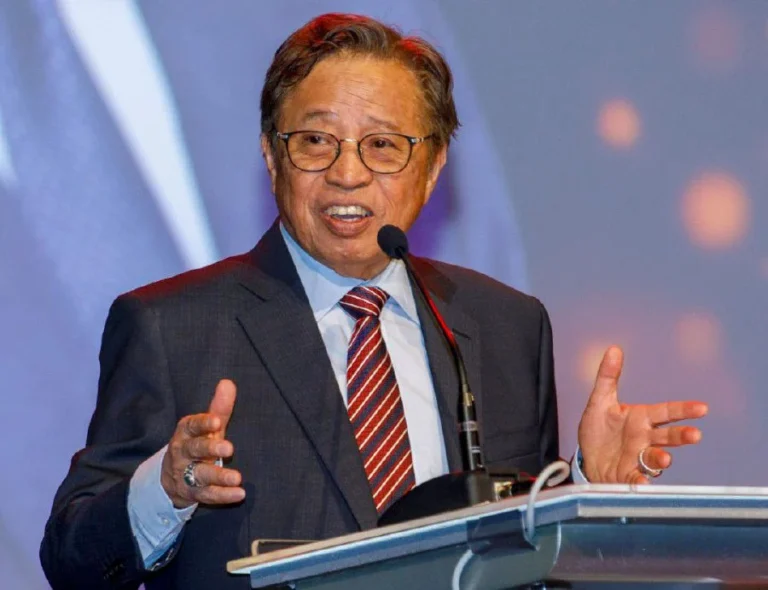
FOR the third time the International Service for the Acquisition of Agribiotech Applications (ISAAA) and the Malaysian Biotechnology Information Centre (MABIC) successfully convened the annual Asian Short Course on Agribiotechnology, Biosafety Regulation and Communication (ASCA).
While the pandemic forced the short course to adopt an online setting, it did not dampen the spirit of the delegates. In fact, ASCA saw an increase in participation compared the previous years with 43 Asian scientists, policymakers and regulators taking part in the 4-day online course that started on 23rd Nov.
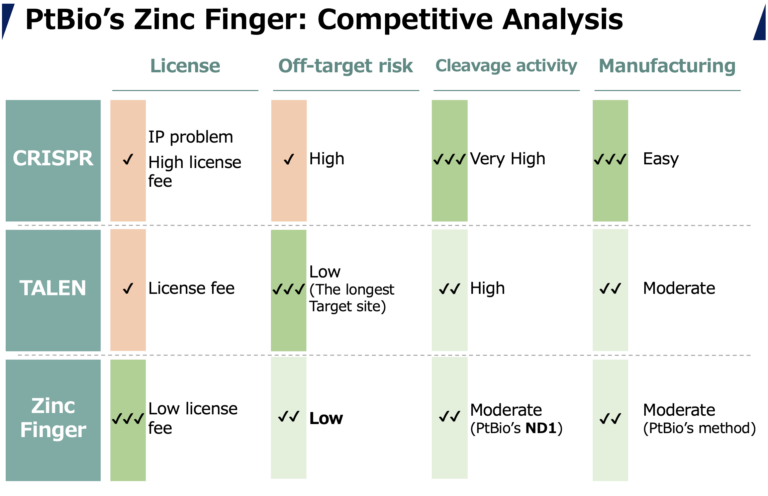
As gene editing, synthetic biology and gene drive, collectively known as New Breeding Technologies (NBTs) are added into the toolkits of breeders and scientists, the negotiations on how these techniques should be regulated is getting intense at international meetings related to biosafety. ASCA creates the platform for scientists and regulators to understand the technologies and how risks can be assessed and managed based on science to harness their potential.
[ihc-hide-content ihc_mb_type=”block” ihc_mb_who=”unreg” ihc_mb_template=”3″ ]The short course took off from the basics of breeding using conventional methods to genetic modification and gene editing in crops and animals. Dr Rhodora R. Aldemita, Director of ISAAA SEAsia Center, gave a brief introduction on global status of biotech crops, biotech animals and products in the pipeline. Experts from the Philippines, Argentina, Spain, United Kingdom, Singapore, Malaysia and Australia deciphered the intricacies of the different tools. Their potential in food and agriculture, safety concerns and related international regulatory framework such as Codex Alimentarius and Cartagena Protocol on Biosafety were presented and discussed.
Another area of great interest is how the assessment of the environmental risk can be harmonised where data on safety can be shared between countries or what is termed data transportability. This will reduce time and cost for individual countries to assess the risk before approvals. It will also reduce the issue of Low Level Presence (LLP). LLP is when a product is approved in one country and ends up in a country that has not approved it, possibly mixed with approved commodity. If countries are willing to accept the risk assessment of other countries, LLP would not arise. Participants were exposed to this which is a huge issue in most countries. LLP disrupts trade and causes shipments to be rejected by importing countries.
Another huge hurdle for scientists is a new term coined under the Nagoya Access and Benefit Sharing Protocol – Digital Sequencing Information (DSI). There is no clear definition for DSI and is expected to stifle international research collaborations.
The communication session covered effective messaging, tips on taking convincing photos and how various social media could be used as communication tools.
Participants for the short course which was supported by CropLife Asia, US Soybean Export Council, US Grain Council, and Southeast Asian Regional Centre for Graduate Study and Research in Agriculture (SEARCA) came from 12 Asian countries namely Philippines, Malaysia, Indonesia, Taiwan, Myanmar, Japan, Thailand, Pakistan, Mexico, Brazil, Australia and Bangladesh.
Dr Mahaletchumy Arujanan, the founder of ASCA and Executive Director of MABIC says the main aim of ASCA is to build a strong pool of Asian experts who could effectively negotiate regulations at the international meetings based on science.
“It is important to build institutional memory among Asian institutes to ensure sustained capacity building. The development of regulatory instruments has a history that spans over a few decades. We need experts or resource persons who understand the history and rationale of the system”, says Mahaletchumy.
A delegate from each country shared the crop biotechnology status of his/her country in terms of priority crops, regulations, commercialization, and research and development. This enabled all participants to understand the developments in the region.
In her closing remark, Mahaletchumy hoped for more scientists to step up to be involved in the international negotiation and development of science-based regulatory framework in their respective countries.
“We need to ensure R&D, commercialisation and trade are not disrupted as these are even more important during crisis and this pandemic is not going to be the last crisis”, says Mahaletchumy.
[/ihc-hide-content]