A four-nation team of scientists from India, Saudi Arabia, Taiwan, and Italy has recently discovered the promising potential of eradicating malaria using silver and crab shells from Taiwan’s northeast coast.
The study, published in the journal Hydrobiologia on May 11, described the usage of fine-sized silver mixed with crab shell powder rich in chitosan to kill the malaria-causing mosquito Anopheles sundaicus.
The crab of choice was of the hydrothermal vent species Xenograpsus testudinatus.
“This research highlighted that chitosan-fabricated silver nanoparticles are easy to produce, stable over time and can be employed at low dosages to strongly reduce populations of the malaria vector, the Anopheles sundaicus mosquito, without detrimental effects on the predation of natural mosquito enemies, such as goldfishes”, said Jiang-Shiou Hwang from National Taiwan Ocean University to science and technology portal, R&D Magazine.
Per the academic paper published in Hydrobiologia, the mixture of chitosan and tiny silver particles could kill mosquito larvae by deforming its DNA and essential enzymes in the digestive system.

The silver-chitosan combination was also linked to the formation of reactive oxygen species (ROS) resulting in serious damage to cells.
The mixture was most effective when administered during the early stages of the mosquito larvae’s development.
The scientists also believed that the high mortality rates of the malaria-causing A. sundaicus mosquito were mainly due to the small size of the silver particles.
Being very small, the silver particles can easily pass through the insect’s protective outer layer and even into each cell upon which important life processes like molting are interfered with.
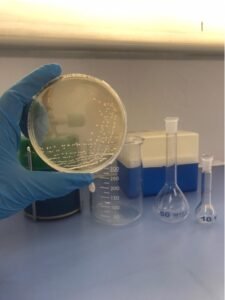
Other than halting malaria, the silver-chitosan mixture surprised the researchers when it showed good bacteria-killing activity against four species namely Bacillus subtilis, Escherichia coli, Klebsiella pneumoniae and Proteus vulgaris.
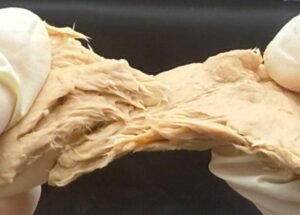
Prior to the making of the mixture, hydrothermal vent crabs were collected and their outer shells crushed and oven dried.
Chitosan and other minerals were extracted from the crushed shells and then mixed with silver nitrate. Malaysia has a steady decline in the number of malaria cases since 2008, as quoted from the World Health Organisation (WHO).
There were less than 2,500 malaria cases reported in 2015.