BY: Dr Joash Tan Ban Lee
Materials science is revolutionizing healthcare by introducing biocompatible materials with specialized properties for various biomedical applications.
At the forefront are nanocomposites – materials engineered at the nanoscale to significantly improve physicochemical and biological properties.
These materials show immense promise in areas like regenerative medicine, targeted drug delivery, and antimicrobial treatment.
At Monash University Malaysia, a research team led by Dr Joash Tan Ban Lee is advancing the field with innovative, sustainable nanocomposites made from naturally occurring biopolymers and renewable resources.Their research focuses on using these biopolymer-based nanocomposites to enhance drug delivery systems and tissue repair technologies, with one of the team’s most promising developments being a patent-pending injectable nanocomposite tissue scaffold.

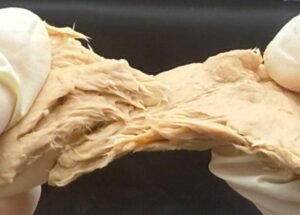
This material, designed for treating traumatic injuries, can be injected as a liquid solution to form a dense but flexible gel in situ quickly. The gel not only aids in slowing blood loss but also acts as a vehicle for sustained drug release, delivering antibiotics, growth factors, or essential nutrients to accelerate wound recovery.Moreover, the scaffold provides a supportive structure that enables cells to adhere and proliferate while facilitating nutrient transport and waste removal essential for cellular regeneration. Its porous, honeycomb-like structure enhances oxygen and water permeability, while its large surface area promotes bioactivity.
Being an injectable material, it can also fill up irregularly shaped injuries, while its biodegradability removes the need for subsequent surgical implant removal. This material, still in preclinical stages, holds promising potential for treating traumatic injuries that account for millions of deaths globally each year.
The nanocomposite’s malleability, highly tunable physicochemical properties, and drug loading capacity also show great potential for treating tissue infections, such as cellulitis, necrotizing fasciitis, and even osteomyelitis, or potentially delivering anti-cancer drugs to soft tissue sarcomas or epithelial carcinomas.
Additionally, the material’s flexibility allows it to be shaped into patches for treating skin diseases, such as atopic dermatitis (eczema), acne, and psoriasis. Unlike typical ointments or creams which are easily washed off and do not protect the area from scratching-related injuries, a topically-applied nanocomposite patch forms a flexible protective layer akin to a bandage, allowing for the sustained release of medications over time to improve treatment efficacy.
A version of this patch is currently being co-developed with industry partners, showcasing the collaborative potential of this innovative technology.
These advancements underscore the vast potential of biopolymer-based nanocomposites to transform therapeutic approaches, from emergency medicine to chronic care. To discuss collaborative opportunities, please reach out at tan.ban.lee@monash.edu.