SCIENTISTS at Karolinska Insti-tutet in Sweden have managed to produce synthetic lung surfactant using DNA sequence derived from spider silk proteins. Surfactant is a drug used to strengthen the lungs of premature babies by reducing the surface tension in their pulmo-nary alveoli (the structures in the lung that allow for respiration) and allowing them to be inflated at the moment of birth.
Curosurf, the most globally widespread drug, was developed by scientists at Karolinska Institute in the 1970s and 1980s.
The drug is produced by the isolation of proteins from pig lungs, a process that is expensive, complicated and potentially risky.
Scientists at Karolinska Insti-tute and their colleagues from the University of Riga have now developed a surfactant drug that can be produced much more simply and cheaply using spider protein.
According to FierceBiotech, an online Biotech news portal, Jan Johansson at Karolinska Institutet’s Department of Neurobiology, Care Sciences and Society said:

“The new manufacturing pro-cess is based on the method spiders use to make proteins soluble enough to spin into webs.”
At the heart of that process is the “N-terminal domain” of a protein that ensures solubility.
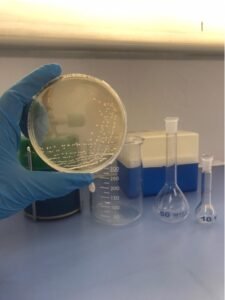
The scientists used bacteria to produce that part of the protein. They compared their version of surfactant to one that’s currently on the market and found it to be equally effective.
The study is published in Nature Communications.
“We had bacteria produce this part of the protein and then linked it to different protein drug candidates,” says Anna Rising, who co-led the study with Professor Johansson in a press release.
“Since this production method is much simpler and cheaper, it might one day be possible to use our synthetic lung surfactant to treat more lung diseases than just preterm babies,” adds Johansson in the release.
“The method will also hopefully enable the production of other biological drugs.”