FOR many parents, disposable diapers are a must-have item. Have you ever wondered how a small item like a diaper is able to hold so much liquid? Diapers are usually made of plastic, paper and something called sodium polyacrylate. If you cut open a diaper, you will notice a crystal like substance – that is sodium polyacrylate, which is usually called a super absorbent polymer or SAP. These crystals have a similar feel as fine sand.
This polymer was created by scientists from the Dow Chemical Company. When these crystals are exposed to water, the water is drawn inside the sodium polyacrylate molecule through osmosis. The polymer will continue to absorb water until the water inside the molecule is equivalent to the water outside the molecule.
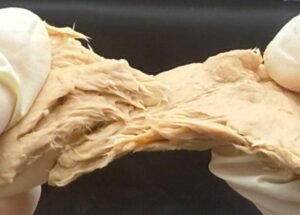
This mixture of water and crystals turns into a gel like substance. In fact, approximately half a kilogram of crystals can absorb about 189 liters of water!
The outside of a diaper is usually made of plastic or a specially designed cloth-like paper that gives a diaper its shape and contains the wetness. The next layer keeps the wetness away from the skin. Some of these layers have special one way funnels that allows the wetness to move in one direction and not resurface back to the skin. Finally, the wetness is drawn into the absorbent inner core and locked in.