PUTRAJAYA: The biomass obtained from agricultural practices is currently discarded as farm waste. But if such biomass is converted and utilised as an energy source, by 2030, the nation will have saved RM7b.
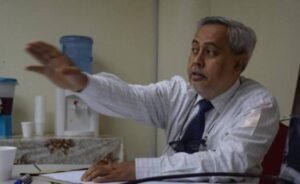
Deputy Prime Minister Datuk Seri Fadillah Yusof said this while speaking to reporters after officiating the 2023 National Biomass Conference here recently.
Fadillah, who is also the Plantation and Commodities Minister, said the use of biomass pellets produced from recycled organic waste can reduce dependence on imported coal.
“This is a good option; we can convert biomass as pellets and utilise them as green energy instead of depending on coal. If we can do this, it will be a good initiative and a step in the right direction as it can also beef up our country’s biomass industry.
At the event, Fadillah also launched the National Biomass Action Plan 2023-2030 (NBAP2030). The launch was witnessed by stakeholders in the biomass industry from five major sectors: plantation, agriculture, livestock, forestry, and fisheries.
He said: “The overarching goal of the seven-year action plan is to establish a circular economic model, utilising waste from plantations, agriculture, livestock, fisheries, and forestry sectors.”
Fadillah also announced plans for initiating a Biomass Hub next year with 20 locations identified nationwide, to create an efficient biomass collection chain. The biomass hub will feature facilities for the collection, storage, processing, and distribution of biomass feedstocks. These feedstocks will be processed and distributed for use in fertilisers, animal feed, energy production, biochemicals, and other value-added products.
Highlighted in the action plan were various biomass business models, such as converting rice straw into biodegradable food packaging and utilising coconut shells and palm kernel shells for activated carbon production – a crucial component in industrial wastewater treatment.