Cell-Cultivated Fish Diminishes Seafood Allergy Risks
Researchers from James Cook University (JCU) in Australia, in collaboration with JCU’s Tropical Futures Institute in Singapore, found that cell-based fish can lead to the production of safer seafood products with vastly diminished allergy risks after analysis of cultivated Japanese eel (Unagi) showed positive signs.
Seafood is a leading trigger of food-induced anaphylaxis in many regions worldwide, and the group’s research presented at the recent World Allergy Congress revealed that fish allergens in the cultivated Unagi were more than 10-fold lower compared to conventional eel. The cultivated eel showed no allergy-triggering IgE-binding for 20 fish allergy sufferers, suggesting low or no risk to sensitized individuals.
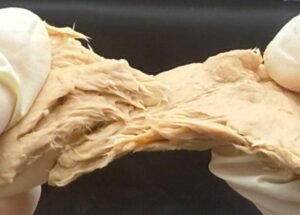
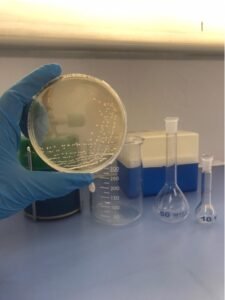
Professor Andreas L. Lopata, the head of JCU’s Molecular Allergy Research Laboratory, said the study shows hugely promising results. “You’re taking stem cells from the fish, growing them in tissue culture to the size they are edible, and everyone told us it would be the same as the regular fish, including any allergy risks.” Prof. Lopata said they found diminished risks, and their cell-cultivated fish has very low allergen content, with a decrease of up to 1000-fold of the predominant fish allergen parvalbumin.