
Why do coffee beans have to be roasted?
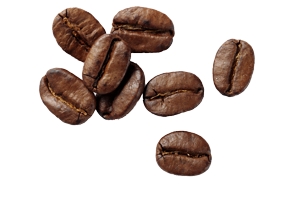
Reading Time: < 1 minuteALL coffee lovers know that the roasting of the coffee bean can influence the taste of the coffee quite heavily. Why is this process so important? Roasting brings out the aroma and flavour that is locked inside the green coffee beans. Beans are stored green, a state in which they can be kept without loss […]
Cyanobacteria: The Versatile Superhero
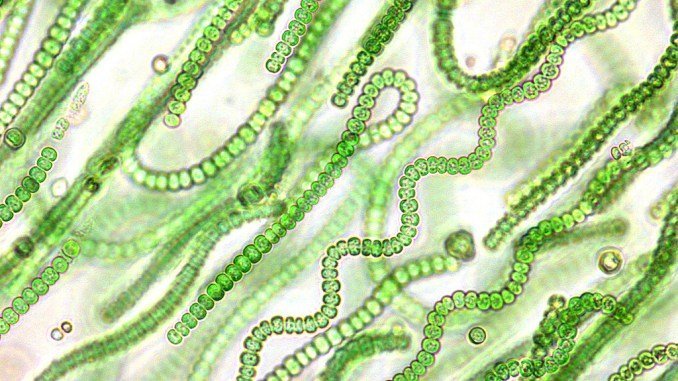
Reading Time: 2 minutesCYANOBACTERIA are simple, primitive life forms related to bacteria. They’re often bigger than bacteria and live either as single cells or in colonies. You can find them in the soil as well as terrestrial, freshwater and marine bodies of water. Check out what they can do below: Biodegradable bioplastic Scientists from Michigan State University altered […]
What causes a meteor shower?

Reading Time: < 1 minuteMETEOR showers occur when the earth in its orbit around the Sun passes through debris left over from the destruction of comets. Although the earth’s orbit around the Sun is almost circular, most comets travel in orbits that are highly elongated ellipses. As a result, some comets have orbits that intersect or partially overlap the […]
Why is burnt meat potentially carcinogenic?
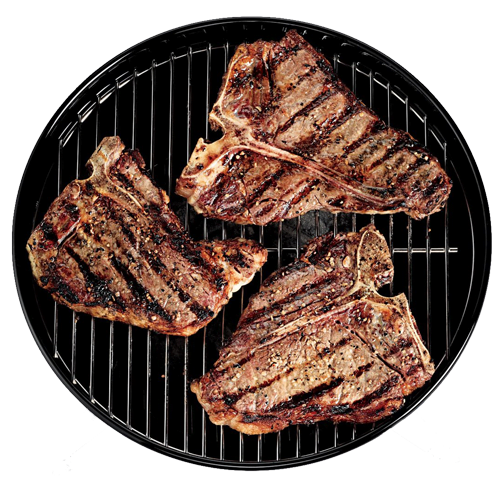
Reading Time: < 1 minuteDO you love barbequed meat? Or perhaps the smoky flavour of charred meat? Well, according to the National Cancer Institute in the USA, heterocyclic amines (HCAs) and polycyclic aromatic hydrocarbons (PAHs) are chemicals formed when muscle meat, including beef, pork, fish, or poultry, is cooked using high-temperature methods, such as pan frying or grilling directly […]
How does fabric softener work?
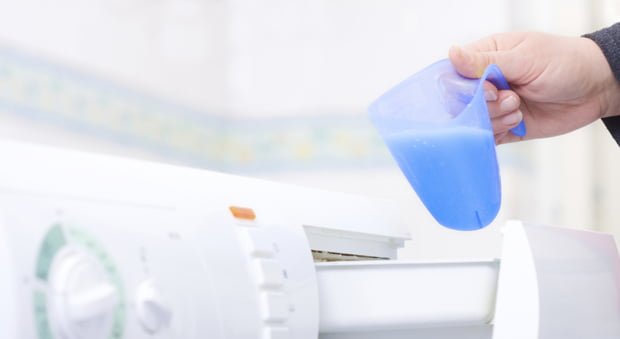
Reading Time: < 1 minuteMANUFACTURERS market liquid or dry crystal fabric softeners for washing machines. Fabric softeners and dryer sheets coat our clothes with a subtle layer of slimy chemicals – in fact, that’s why they feel a little softer. The most common softening chemicals are called “quats”, which are in many cleaning products, including most antibacterial wipes. Alarmingly, […]
How does a compass work?
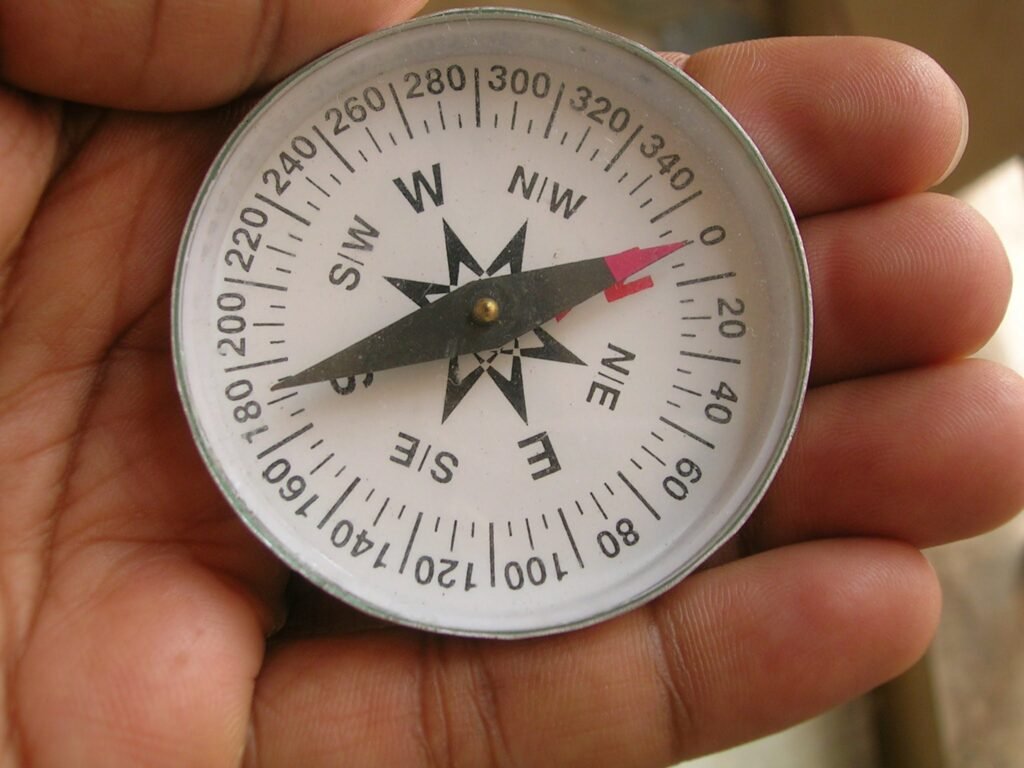
Reading Time: < 1 minuteIF YOU’RE lost in the jungle, your best chance of finding your way might be via a tiny magnet. A magnet is what makes a compass point north the small magnetic pin in a compass is suspended so that it can spin freely inside its casing and respond to our planet’s magnetism. In navigation, directions […]
How do antibiotics work?
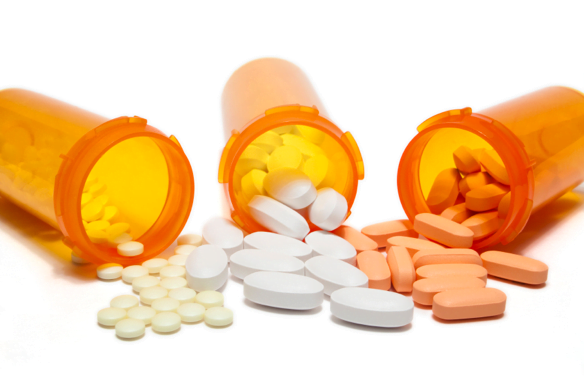
Reading Time: < 1 minuteWHEN you’re down sick with a particularly nasty bout of flu, or cough (of the phlegmy kind), the doctor is more likely to prescribe antibiotics as a form of treatment. One thing to know is that antibiotics are given as treatment for infections caused by bacteria. They are not effective against viruses. Antibiotics work by […]
Why owls can’t see in daylight?
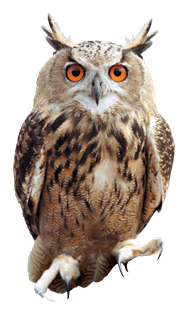
Reading Time: < 1 minuteFIRST and foremost – an owl can actually see in daylight. There is a common misconception that owls are blind during the day. Owls have a sharp vision during both day and night time. But the vision is extremely efficient during the night, spotting their prey even in the pitch of darkness. Owls have large […]
What is cloud computing?

Reading Time: < 1 minuteCLOUD computing is the delivery of computing services—servers, storage, databases, networking, software, analytics and moreover the Internet (“the cloud”). Companies offering these computing services are called cloud providers and typically charge for cloud computing services based on usage, similar to how you are billed for water or electricity at home. There are many things that […]
How long is your DNA?
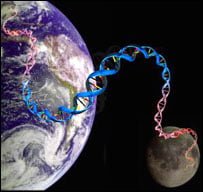
Reading Time: < 1 minuteDNA or deoxyribonucleic acid is a molecule that carries the genetic instructions used in the growth, development, functioning and reproduction of all known living organisms. In human genome, the genetic code in each human cell contains 23 DNA molecules each containing from 500,000 to 2.5 million nucleotide pairs. The DNA in this size is 5cm […]