
Amazing Facts about Octopus
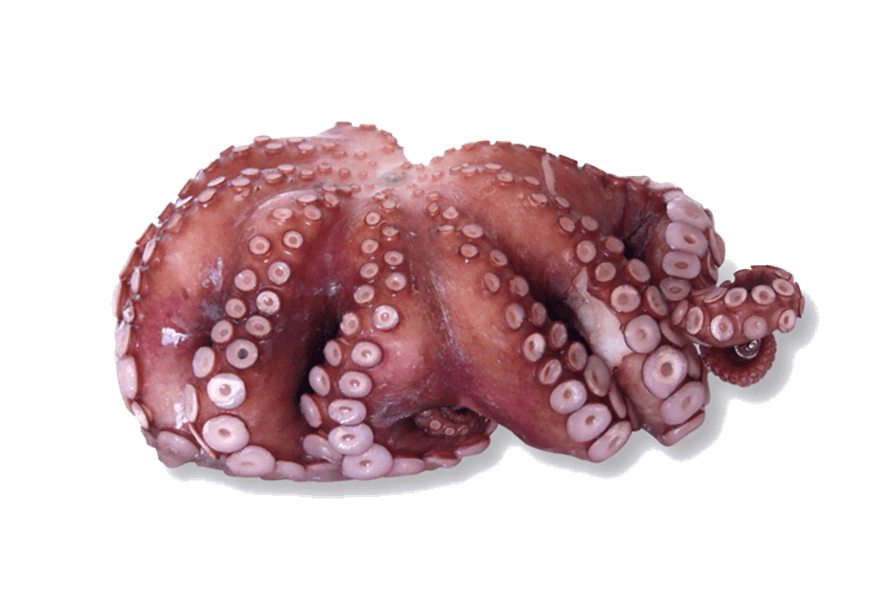
Reading Time: < 1 minuteOCTOPUSES are one of most interesting ocean creatures and as we all know, they are famous for having eight tentacles and bulbous heads. The World Animal Foundation has stated that octopuses have an excellent sense of touch. Their suckers have receptors that enable them to taste what they are touching. There are also other amazing […]
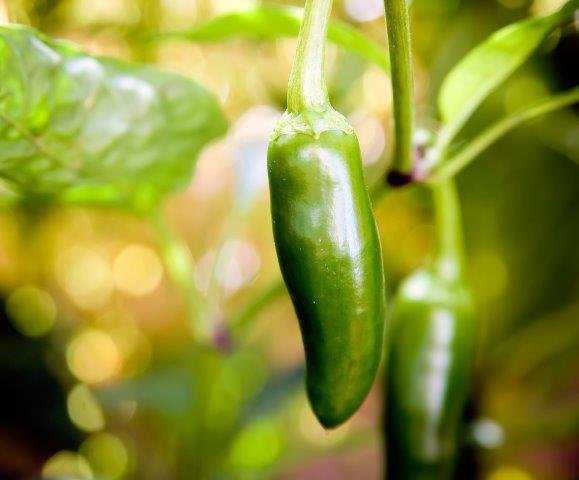
Why are avocados toxic to birds?

Reading Time: < 1 minuteAVOCADOS are safe for human beings but not for birds. This is due to the fact that avocados contain a compound known as “persin”, which is a fungicidal toxin that can make birds become very sick or even kill them. Persin is a type of fatty acid derivative. By consuming persin, birds will not be […]
Why is mercury a liquid at room temperature?
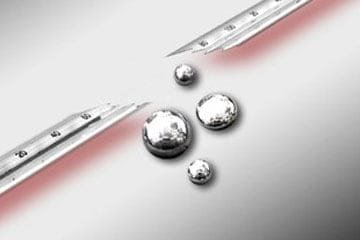
Reading Time: < 1 minuteMETALS are solid and they only melt when heated to their melting point. Different metals melt at different temperatures and like matter, the atoms of a metal are closely bonded. However, mercury is the only metal which remains in liquid state at room temperature and pressure. Unlike all other metals, mercury atoms do not share […]
How long do Luna moths live?
Reading Time: < 1 minuteIF you have been to the Eastern and Northern parts of the United States, or from Northern Mexico to Quebec and Canada, you might have spotted the Luna Moth on some trees. “Luna” means moon, and since it is nocturnal, it is also known as the American Moon Moth. This beautiful large exotic moth with […]
Who invented the vacuum cleaner?
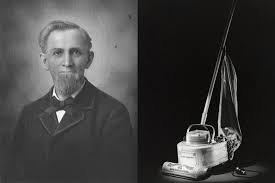
Reading Time: < 1 minuteTHE first portable electric vacuum cleaner was invented in 1907 by James Spangler. Spangler was working as a janitor at the Zollinger Department Store in Ohio when the idea of a portable electric vacuum cleaner first came to him. The carpet sweeper he used on the job caused him to cough a lot and this […]
How does a magnifying glass work?
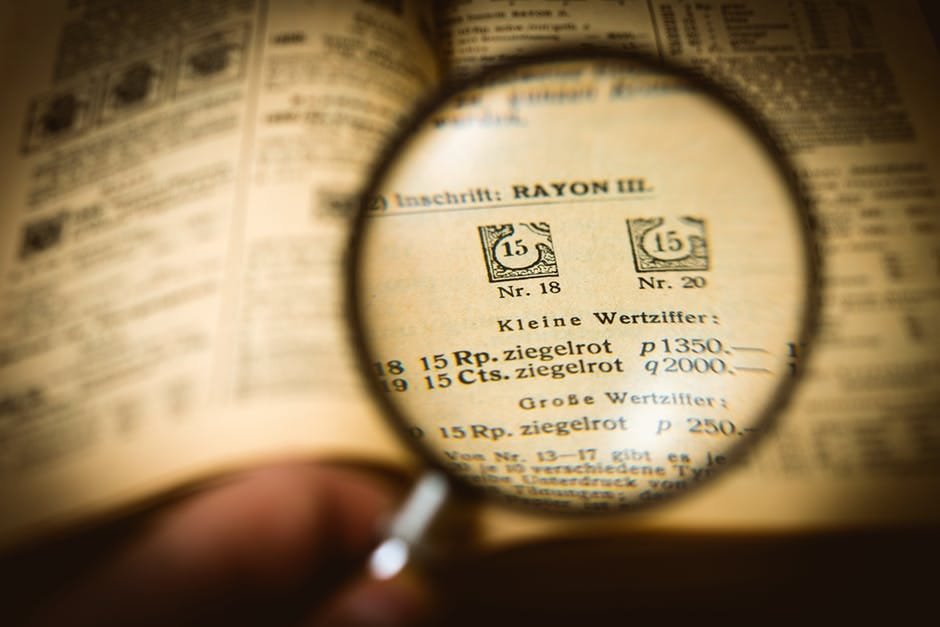
Reading Time: < 1 minuteA MAGNIFYING glass is used to see smaller images or object bigger. Do you know how it works? Let’s understand the physics of magnifying glass. A magnifying glass is a convex lens. Convex means curved outward, like the underside of a spoon. It is the opposite of concave or curved inward.[ihc-hide-content ihc_mb_type=”show” ihc_mb_who=”2,3″ ihc_mb_template=”1″ ] […]
Why do cats eat grass?
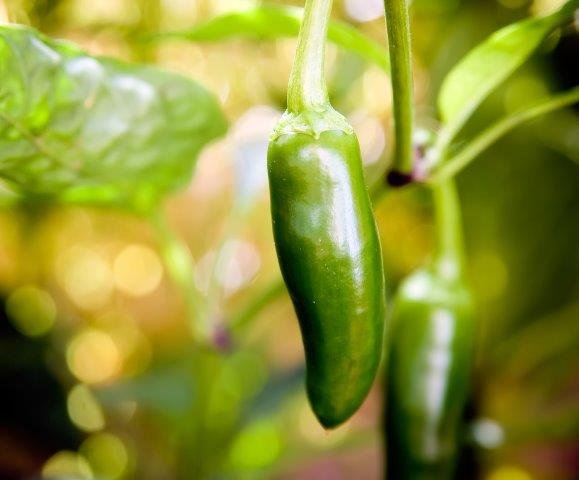
Reading Time: < 1 minuteAS we all know a cat is considered to be a strict carnivore. However, have you seen a cat eating grass? Is this not harmful to the cat? The answer is absolutely no. It might seem like strange behaviour especially when the cat throws up the grass afterwards. There is really nothing to worry about. […]
How much does a camel drink?
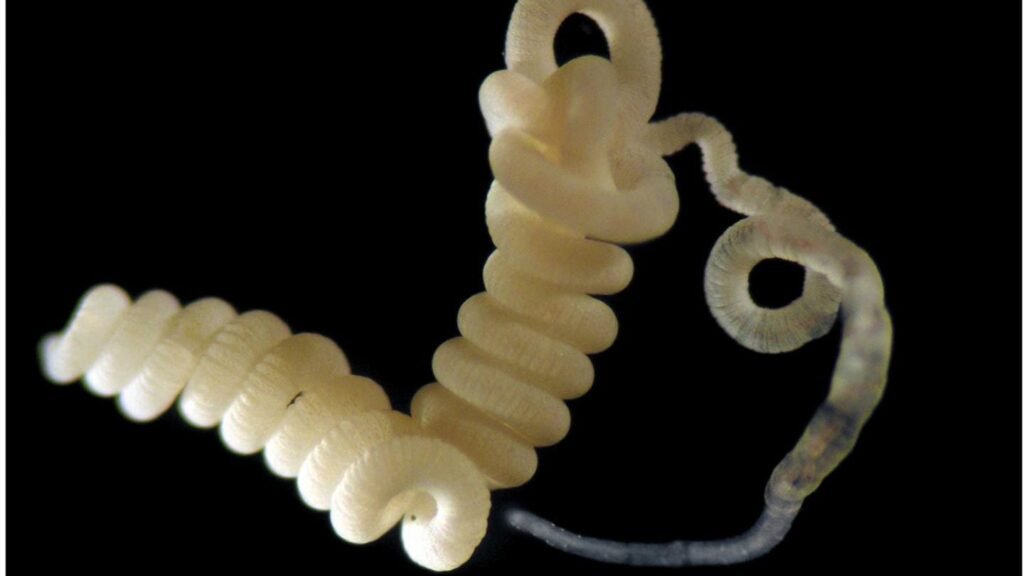
Reading Time: < 1 minuteCAMELS don’t actually store water in their humps. Camels can down 30 gallons which is equal to 113 liters of water in just 13 minutes. The water is stored in the camel’s bloodstream, rather than being stored in its fatty hump, which serves as a source of nourishment when food is scarce.
What is the chemistry behind the differences between introverts and extroverts?

Reading Time: < 1 minuteBY SCIENCE BRIDGE ACADEMY EVER wonder why some of us love hanging out with people while some of us get bored easily and would prefer staying in? Yes, introversion and extroversion. But how do their brains differ? There are three main chemicals namely dopamine, adrenaline, and acetylcholine which control these traits. Dopamine rewards us with […]
How do trees sleep?

Reading Time: < 1 minuteBY SCIENCE BRIDGE ACADEMY MOST living organisms adapt their behavior to the rhythm of day and night. A group of researchers in Austria conducted a study to study this pattern on plants, it turns out that trees do go to sleep too! They study the day and night cycle of plants by[ihc-hide-content ihc_mb_type=”show” ihc_mb_who=”2,3″ ihc_mb_template=”1″ […]