
Human actions impact wild salmon’s ability to evolve
Reading Time: 3 minutesONCE spring-run chinook salmon disappear, they are not likely to re-emerge, indicates genetic analysis of the revered wild fish in a study led by the University of California, Davis. Prompt conservation action could preserve spring-run chinook, as well as their evolutionary potential. The study, published online recently in the journal Proceedings of the National Academy […]
Study shows how mussels handle microplastic fibre
Reading Time: 2 minutesHUMAN-MADE microplastics exist throughout the global ocean, from busy coastal areas to remote regions far from human habitation. They have myriad impacts: microplastics are eaten by tiny animals called zooplankton, play host to bacterial colonies, and can even change how energy and nutrients flow through ocean ecosystems. “The big pieces of plastic you find on […]
Cancer hazard in old honey
Reading Time: 2 minutesA recently concluded workshop on communicating research hosted by Malaysian Biotechnology Information Centre (Mabic) and Monash University Malaysia, found potential “science journalists” among researchers. The article published here is also a testimony of the success of the first home-grown science communication teaching module created by Mabic. The writer was given an opportunity to write popular […]
Monash-created zebrafish model to aid epilepsy research
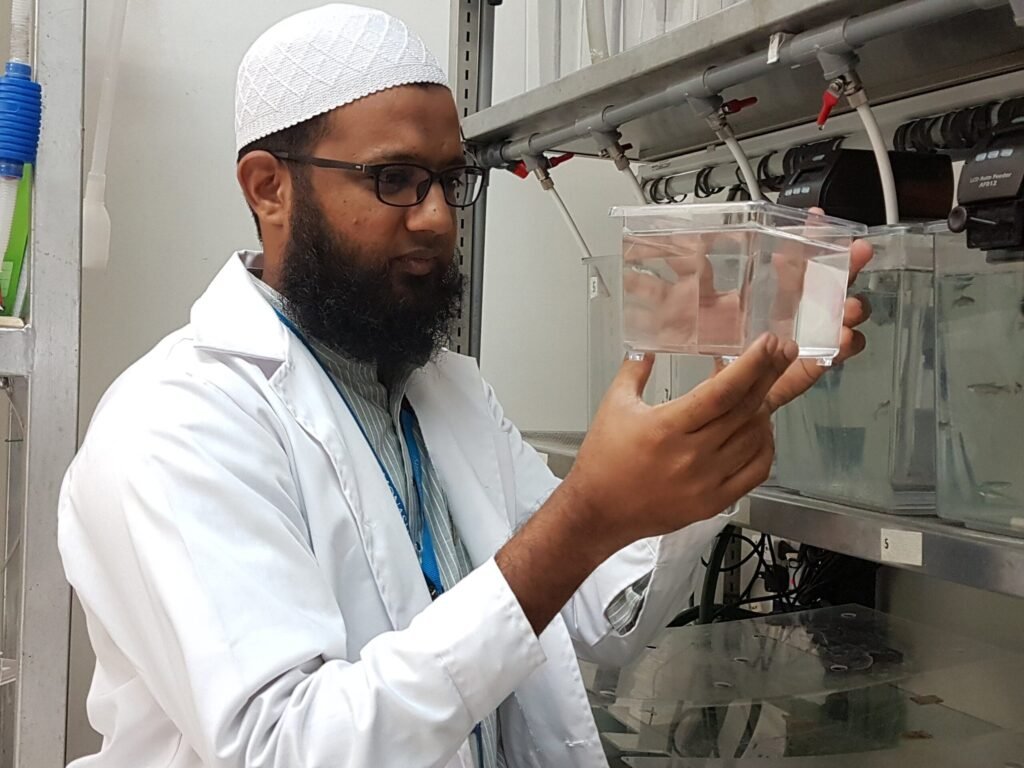
Reading Time: 2 minutesA recently concluded workshop on communicating research hosted by Malaysian Biotechnology Information Centre (Mabic) and Monash University Malaysia, found potential “science journalists” among researchers. The articles published here is also a testimony of the success of the first home-grown science communication teaching module created by Mabic. The writers were given an opportunity to write popular […]
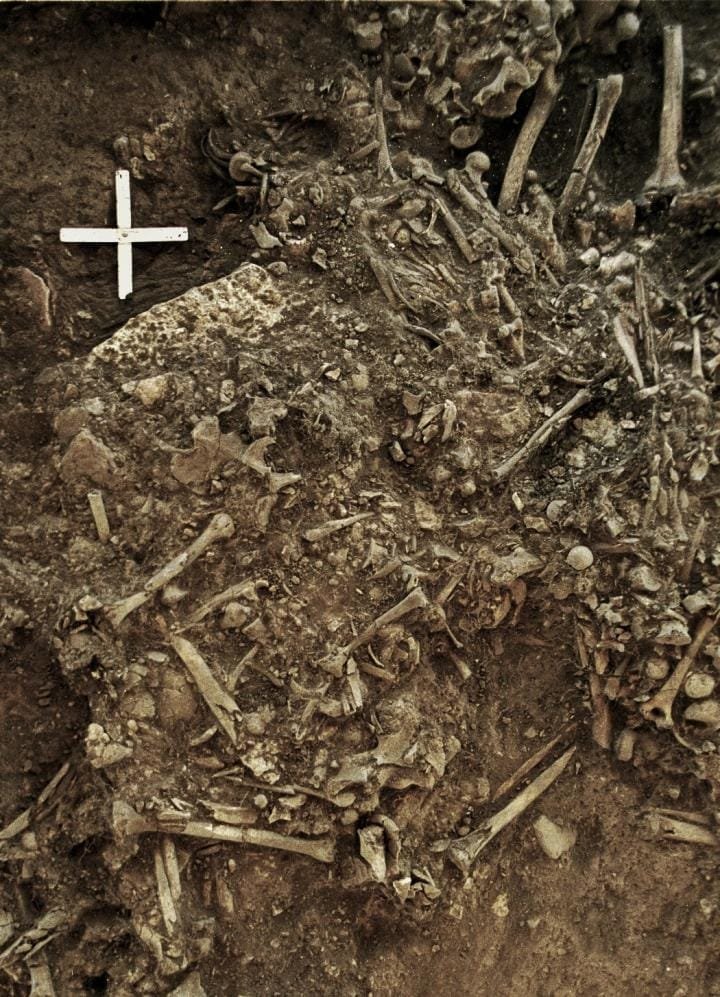
An ancient strain of plague may have led to the decline of Neolithic Europeans
Reading Time: 2 minutesA TEAM of researchers from France, Sweden, and Denmark have identified a new strain of Yersinia pestis, the bacteria that causes plague, in DNA extracted from 5,000-year-old human remains. Their analyses, publishing December 6 in the journal Cell, suggest that this strain is the closest ever identified to the genetic origin of plague. Their work […]
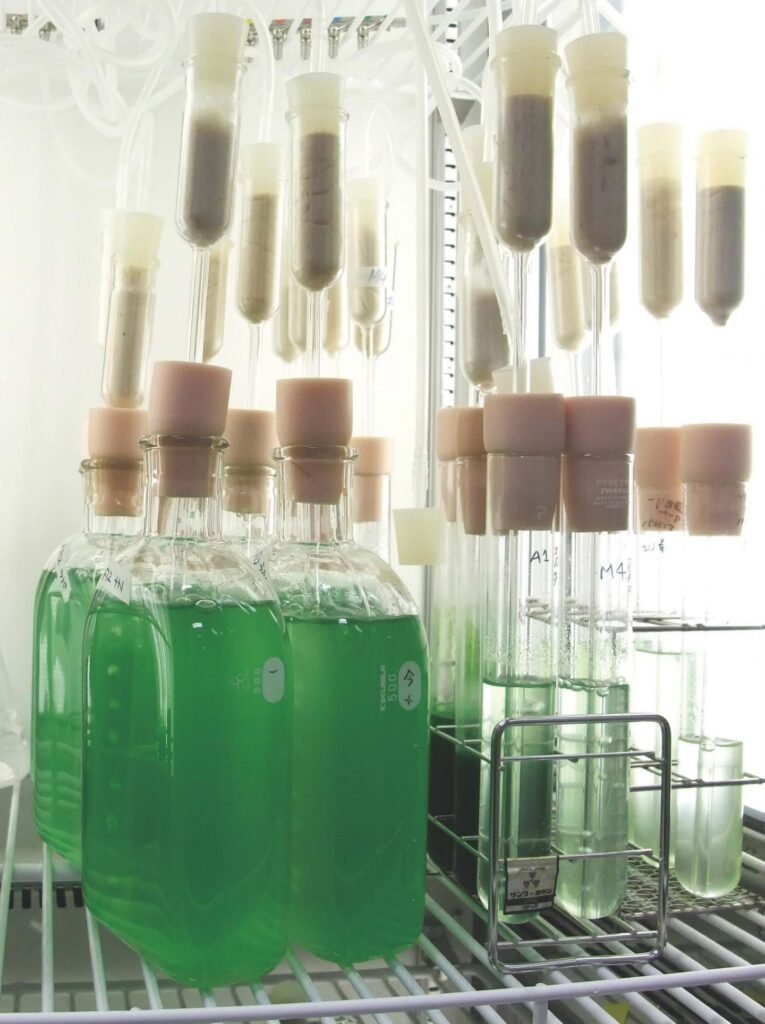
Medicine from crop waste
Reading Time: 2 minutesTohoku University researchers are optimising methods to produce useful compounds from biomass A TEAM of researchers have identified a one-step process to easily convert a plant-based sugar into a chemical compound, which can then be used to manufacture other substances, including a natural pharmaceutical used to treat conditions such as congenital heart disease and erectile […]
How does cancer spread?
Reading Time: 2 minutesHOW does cancer spread? While studying human brain tumour cells, a team of scientists at the Research Institute of the McGill University Health Centre (RI-MUHC) found some answers to this crucial, yet so far unanswered question. They looked at a gene called EGFRvIII, which is present in patients with glioblastoma – a highly aggressive form […]
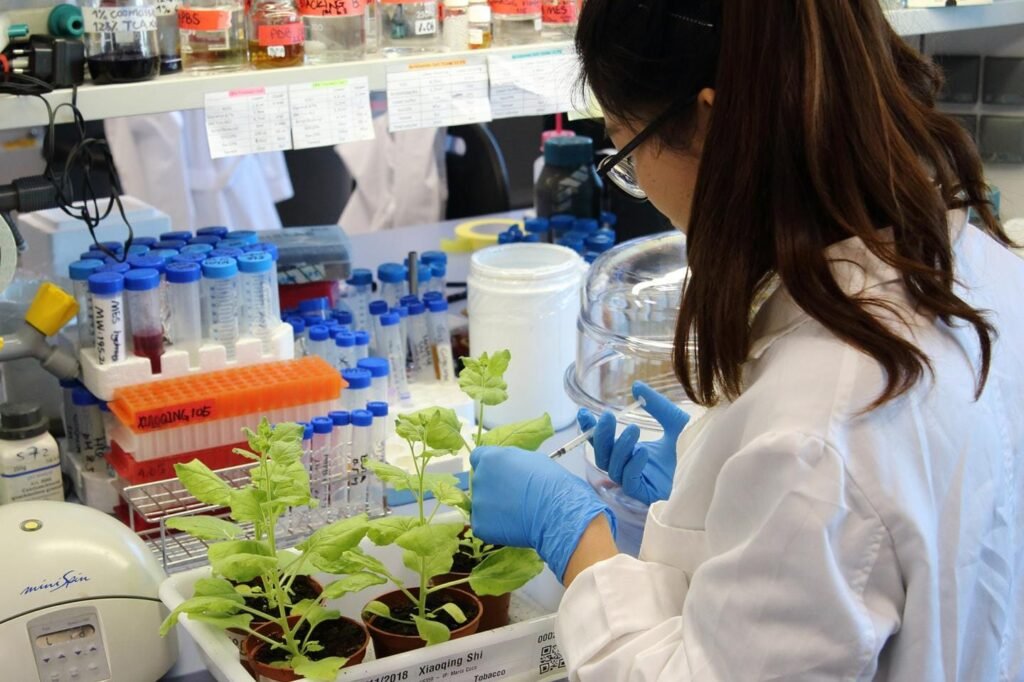
Scientists apply gene editing on Chinese kale
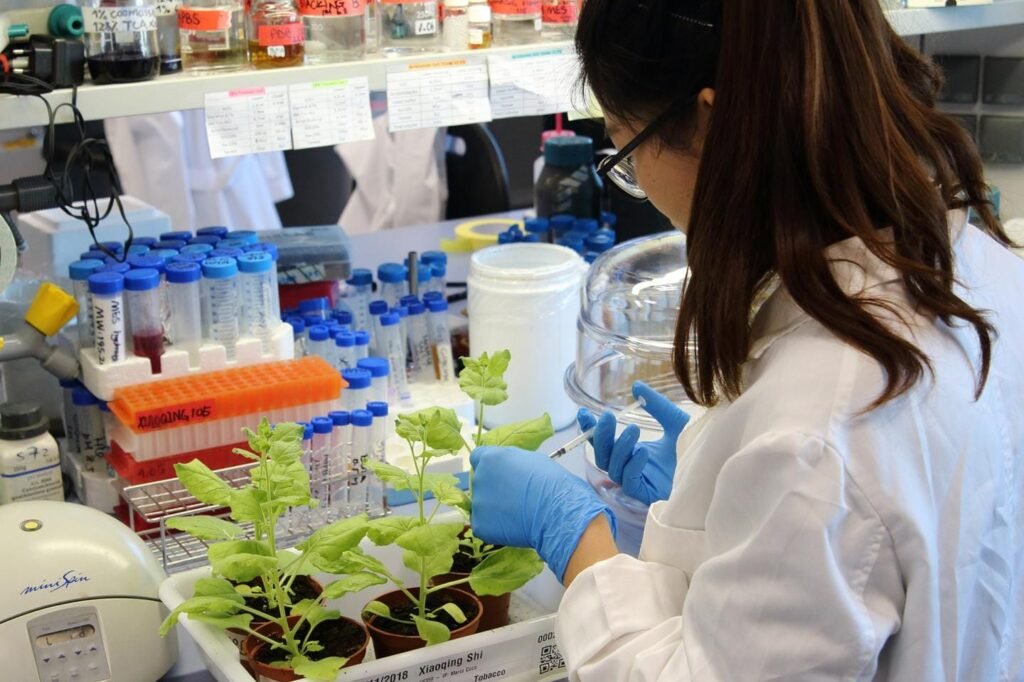
Reading Time: < 1 minuteBRASSICA vegetables are economically important vegetables with high nutritional value. CRISPR-Cas9-mediated gene editing has been demonstrated in several crops but not in Brassica vegetables. For the first time, researcher Haoru Tang from Sichuan Agricultural University in China and colleagues demonstrate the applicability of CRISPR-Cas9 in editing genes in Chinese kale, a Brassica vegetable that has […]
UPM scientists test radiation detector sample at the international space station

Reading Time: 2 minutesBY KHAIRUL ANUAR MUHAMAD NOH TSUKUBA: A radiation detector which uses intelligent optical fibres developed by three scientists from Universiti Putra Malaysia (UPM) will be sent for testing at the International Space Station (ISS) by Japan Space Exploration Agency (JAXA) soon. JAXA will deliver UPM’s radiation detector to the United States next month so that […]
Beating cancer with our immune system
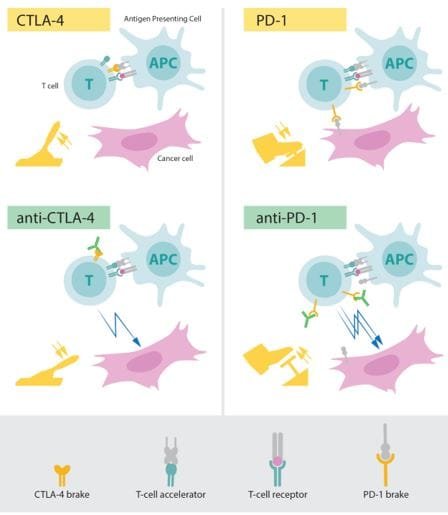
Reading Time: 6 minutesThe 2018 Nobel Prize Laureates for Medicine, Prof Tasuku Honjo at the University of Kyoto and Prof James Allison at Texas MD Anderson Cancer Centre were recognised for their contribution in using antibodies to unlock our immune system’s hidden potential. Their work has led to the development of “Checkpoint Inhibitor Therapies”. With accurate understanding of […]