
Plastic gets a do-over
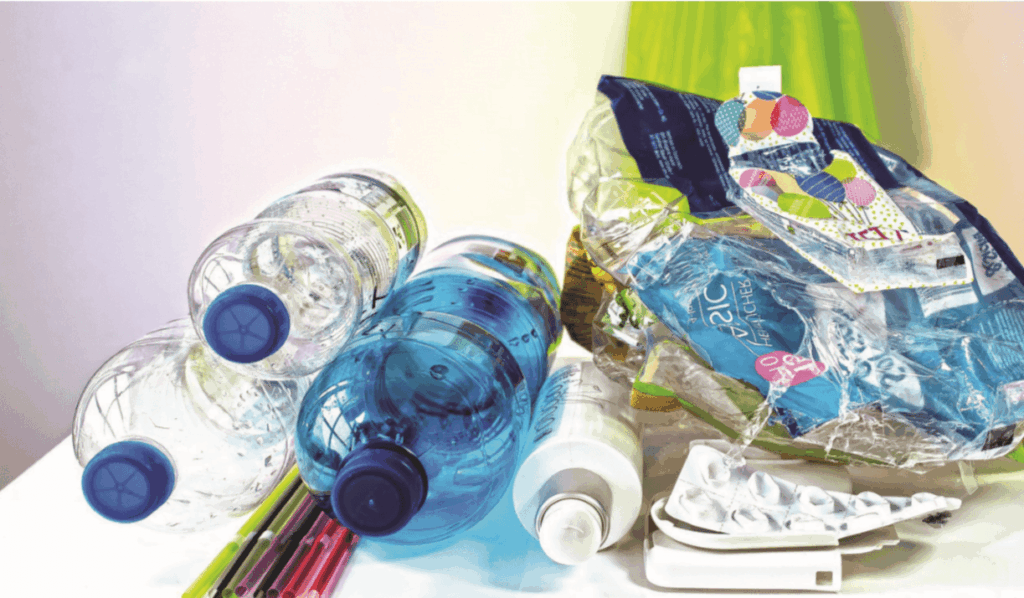
Reading Time: 4 minutesA TEAM of researchers at the U.S. Department of Energy’s (DOE) Lawrence Berkeley National Laboratory (Berkeley Lab) has designed a recyclable plastic that, like a Lego playset, can be disassembled into its constituent parts at the molecular level, and then reassembled into a different shape, texture, and color again and again without loss of performance […]
Innovative outdoor water filter to detect chemical pollution in water
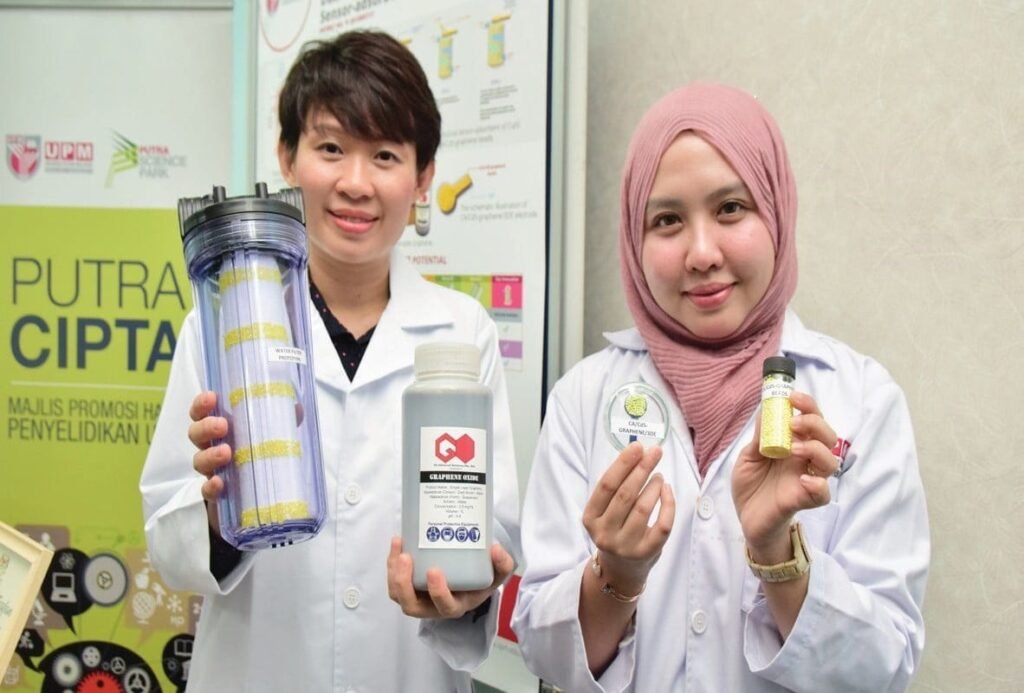
Reading Time: 2 minutesBy Azman Zakaria SERDANG: Outdoor Water Filter with SMART BEADS, an innovation from Universiti Putra Malaysia (UPM) researchers, is able to remove heavy metal or copper in pipe water to avoid harmful effects on human health as a result of excess copper ion in drinking water. The dual-function water filtration system is able to monitor […]
Turning fish waste into bioplastics

Reading Time: 2 minutesWHILE most of us know that fish contains a high protein content, it is however difficult to imagine that protein in fish waste could be a “starter fodder” to produce bioplastics. The idea of deriving plastics from fish protein first begins with unravelling the protein’s structure. Dr Ku Marsilla Ku Ishak, a lecturer from Polymer […]
Could climate change make Siberia habitable?

Reading Time: 3 minutesA STUDY team from the Krasnoyarsk Federal Research Center, Russia, and the National Institute of Aerospace, USA, used current and predicted climate scenarios to examine the climate comfort of Asian Russia and work out the potential for human settlement throughout the 21st century. They published their results in Environmental Research Letters. At 13 million square […]
Report: Nature in dangerous decline

Reading Time: < 1 minuteNATURE is coordinator declining globally at rates unprecedented in human history – and the rate of species extinction is accelerating, with grave impacts on people around the world now likely, warns a landmark new report from the Intergovernmental Science-Policy Platform on Biodiversity and Ecosystem Services (IPBES). The summary of this report was approved at the 7th session of the IPBES Plenary, held recently in Paris. “The overwhelming evidence of the IPBES Global […]
The Philippines yields new species of early human
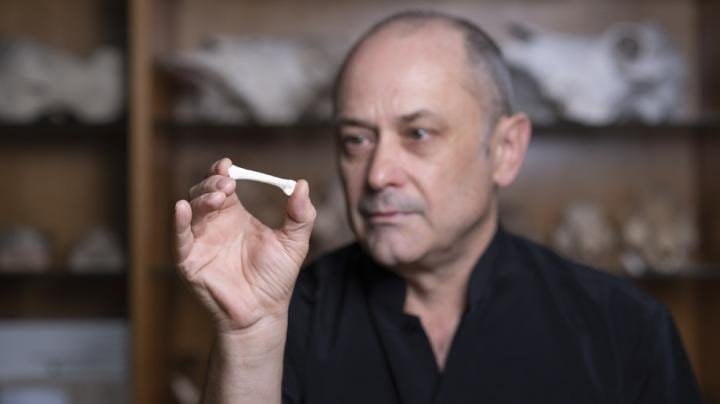
Reading Time: 2 minutesAN international team of researchers have uncovered the remains of a new species of human in the Philippines, proving the region played a key role in hominin evolutionary history. The new species, Homo luzonensis is named after Luzon Island, where the more than 50,000-year-old fossils were found during excavations at Callao Cave. Co-author and a lead member of the team, Professor Philip Piper […]
Tiny fibers create unseen plastic pollution
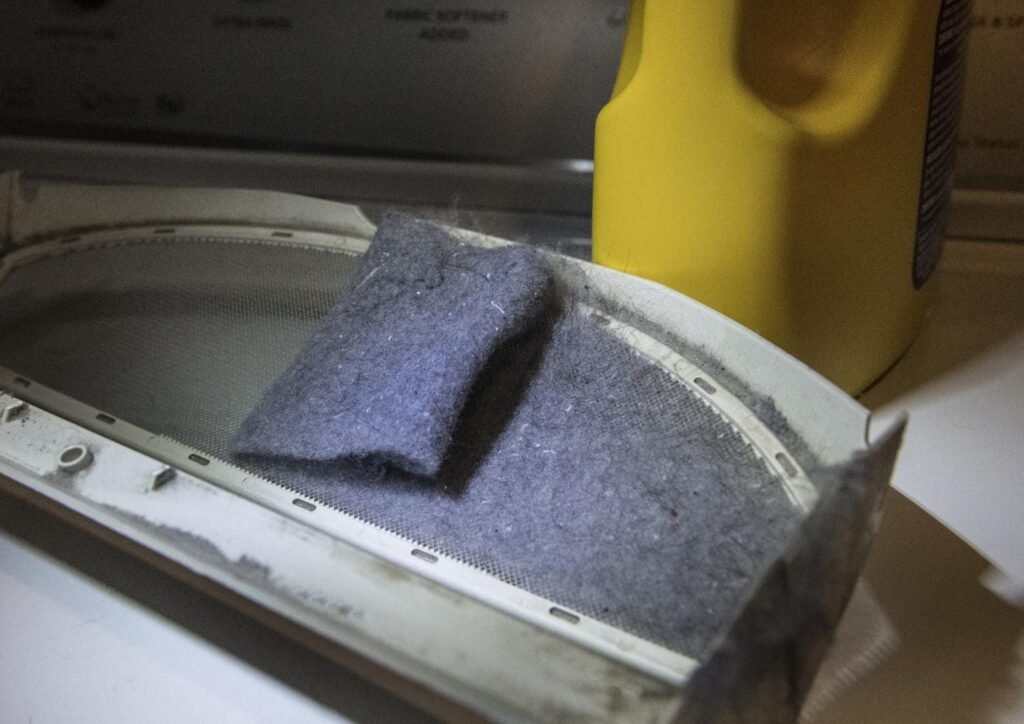
Reading Time: < 1 minuteWHILE the polyester leisure suit was a 1970s mistake, polyester and other synthetic fibers like nylon are still around and are a major contributor to the microplastics load in the environment, according to a Penn State materials scientist, who suggests switching to biosynthetic fibers to solve this problem. “These materials, during production, processing and after […]
Could climate change cause infertility?
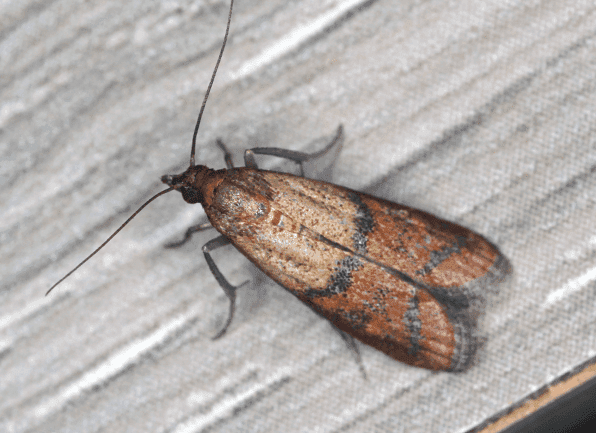
Reading Time: 2 minutesTHE scientific community has long held an understanding about the effect of temperature on sperm production in mammals, but this new study sheds light on how spermatogenesis in insects is hampered at extreme temperatures. In the new scientific paper, published in the Journal of Evolutionary Biology, and an academic letter recently published in Trends in […]
Marsupial lived among Arctic dinosaurs
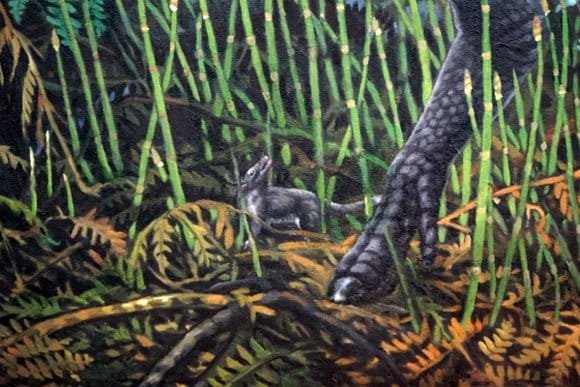
Reading Time: < 1 minuteA RESEARCH team has discovered a previously unknown species of marsupial that lived in Alaska’s Arctic during the era of dinosaurs, adding a vivid new detail to a complex ancient landscape.The thumb- sized animal, named Unnuakomys hutchisoni, lived in the Arctic about 69 million years ago during the late Cretaceous Period. Its discovery, led by […]
Global warming hits sea animals hardest
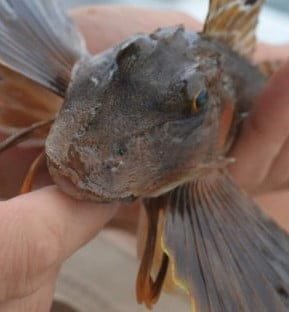
Reading Time: < 1 minuteGLOBAL WARMING has caused twice as many ocean-dwelling species as land-dwelling species to disappear from their habitats, a unique Rutgers-led study found. The greater vulnerability of sea creatures may significantly impact human communities that rely on fish and shellfish for food and economic activity, according to the study published in the journal Nature. The study is […]