
Novel biofuel system for hydrogen production from biomass
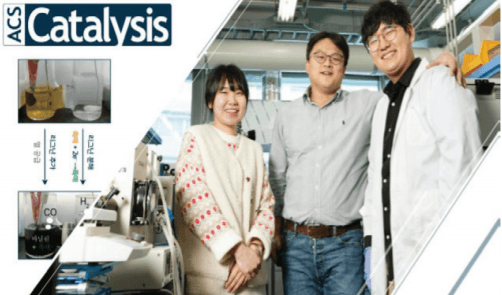
Reading Time: 2 minutesA NOVEL technology has been developed for hydrogen production from the process which involves electrons that are produced during the decomposition of biomass such as waste wood. The result produced after biomass decomposition is a high value-added compound, and it is a two-stone technology that improves the efficiency of hydrogen production. A research team, led […]
Singapore scientists engineered yeast to produce butanol

Reading Time: < 1 minuteSCIENTISTS from the National University of Singapore (NUS) have developed an efficient way to recycle food waste that the country produces. They have genetically engineered Yarrowia lipolytica to convert fats in food waste into butanol. In 2015, Singapore produced 785,500 tons of food waste in which only 13% was recycled. This prompted the NUS Synthetic […]
Alternative to coal can save water

Reading Time: 2 minutesTHE ongoing transition from coal to natural gas and renewables in the U.S. electricity sector is dramatically reducing the industry’s water use, a new Duke University study finds. “While most attention has been focused on the climate and air quality benefits of switching from coal, this new study shows that the transition to natural gas […]
From greenhouse gas to fuel

Reading Time: 2 minutesA GROWING number of scientists are looking for fast, cost-effective ways to convert carbon dioxide gas into valuable chemicals and fuels. Now, an international team of researchers has revealed a new approach that utilises a series of catalytic reactions to electrochemically reduce carbon dioxide to methane, the main ingredient in natural gas, eliminating an intermediate […]
Methane-consuming bacteria could be the future of fuel
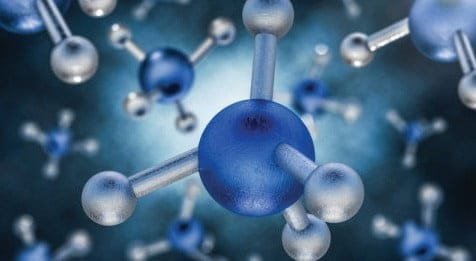
Reading Time: 2 minutesDiscovery illuminates how bacteria turn methane gas into liquid methanol. KNOWN for their ability to remove methane from the environment and convert it into a usable fuel, methanotrophic bacteria have long fascinated researchers. But how, exactly, these bacteria naturally perform such a complex reaction has been a mystery. Now an interdisciplinary team at Northwestern University […]
Fast method to convert algae to biocrude
Reading Time: < 1 minuteBIOFUEL experts have long sought a more economically-viable way to turn algae into biocrude oil to power vehicles, ships and even jets. University of Utah researchers believe they have found an answer. They have developed an unusually rapid method to deliver cost-effective algal biocrude in large quantities using a specially-designed jet mixer. A team of […]
Engineers develop fast method to convert algae to biocrude
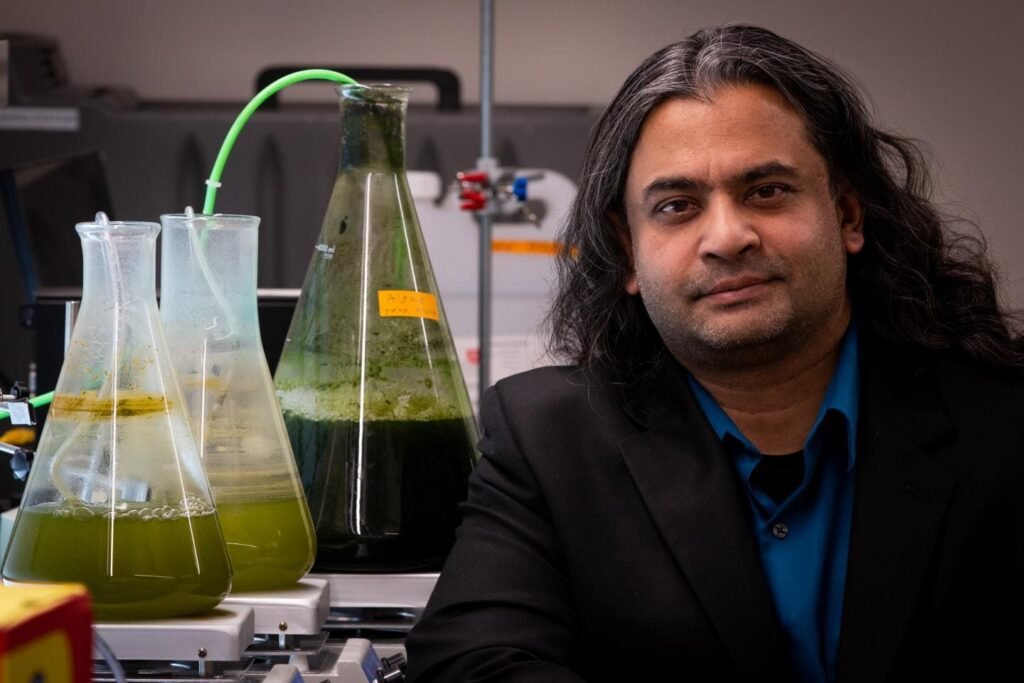
Reading Time: 2 minutesBIOFUEL experts have long sought a more economically-viable way to turn algae into biocrude oil to power vehicles, ships and even jets. University of Utah researchers believe they have found an answer. They have developed an unusually rapid method to deliver cost-effective algal biocrude in large quantities using a specially-designed jet mixer. Packed inside the […]
A lung-inspired design turns water into fuel
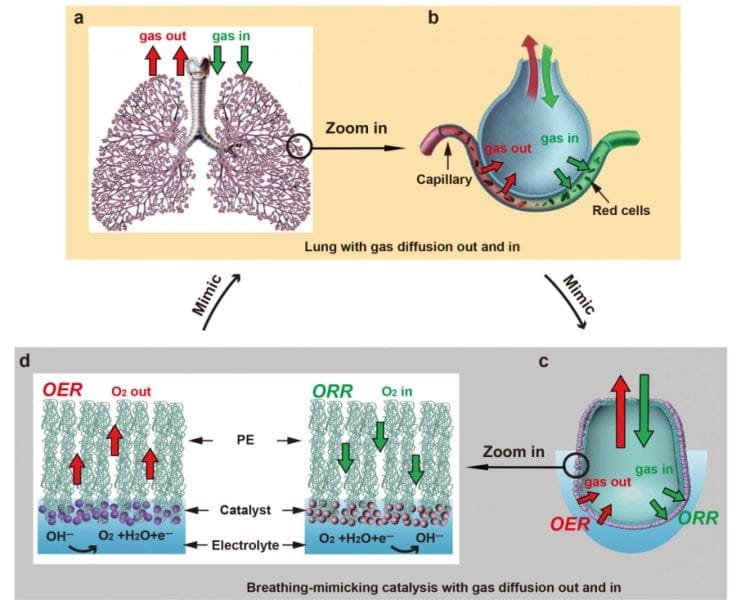
Reading Time: 2 minutesSCIENTISTS at Stanford University have designed an electrocatalytic mechanism that works like a mammalian lung to convert water into fuel. Their research, published December 20 in the journal Joule, could help existing clean energy technologies run more efficiently. The act of inhaling and exhaling is so automatic for most organisms that it could be mistaken […]
Biodiesel from wet biological waste
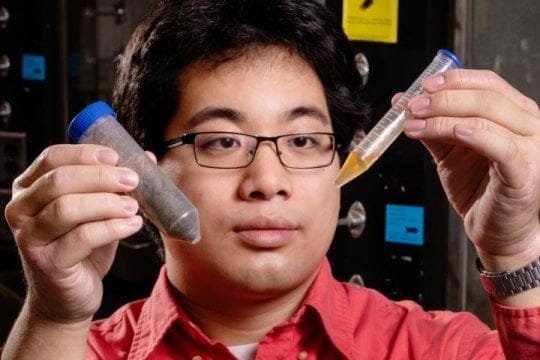
Reading Time: < 1 minuteIN a step toward producing renewable engine fuels that are compatible with existing diesel fuel infrastructure, researchers report they can convert wet biowaste, such as swine manure and food scraps, into a fuel that can be blended with diesel and that shares diesel’s combustion efficiency and emissions profile. The researchers report the findings in the […]
Protecting yeast from damage in biofuel production
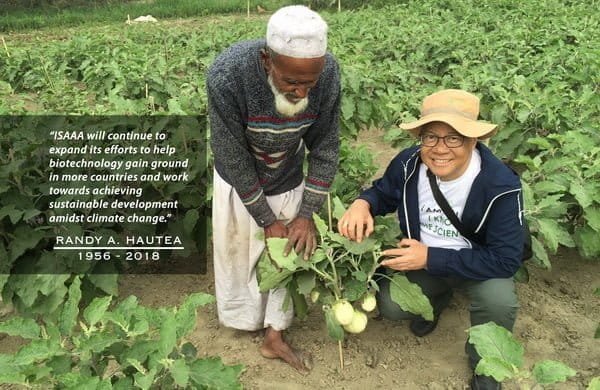
Reading Time: < 1 minuteSOME chemicals used to speed up the breakdown of plants for production of biofuels like ethanol are poisonous to the yeasts that turn the plant sugars into fuel. Researchers from the University of Wisconsin-Madison and several Department of Energy laboratories have identified two changes to a single gene that can make the yeast tolerate the […]