
Making Meat from Plants!
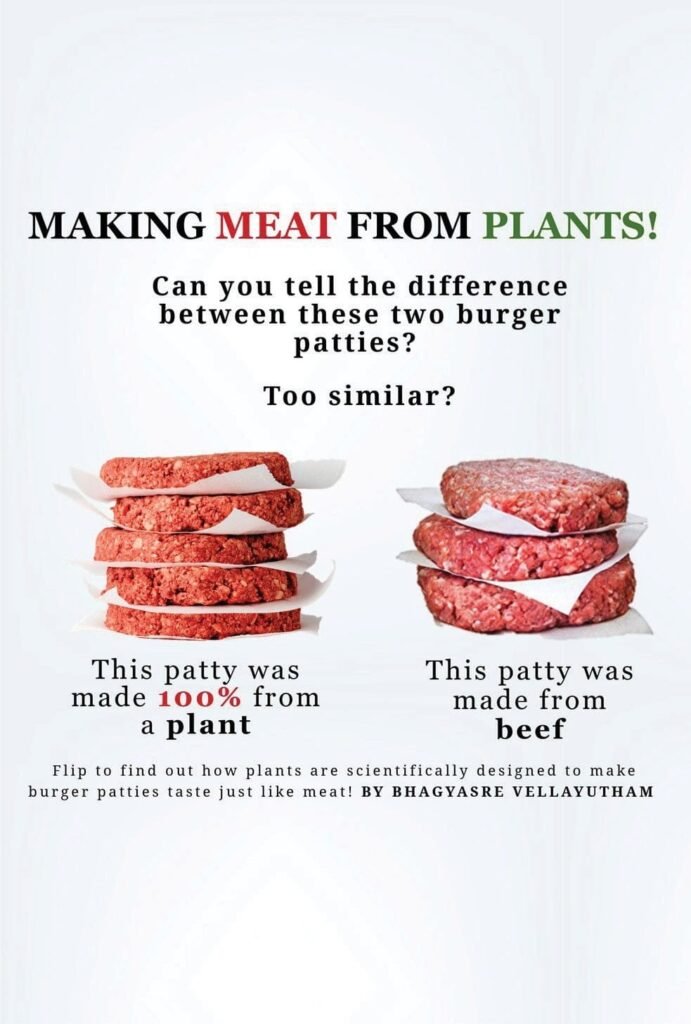
Reading Time: < 1 minute [ihc-hide-content ihc_mb_type=”show” ihc_mb_who=”2,3,5″ ihc_mb_template=”1″ ] [/ihc-hide-content]
Why do leaves change color in the fall?
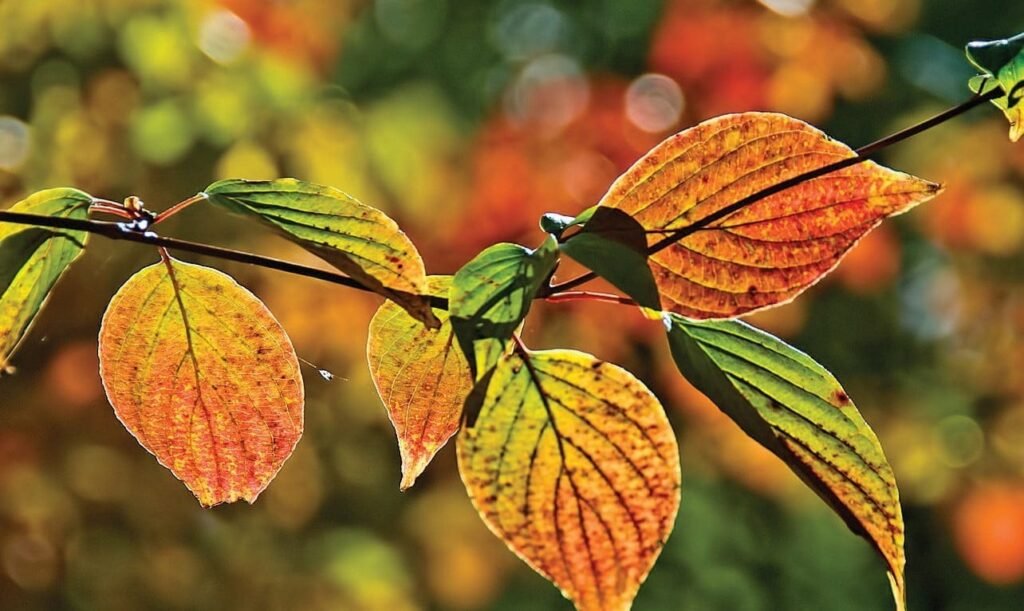
Reading Time: < 1 minuteDuring the summer, leaves serve as site to produce food necessary for the growth of the tree. This food-making process occurs in numerous cells (found in the leaves) which contain chlorophyll. Chlorophyll is a chemical which gives the leaves its green colour, by absorbing energy from sunlight to transform carbon dioxide and water into sugar’s […]
Who invented pipette?
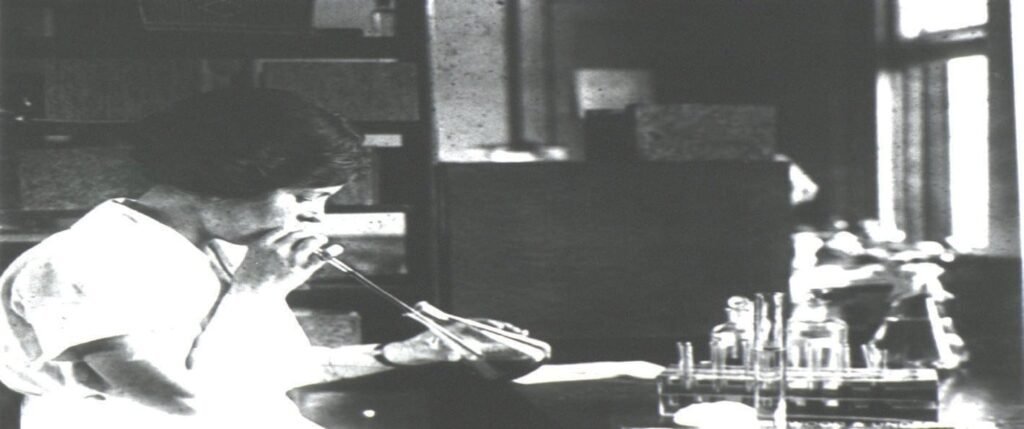
Reading Time: < 1 minuteA pipette is a laboratory tool commonly used in chemistry, biology and medicine to transfer a measured volume of liquid. During the early days, researchers pipette by mouth. Until there was a case reported that a physician accidentally sucked a culture of typhoid bacilli into his mouth during mouth pipetting. Yikes! Thanks to Heinrich Schnitger […]
How do messenger pigeons know where to deliver messages?
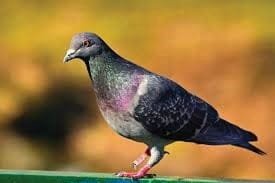
Reading Time: < 1 minuteBefore the telegraph, pigeons were used to carry messages. The pigeons are called homing pigeons. These pigeons are particularly good at remembering where they live, and finding their way even when they’ve been transported tremendous distances away from it. They do this due to their ability to detect and orient themselves based on magnetic fields. […]
Why do identical twins have different fingerprints?
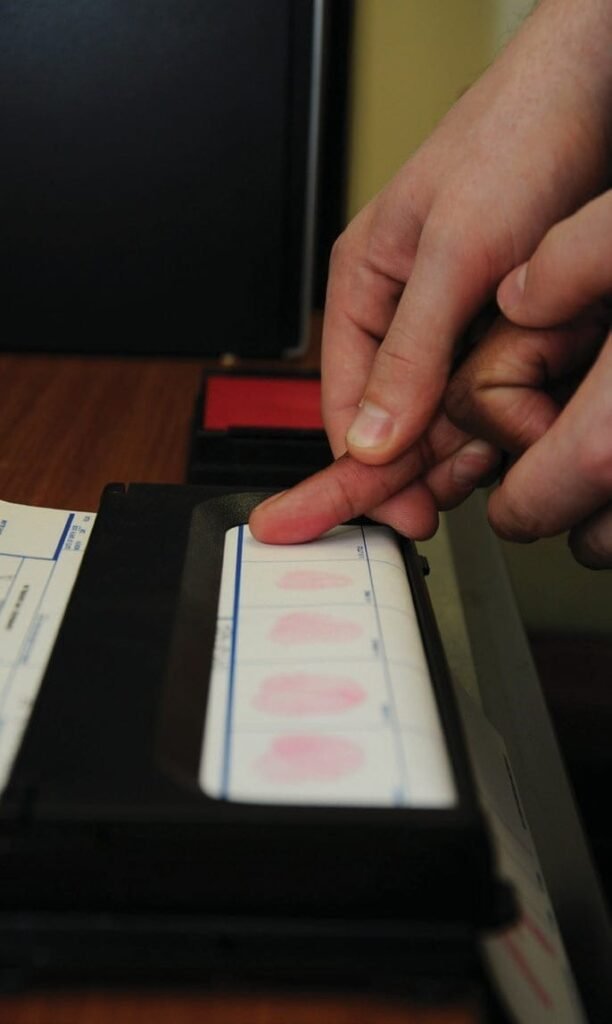
Reading Time: < 1 minuteIdentical twins share the same genetic makeup (DNA) because they are formed from a single zygote (fertilised egg). However, fingerprints are not an entirely genetic characteristic. They are determined by the interaction of genes in the developmental environment of the womb. Fingerprints are created in about the 13th to the 19th week of foetal development. […]