BIOACOUSTICS delves into how living organisms create, transmit, receive, and process sounds. It’s like decoding a universal language that animals use to communicate and navigate their world. Picture a journey unraveling the stories told through the sounds of diverse life forms, revealing the fascinating tapestry of the natural symphony.
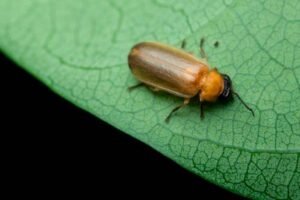
Researchers utilize bioacoustics to understand the communication systems and behavioral changes in various species, including whales, birds, frogs, and insects.
Bioacoustics in Nature
In the animal kingdom, diverse beings have artistically fashioned distinct alarm calls. These unique calls delicately resonate through the shared awareness of group or community members, subtly imparting the presence of potential threats.
In the social ballet of animals, sounds choreograph dominance and territory. This melodic dance minimizes conflicts and maintains order in their delicate social structure. Chimpanzees, with astute artistry, employ vocalizations to display their social hierarchy.

How is Bioacoustics Used?
Fossil fuel combustion elevates atmospheric CO2, causing ocean acidification through increased CO2 absorption by seawater. Projections suggest a 0.3-unit decrease in open ocean pH in the next century, resulting in a 40% reduction in low-frequency sound absorption, disrupting natural ocean frequencies. Cetacean communication is at risk due to anticipated changes in sound absorption, as they rely on frequency and sound for communication.
Did You Know?
Each cetacean has a unique signature whistle that it produces to communicate and identify itself. These high-pitched clicks (1-200kHz) can travel roughly 8,000 km across the ocean.