Stem cell research holds immense potential for advancing our understanding of human biology, developing new treatments for various diseases, and revolutionising regenerative medicine. Cell biologist and The Petri Dish science journalist Dr. Muganti Rajah gives the low down on mesenchymal stem cells – also known as medicine’s blank cheque, for their ability to be turned into multiple cell forms.
The human body is composed of tissues, which are made up of cells. These cells originate from stem cells, which have the unique ability to divide and produce daughter cells identical to the parent cell. These daughter cells then undergo differentiation, transforming into specific cell types based on the body’s needs. For instance, a stem cell may produce daughter cells that become red blood cells, neurons, or muscle fibers. There are several types of stem cells, including embryonic stem cells, induced pluripotent stem cells, tissue-specific stem cells, and mesenchymal stem cells.
Mesenchymal Stem Cells (MSCs) have emerged as a cornerstone in the realm of regenerative medicine, offering promising treatments for various medical conditions. Derived primarily from bone marrow, adipose tissue, and umbilical cord blood, MSCs possess the remarkable ability to differentiate into multiple cell types, including bone, cartilage, and fat cells. This versatility has positioned MSCs at the forefront of modern-day treatments, providing hope for conditions that were previously difficult to manage.
MSCs are distinguished by their ability to not only differentiate into diverse cell types but also modulate the immune system and promote tissue repair. This makes them particularly valuable in treating a range of ailments, including orthopedic injuries, autoimmune diseases, and cardiovascular conditions. Their anti-inflammatory properties further enhance their therapeutic appeal, allowing for more targeted and effective treatment protocols.
Primary MSCs vs Passaged MSCs
One of the critical distinctions in MSC-based therapies lies in the difference between primary MSCs and passaged MSCs. Primary MSCs are directly extracted from tissues such as bone marrow, adipose tissue, and umbilical cord blood and are used immediately without undergoing extensive culturing. This approach preserves the cells’ native characteristics, ensuring they maintain their inherent potency and efficacy. By avoiding the complexities and potential risks associated with in vitro expansion, primary MSCs present a more natural and potentially safer option for patients. The number of cells that can be collected using this method is 5-10% higher compared to what can be obtained from passaged cells.

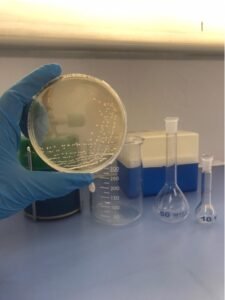
Passaged MSCs are expanded in a laboratory setting. They undergo multiple passages, or subculturing, to increase their numbers before being used in treatments. While this method allows for a higher yield of cells, it comes with certain drawbacks. The process of culturing MSCs can lead to changes in their characteristics, particularly as the passage number increases. Higher passage numbers are often associated with a decline in the cells’ regenerative capacity and changes in their phenotype and genetic stability. This is a significant concern for passaged MSC therapies, as it may affect the treatment’s overall effectiveness and safety.
In contrast, primary MSCs maintain their original properties, which is crucial for their effectiveness in regenerative medicine, tissue engineering, and other therapeutic applications. This approach also reduces the risk of contamination and genetic mutations that can occur during the culturing process, ensuring a higher quality and more reliable cell product for clinical applications.
Applications and Benefits of Primary MSCs
Primary MSCs are gaining traction in the medical community for their immediate application and preserved biological integrity. These cells are increasingly being used to treat a variety of conditions, including:
- Orthopedic Injuries: Primary MSCs are employed in the treatment of bone fractures, ligament tears, and cartilage damage. Their ability to differentiate into bone and cartilage cells facilitates faster and more effective healing.
- Autoimmune Diseases: Conditions such as rheumatoid arthritis and lupus benefit from the immunomodulatory effects of primary MSCs, which help to reduce inflammation and modulate the immune response.
- Cardiovascular Conditions: MSCs are being explored for their potential to repair damaged heart tissue following myocardial infarction, thanks to their regenerative properties and ability to promote angiogenesis (the formation of new blood vessels).
- Neurological Disorders: Emerging studies suggest that MSCs have the potential to treat neurodegenerative diseases like Parkinson’s and multiple sclerosis by supporting neural repair and reducing inflammation.
MSCs in Cosmetics
MSCs have been recognized for their therapeutic potential in skin regeneration and rejuvenation. They promote cell proliferation, neovascularization, and reduce inflammation in skin injuries. In skin rejuvenation, they stimulate collagen and elastic fiber production, and protect against UV-induced aging. MSC-based skin treatments attract attention due to their ability to enhance skin texture, radiance, and overall health.
Safety Concerns and Ethical Considerations
The media used to grow passaged MSCs often includes artificial components, raising questions about the long-term safety of these cells when used in treatments. The potential for unknown side effects from these artificial growth conditions is a key reason why primary MSCs have been introduced into the market. By using MSCs that have not been exposed to extensive in vitro manipulation, patients may benefit from a treatment that is closer to the natural state of the cells.
The Future of MSC Therapies
As research progresses, the focus on optimizing MSC-based therapies continues to grow. The introduction of primary MSCs represents a significant advancement, offering a more natural and potentially safer alternative to traditional passaged MSC treatments. However, it is essential to continue evaluating the long-term safety and efficacy of both primary and passaged MSCs to fully harness their therapeutic potential.
Mesenchymal stem cells stand at the vanguard of regenerative medicine, providing innovative solutions for a range of medical conditions. The distinction between primary and passaged MSCs highlights the importance of preserving cell integrity and safety in therapeutic applications. As the field evolves, MSCs are poised to revolutionize treatment paradigms, offering renewed hope and improved outcomes for patients worldwide.