Dr Jane Gew Lai Ti, an Associate Professor at Sunway University, stands as a beacon of environmental stewardship and sustainability.
Her unwavering dedication to mitigating plastic pollution and promoting eco-friendly practices stems from a transformative anecdote she shared, reflecting a profound shift in her personal and professional ethos.
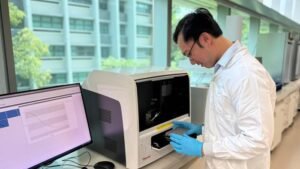
In 2018, Dr Gew embarked on a research project analysing edible salt samples in Malaysia. What she uncovered was alarming – microplastics were pervasive in salt, a ubiquitous ingredient in our daily diets.
“This revelation was a wake-up call for me. It ignited in me a passion for combating plastic pollution and pushed me into fostering a more sustainable lifestyle,” she told The Petri Dish.
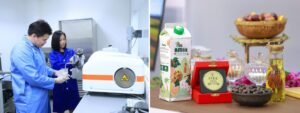
Central to Gew’s research endeavors is the concept of waste valorization – the conversion of byproducts into value-added products. Gew’s innovative approach transforms glycerol into multifunctional substances, including anti-obesity oil and extraction media for bioactive compounds.
She said: “This initiative not only addresses waste management challenges but also harnesses the potential of renewable resources for therapeutic applications.”
Another groundbreaking initiative is her research to develop sustainable sunscreen formulations. According to her: “Traditional sunscreens often contain harmful chemicals like zinc oxide and titanium dioxide, which pose environmental risks and health concerns. My research endeavors seek to address these issues by harnessing natural ingredients like Tanaka extract, an ancient UV protection compound derived from the Tanaka tree,” she explained.
Her research in this area explores the transformative potential of Tanaka extract in sunscreen formulations.
“By removing the yellow pigment and refining Tanaka extract into a lotion, I managed to formulate eco-friendly alternatives for use in conventional sunscreens. These formulations provide not only effective UV protection but also minimise environmental impact, offering a sustainable solution to a pressing public health issue,” said Gew.
Gew’s commitment to sustainability extends beyond her research endeavors, as she actively spearheads and supervises a multitude of community-based projects. Collaborating with colleagues across various departments, including the psychology department at Sunway University, Gew has been exploring the intricate interplay between recycling practices and human psychology.
By delving into the underlying factors influencing individual behaviors towards sustainability, her interdisciplinary approach sheds light on novel strategies to promote environmental consciousness and encourage widespread adoption of eco-friendly practices.
Gew’s advocacy extends beyond academia, as she also leads by example, embracing an eco-friendly lifestyle characterised by reusable mugs and food containers. This personal journey underscores Dr. Gew’s commitment to effecting tangible change at both an individual and societal level.
In response to the pervasive threat of plastic pollution, Gew also founded MyPlasticology—a community-driven initiative dedicated to raising awareness and instigating behavioral change. Amidst the COVID-19 pandemic, MyPlasticology emerged as a catalyst for community engagement, offering workshops and educational modules to empower individuals to reduce their plastic footprint.
Despite the challenges of measuring impact and fostering behavior change, Gew remains steadfast in her commitment to effecting positive environmental outcomes. As she continues to advocate for sustainability, she envisions a future where refuse and reduction form the cornerstone of waste management practices.
Her advocacy extends to government policies, advocating for measures that prioritise waste reduction over recycling. Through collaboration, education, and individual empowerment, she seeks to create a paradigm shift toward a more sustainable and resilient society.