BY JOTISRI VASUDEVAN
JOHOR BARU: The Malaysian Biotechnology Information Centre (MABIC), teamed up with Medhini Group – a leading consulting firm that specialises in building facilities and plants for the high-tech industry to host a one-day “Forum on Alternative Proteins for Food and Feed”, hosted in Johor Baru recently.
Bringing together a diverse assembly of industry experts, policymakers, and influential stakeholders, the forum delved into discussions about the transformative potential of alternative protein sources in addressing global food and sustainability challenges.
The forum commenced with insightful sessions, one of which illuminated the impact of cultivated meat on Malaysia, by the Director of Cell AgriTech, Jason Ng Chin Aik.
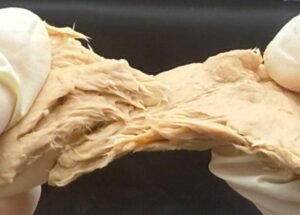
“Cultivated meat is produced by taking a tissue sample from a live animal and growing it in a bioreactor. It’s left to grow and is then harvested.”

“This process not only avoids animal welfare and cruelty issues but also aligns with biotech principles,” Jason elucidated the process.
“This is not about replacing real meat, but providing a complementary alternative,” he continued, emphasising the environmental and health benefits of this innovative approach in Malaysia.
This aligns with growing environmental consciousness, as cultivating meat can lead to fewer resources used and lower greenhouse gas emissions compared to conventional livestock farming for real meat production.
According to Jason, there is a huge market in Malaysia as there can be new opportunities for the science fields through this kind of food revolutionisation.
Nick Piggot, the President of the Asian Food and Feed Insect Association (AFFIA), contributed to a discussion on the complex regulatory landscape surrounding alternative protein products.
He stated: “Due to pressure from producers to meet consumer demands, regulators respond quickly, but the risk is that the regulations are made too soon without being ready for the final product.”
“This can be encountered by synchronised progress of producers and regulators to ensure timely and effective regulation when products are ready for market.”
“Investors for alternative protein are high, but concerns persist if regulators don’t grant approval for the product,” said Nick.
This resonates with the challenges faced by cultivated meat, where ensuring regulatory approval is essential to gaining consumer trust and market acceptance.
Edey Suresh, Director of UN Global Compact Network Malaysia & Brunei, addressed the urgency to act and the broader impact of food systems on sustainability.
He highlighted that it is pivotal to address livestock-related methane emissions as 25% of greenhouse gas emissions stem from the food industry.
“Plant-based alternative proteins hold the potential to reduce the impact, the greenhouse emissions,” said Edey, underscoring the significance of informed consumer choices and holistic sustainability measures.
He mentioned that responsible consumers who understand the consequences of their dietary choices are essential, linking the need for eco-friendly alternatives like cultivated meat to mitigate climate challenges.
A panel discussion themed “Regulations, Ethics, Religions, and Public Acceptance,” facilitated a robust exchange of ideas among experts, moderated by Ts. Dr Mahaletchumy Arujanan.
Prof Paul Teng, MD and Dean of NIE International Pte. Ltd, Nanyang Technological University, and Senior Fellow in Food Security emphasised the pivotal role of regulatory frameworks and stated that policy support is paramount and that without it, progress stalls.
“People are hesitant, especially the regulators. A strong policy statement such as alternative protein needs to be put in place,” he said.
Dr Muhammad Naqib Hamdan, Senior Lecturer at Universiti Teknologi Malaysia (UTM), tackled the complex halal perspective on cultivated meat.
He noted that halal certification for cultivated meat requires a comprehensive understanding of the process, spanning before, during, and after production. Addressing philosophical concerns is as important as adhering to established halal standards.
Joel William, Founder & CEO of Medhini Group, underscored the necessity for standardised guidelines in the feed industry.
He drew a comparison, stating, “When it comes to the feed industry, Malaysia does not really have an established standard as compared to the European market. The European market already has a standard called GMP+ which is a lot more stringent.”
Joel asserted that Malaysia’s feed standards must evolve to ensure safe and sustainable practices.
According to Jason, comprehensive guidance documents are pivotal to navigating the challenges of introducing cultivated meat.
“We need to start from the policy. If the policy is available, we will be more confident in our product,” he said.
Policy-driven support is crucial to building public trust and encouraging acceptance of this innovative protein source, he held the view.
Overall, the panel discussion illuminated that collaborative efforts, robust policies, and science-based awareness campaigns are pivotal to paving the way for sustainable alternative protein solutions.
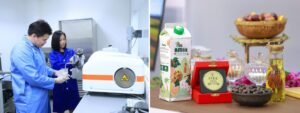
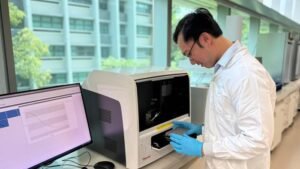
The forum culminated with an exclusive site visit organised by Medhini Group to Nutrition Technologies, a biotech company.
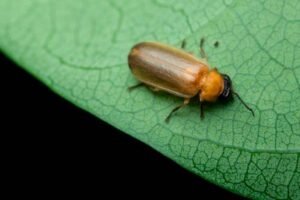
They manufacture protein, oil, and organic fertiliser from Black Soldier Fly Larvae—a true circular economy champion.
This fly epitomises sustainability by transforming waste into valuable resources.
Nutrition Technologies employs a pioneering approach in its operations by utilising a combination of beneficial microbes and Black Soldier Fly Larvae in a “zero-waste production model.”
This model allows them to grow insects using clean and traceable agro-industrial by-products.
Their own developed tropical production system, is not only cost-effective to build and operate but also remarkably energy-efficient, embodying a zero-waste process.
At best, the joint effort between MABIC and Medhini Group serves as a testament to the power of collaboration in driving innovation, knowledge dissemination, and the pursuit of sustainable solutions—particularly in the realm of cultivated meat—in a world that is in a constant state of evolution.