
Anti-arthritis med stops growth of TB bug

Reading Time: 2 minutesIMMUNOLOGIST Johan Van Weyenbergh (KU Leuven) and his Belgian-Brazilian colleagues have shown that a drug used to fight arthritis also stops the process that allows the tuberculosis bacillus to infect and hijack blood stem cells. Tuberculosis (TB) may affect any part of the body, but the spread [ihc-hide-content ihc_mb_type=”show” ihc_mb_who=”2,3″ ihc_mb_template=”1″ ] of the disease […]
Antibiotic resistance: bacteria can change shape inside humans to avoid antibiotics
Reading Time: 4 minutesWIDESPREAD antibiotic use is largely to blame for the emergence of antibiotic resistant bacteria, which is currently one of the biggest threats to global health. Not only does antibiotic resistance already cause an estimated 700,000 deaths a year, it’s also made numerous infections, including pneumonia, tuberculosis, and gonorrhoea, harder to treat. Without knowing how to […]
Scientists highlight responsible advancement, safe use of synthetic biology

Reading Time: 2 minutesA TEAM of scientists published a policy forum article on the technological challenges of milestones when writing about genomes. The article focuses on identifying what technological advances are needed to secure the continuously changing field of synthetic biology. The authors also highlighted the need to keep its implementation safe and responsible. The 21 scientists from […]
Secrets to insect adaption to climate change discovered in moth
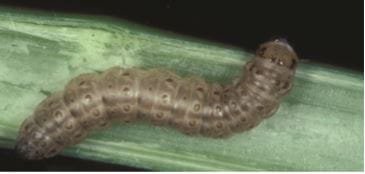
Reading Time: 3 minutesA TEAM of biologists led by Tufts University has found two genes that may permit some insect species to survive climate change by adjusting their biological annual clocks while others succumb. The ability to synchronise behavioral, morphological and other transitions with the seasons is integral to the life cycle of most insects. In the study […]
Genetically engineered species occur naturally
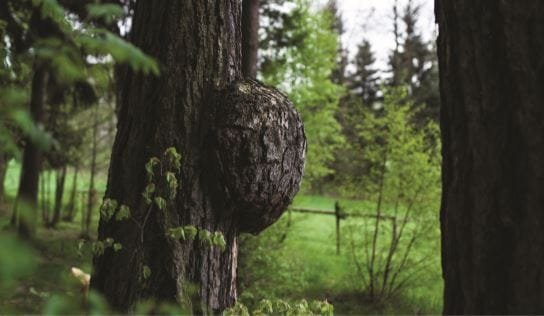
Reading Time: < 1 minuteHORIZONTAL gene transfer caused by Agrobacterium was found to occur in 39 dicot species. These findings prove that transgenic plants occur in nature on unexpectedly large scale. The results are published in Plant Molecular Biology. Agrobacterium-mediated gene transfer cause formation of crown galls or hairy roots, due to the expression of transfer DNA (T-DNA) genes. […]
First Argentine GM potato to be released in 2020

Reading Time: < 1 minuteAFTER being de-regulated during August 2018, the National Council of Technical and Scientific Research (CONICET) started last week the formal process to register the first transgenic potato cultivar in Argentina in the National Seed Institute’s register. In partnership with biotechnological company Sidus, the CONICET developed a potato with resistance to the virus Y, called SPT […]
GE increases availability of organic seeds

Reading Time: < 1 minuteMORDOR INTELLIGENCE reports that the global market for organic seeds was valued at USD 1,651.5 million in 2018 and is projected to reach a compound annual growth rate of 12.7% from 2019-2014. Polaris Market Research predicts that the global organic seed market will reach USD 5.35 billion by 2026. The increased availability of improved hybrid […]
FDA nod for ultra low gossypol cotton for consumption
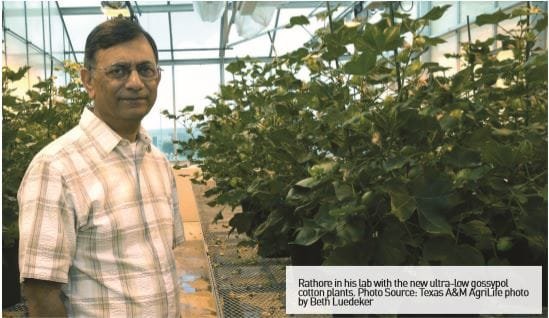
Reading Time: < 1 minuteTHE US Food and Drug Administration (FDA) has approved an ultralow gossypol cottonseed, ULGCS, to be utilised as human food and animal feed. ULGCS is derived from a transgenic cotton variety TAM66274 developed by plant biotechnologist Keerti Rathore and his team at Texas A&M AgriLife Research. TAM66274 is a unique cotton plant with ultra-low gossypol […]
New way to develop drought-resilient crops
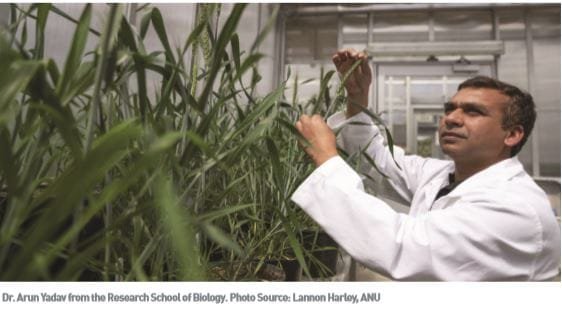
Reading Time: 2 minutesAUSTRALIAN research could help breeders develop more drought-resilient crops that can produce more food and more profit with less water. Drought tolerance is critically important in the face of climate change, population growth and land-use pressures. Scientists from The Australian National University (ANU), ARC Centre of Excellence in Plant Energy Biology, and CSIRO Agriculture and […]
Arthropods formed orderly lines 480 million years ago
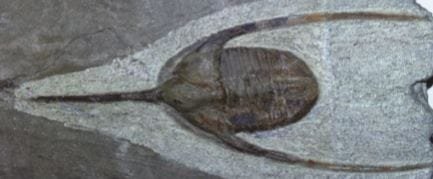
Reading Time: < 1 minuteRESEARCHERS studied fossilised Moroccan Ampyx trilobites , which lived 480 million years ago and showed that the trilobites had probably been buried in their positions — all oriented in the same direction. Scientists deduced that these Ampyx processions may illustrate a kind of collective behavior adopted in response to cyclic environmental disturbances. Though our understanding […]