
Extreme heat, and maybe a virus wiped out Cambodian bats
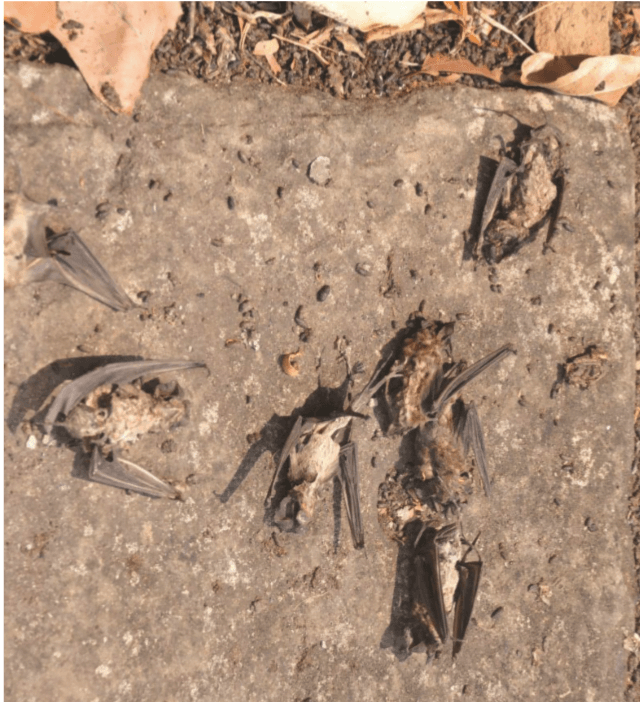
Reading Time: < 1 minuteA MASS mortality event involving two bat species, the wrinkle-lipped free-tailed bat (Chaerephon plicatus) and Theobold’s bat (Taphozous theobaldi) occurred during a heat wave in April 2016 in Cambodia. Field evidences, clinical signs, and gross pathology findings were consistent with a heat stress hypothesis, but the detection of a novel bat paramyxovirus raises questions about […]
MICROCYSTIN TOXINS REMOVAL FROM WATER…
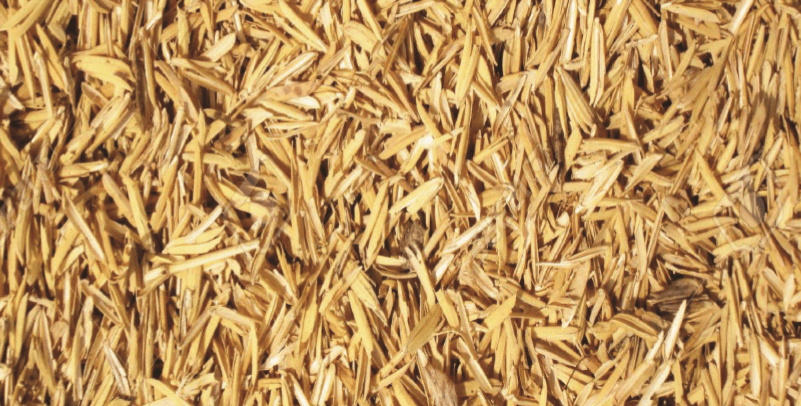
Reading Time: < 1 minuteScientists at The University of Toledo have discovered that rice husks can effectively remove microcystin from water, a finding that could have far-reaching implications for communities along the Great Lakes and across the developing world. An abundant and inexpensive agricultural byproduct, rice husks have been investigated as a water purification solution in the past. However, […]
How old are your organs?
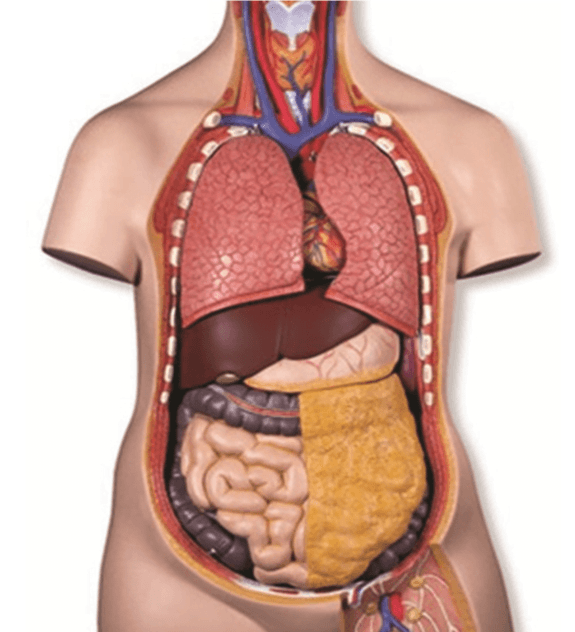
Reading Time: 3 minutesSCIENTISTS once thought that neurons, or possibly heart cells, were the oldest cells in the body. Now, Salk Institute researchers have discovered that the mouse brain, liver and pancreas contain populations of cells and proteins with extremely long lifespans — some as old as neurons. The findings, demonstrating “age mosaicism,” were published in Cell Metabolism […]
Scientists identifies molecular aging ‘midlife crisis’

Reading Time: < 1 minuteJUST as a computer requires code to work, our bodies are regulated by molecular “programmes” that are written early in life and then have to do their job properly for a lifetime. But do they? It’s a question that has intrigued researchers for years. Claes Wahlestedt, professor of psychiatry and behavioral sciences and associate dean […]
Creating human pigment cells precursors

Reading Time: < 1 minuteSCIENTISTS have used stem cell technology to successfully create melanocyte precursor cells. These cells can be used in research on melanoma and other pigment cell-related illnesses. The findings were published on March 6 in the online edition of Pigment Cell & Melanoma Research.
SURPRISING ENZYME…
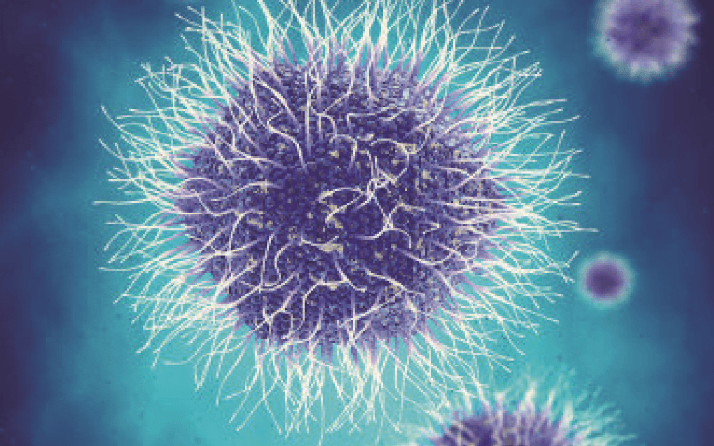
Reading Time: < 1 minuteA new study led by researchers at Woods Hole Oceanographic Institution (WHOI) and Swansea University Medical School furthers our knowledge of viruses — in the sea and on land — and their potential to cause life-threatening illnesses. Their findings, which examine newly-identified genes carried by mysterious “giant” viruses, could represent potential new drug targets for […]
Growing small intestines

Reading Time: < 1 minuteBABIES born prematurely often face intense medical challenges, including intestines that are underdeveloped or diseased. While an intestine transplant can benefit some patients, many babies are simply too small to endure this procedure. Children’s Hospital Los Angeles surgeon Tracy Grikscheit, MD, is a leader in the field of tissue engineering — growing intestines from stem […]
Long-acting contraceptive

Reading Time: < 1 minuteA NEW long-acting contraceptive designed to be self-administered by women may provide a new family planning option, particularly in developing nations where access to healthcare can be limited, a recent study suggests. The contraceptive would be delivered using microneedle skin patch technology originally developed for the painless administration of vaccines.
Making Meat from Plants!
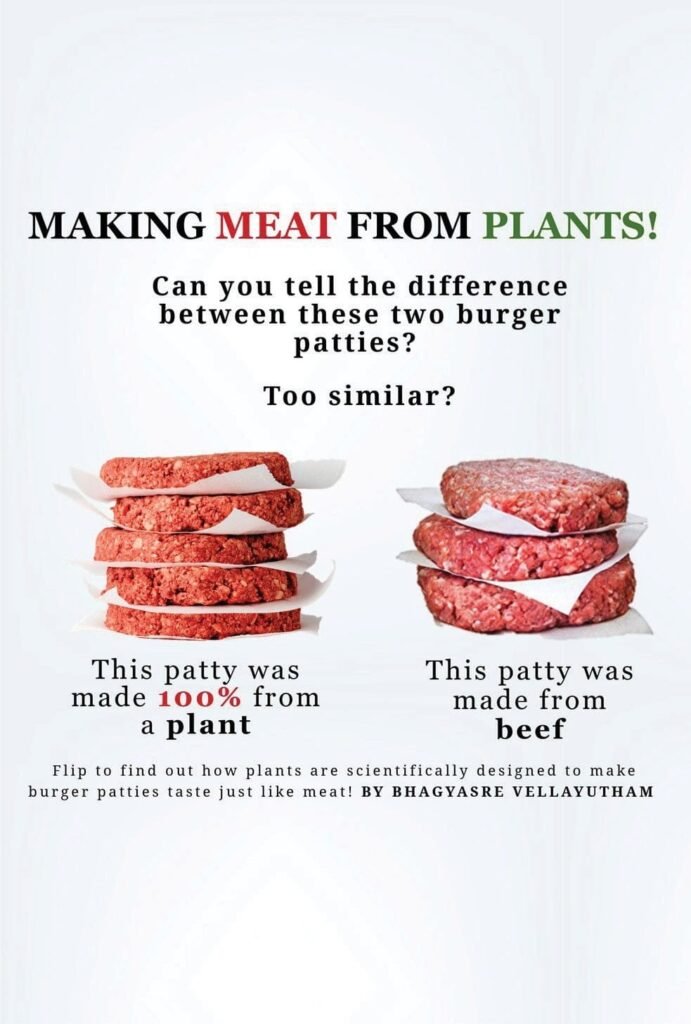
Reading Time: < 1 minute [ihc-hide-content ihc_mb_type=”show” ihc_mb_who=”2,3,5″ ihc_mb_template=”1″ ] [/ihc-hide-content]
Why do leaves change color in the fall?

Reading Time: < 1 minuteDuring the summer, leaves serve as site to produce food necessary for the growth of the tree. This food-making process occurs in numerous cells (found in the leaves) which contain chlorophyll. Chlorophyll is a chemical which gives the leaves its green colour, by absorbing energy from sunlight to transform carbon dioxide and water into sugar’s […]