
How to unboil an egg?
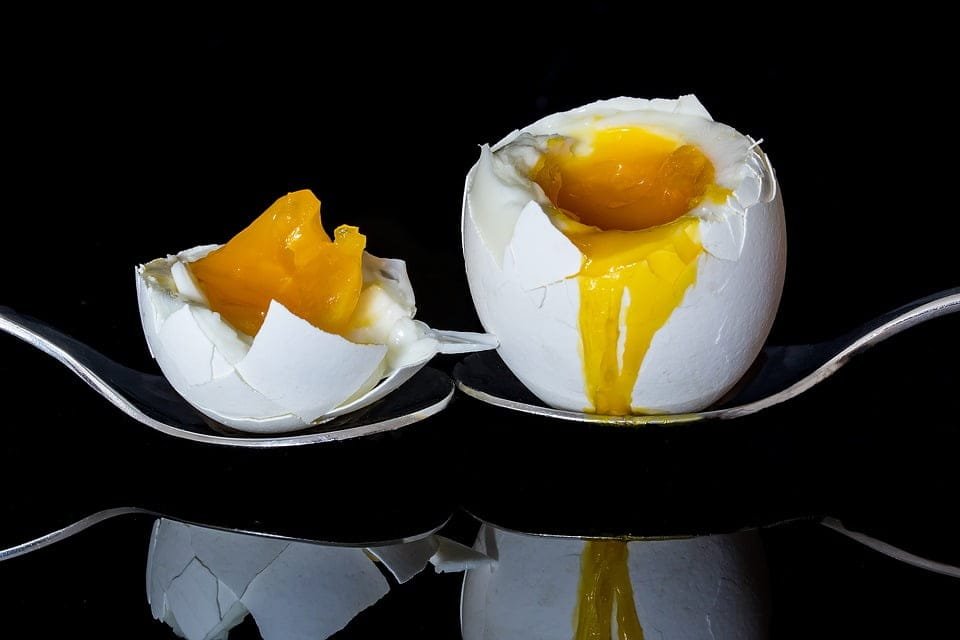
Reading Time: < 1 minuteThis may sound like a riddle, but thanks to chemistry it’s actually possible. When an egg is boiled, the albumen around the yolk turns white. That’s because the heat has caused the proteins within it to tangle up randomly. In 2015, a team of chemists in the US and Australia showed they could reverse the process. They added urea […]
How do fireworks work?

Reading Time: < 1 minuteOn the Dec 31 every year, people around the world will gather to celebrate New Year’s Eve and enjoy the dazzling, shimmering and glittering fireworks display in the sky. Fireworks teach us some interesting physics and chemistry, so let’s explore how they work. An exploding firework is essentially a number of chemical reactions happening simultaneously or in rapid sequence. When you add some heat, you provide enough activation […]
How is a sponge able to hold so much water?
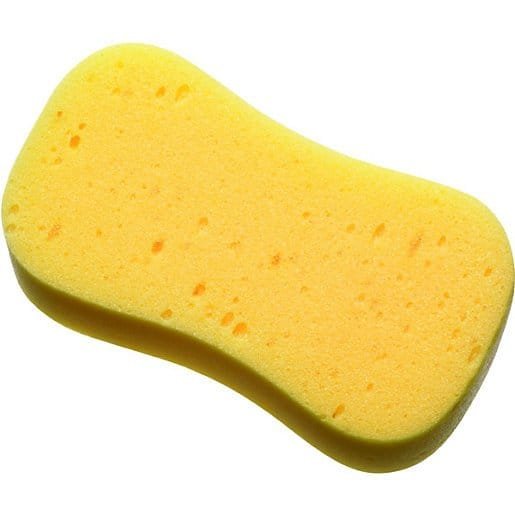
Reading Time: < 1 minuteNatural sponges are simple marine animals that don’t have any organs. Instead, they rely on their huge surface area to absorb oxygen and nutrients and to get rid of waste products. The flexible skeleton of these sponges (or the plastic equivalent in a synthetic sponge) holds water because the complex labyrinth of dead ends and narrow channels slow the water as it tries to drain away. Squeezing […]